Photographing Spring in Northumberland
Spring is easily my favourite season. After the dark, bleak months of winter, the landscape begins to stir back to life. Woodland floors are carpeted with wildflowers, newborn lambs, calves and chicks roam the fields, blossom fills the trees, and on clear nights the Milky Way stretches brightly across the sky.
Over the past few years, I’ve made a habit of heading out with my camera to capture this fleeting, beautiful time of year. Below is a selection of locations that truly come alive between March and May here in Northumberland.
Hexham
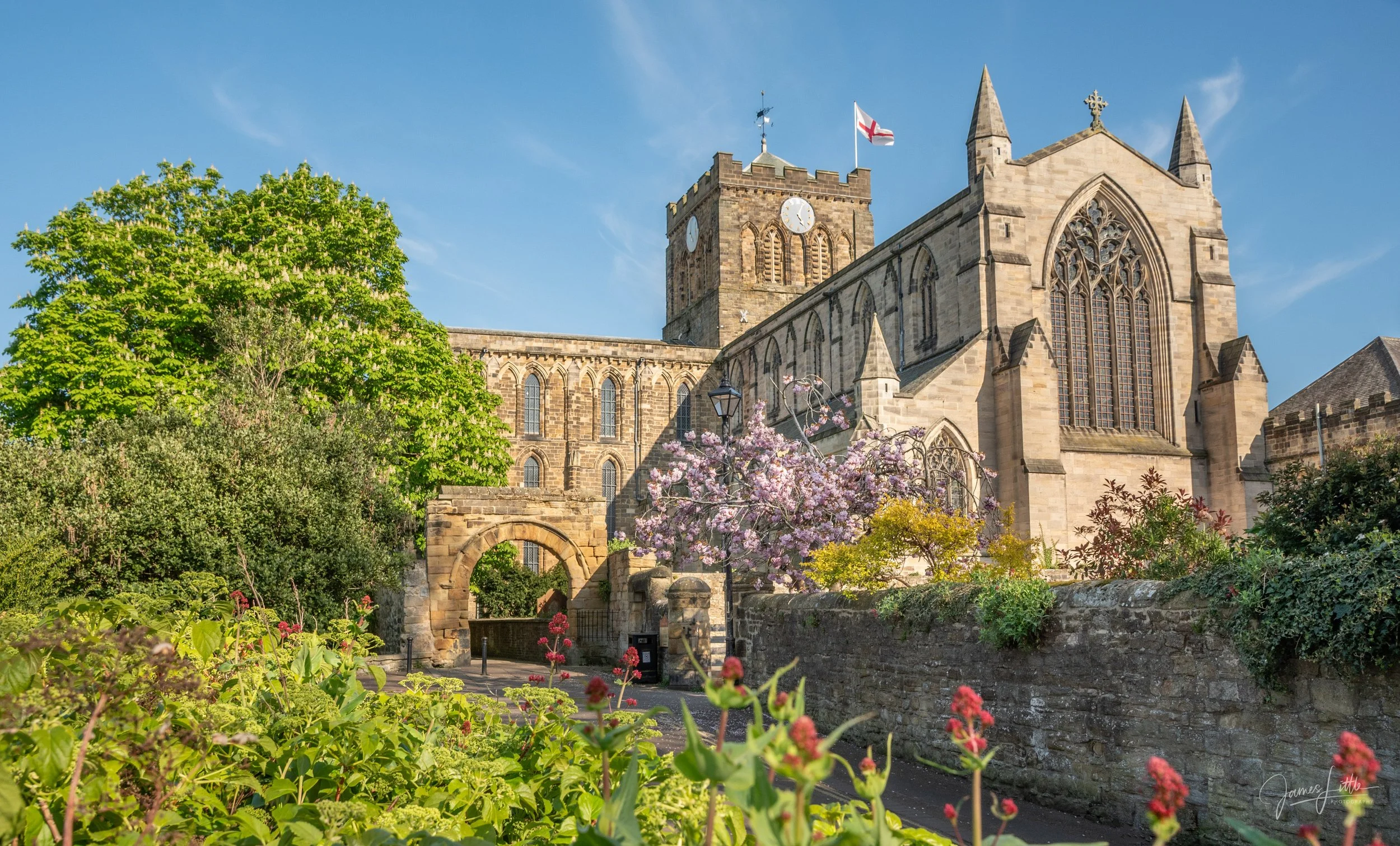
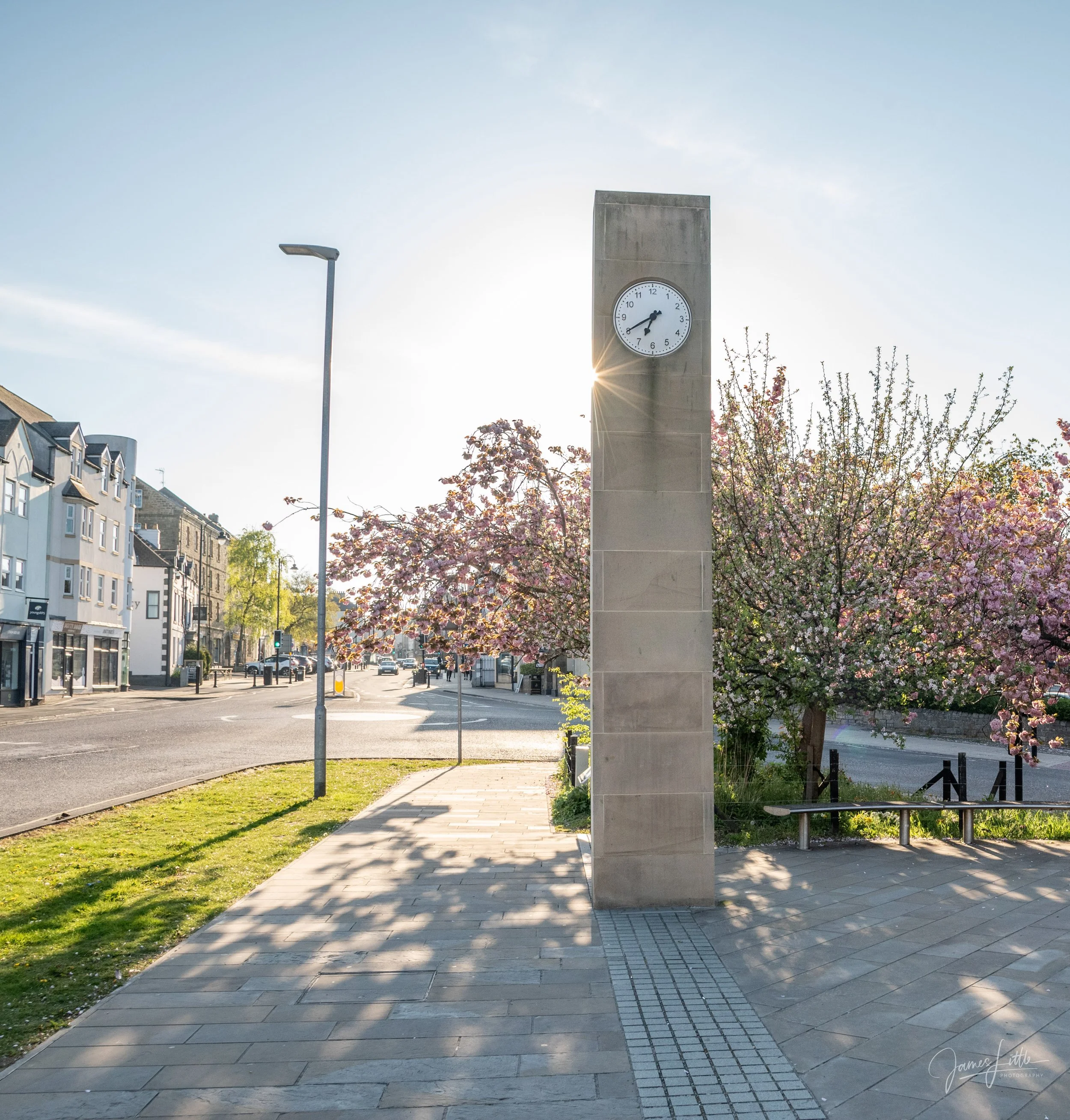
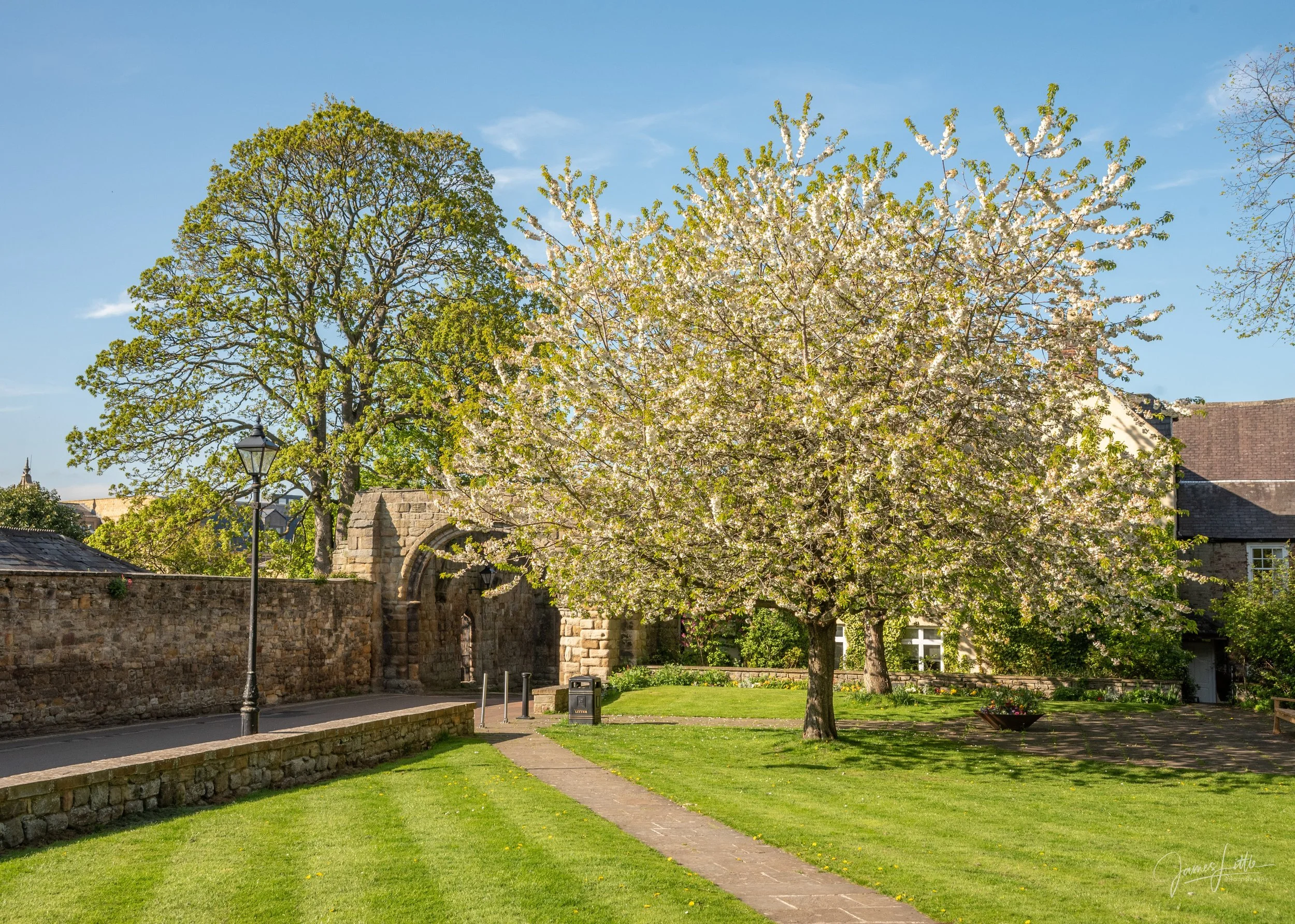
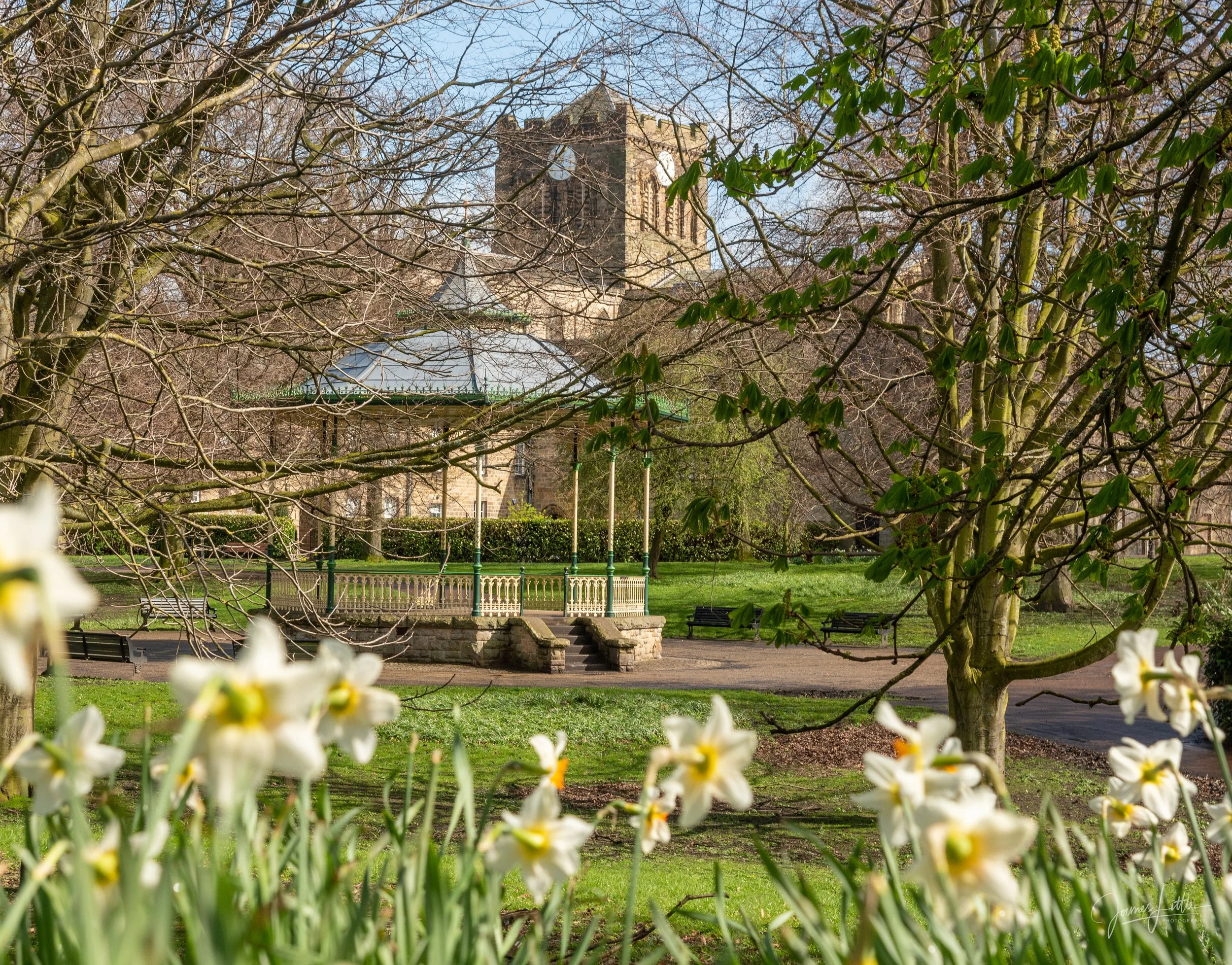
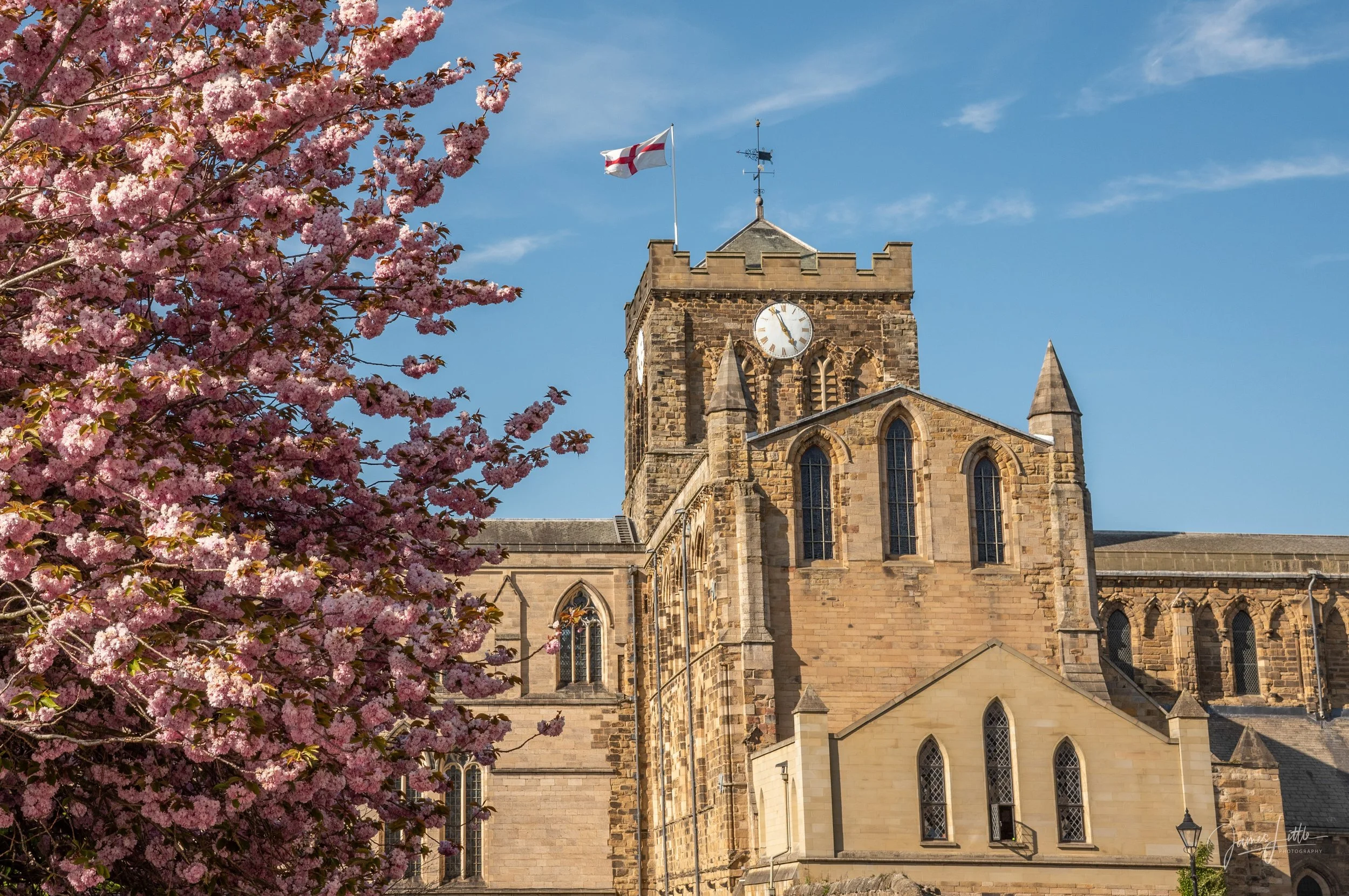
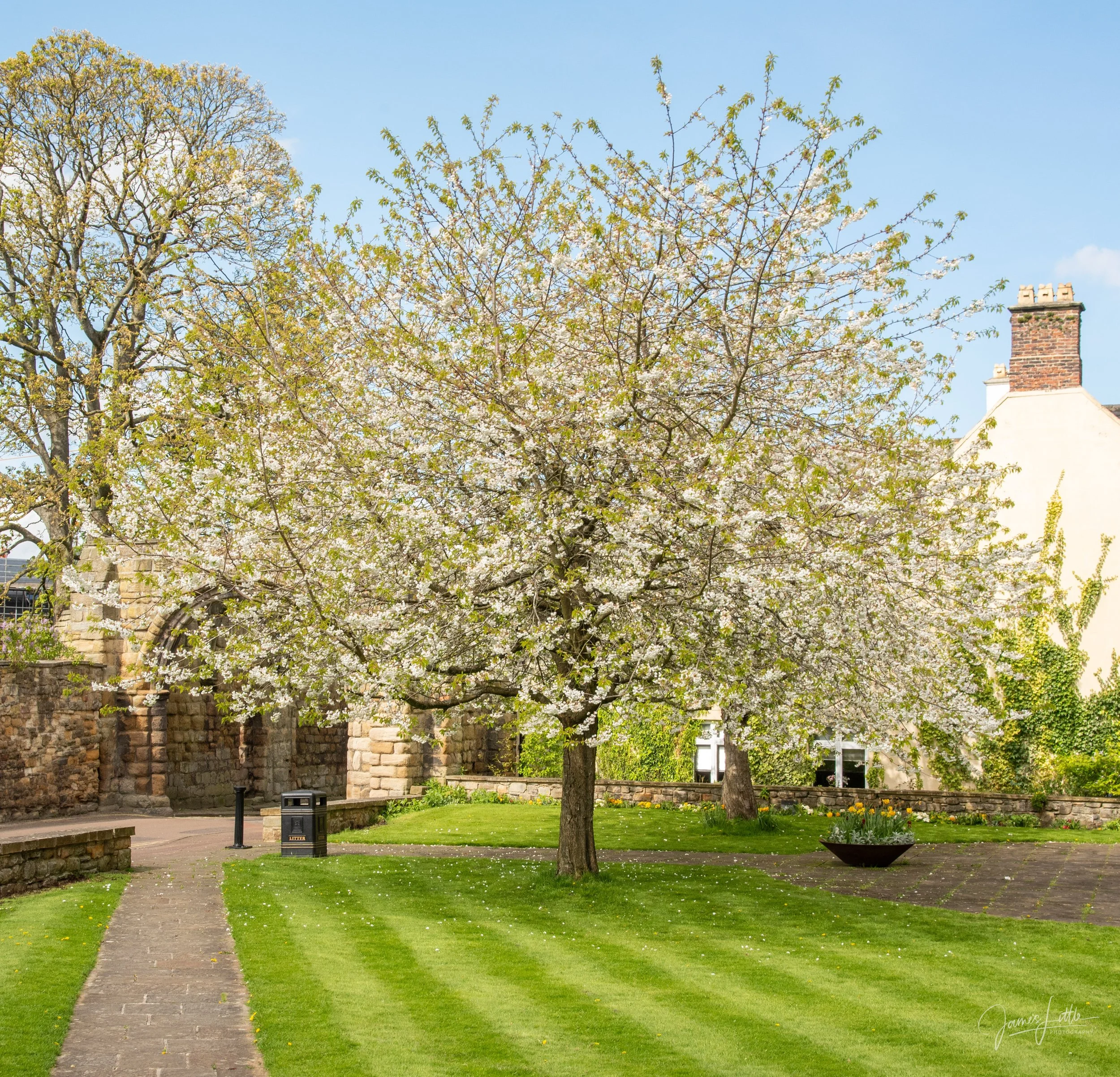
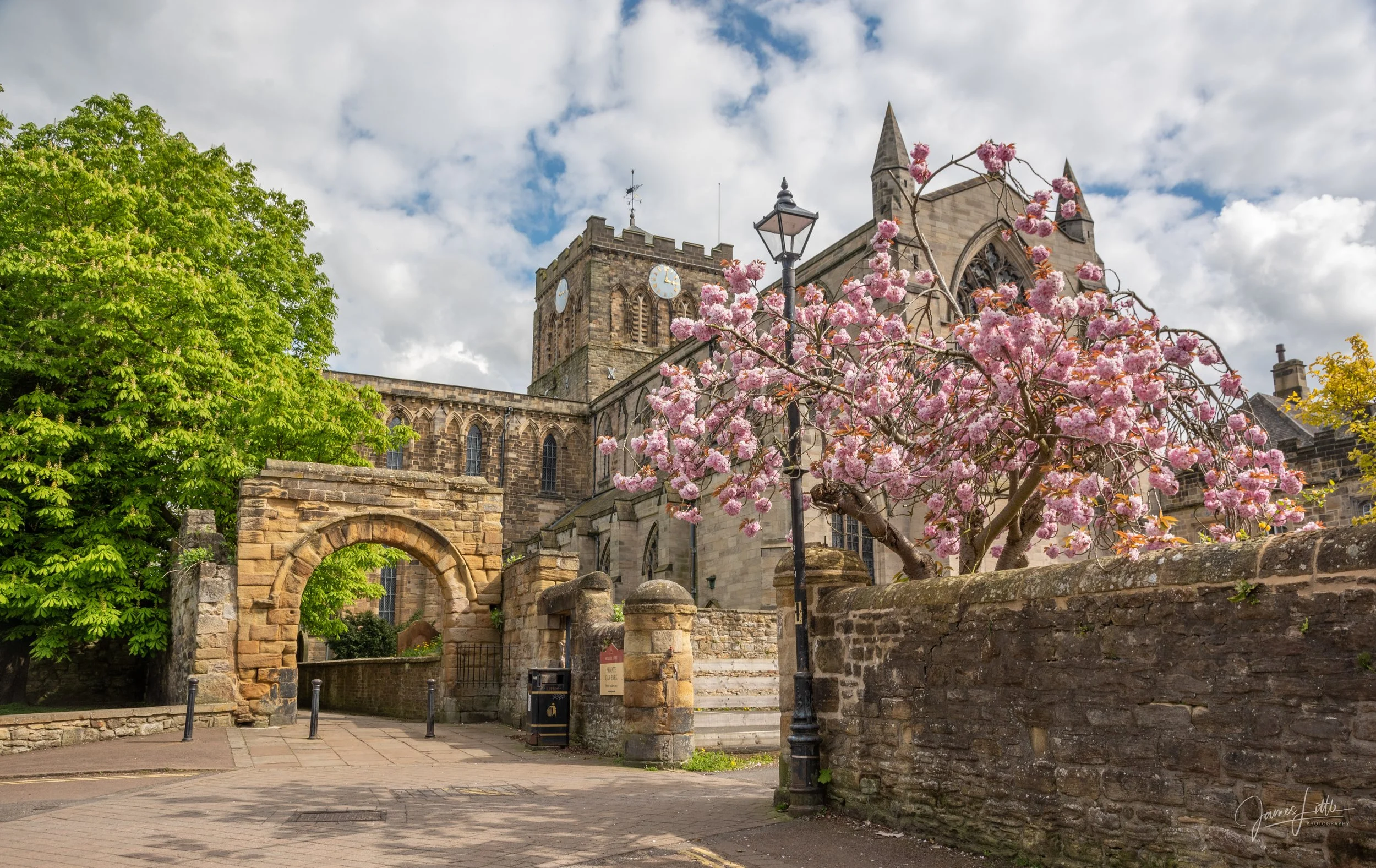
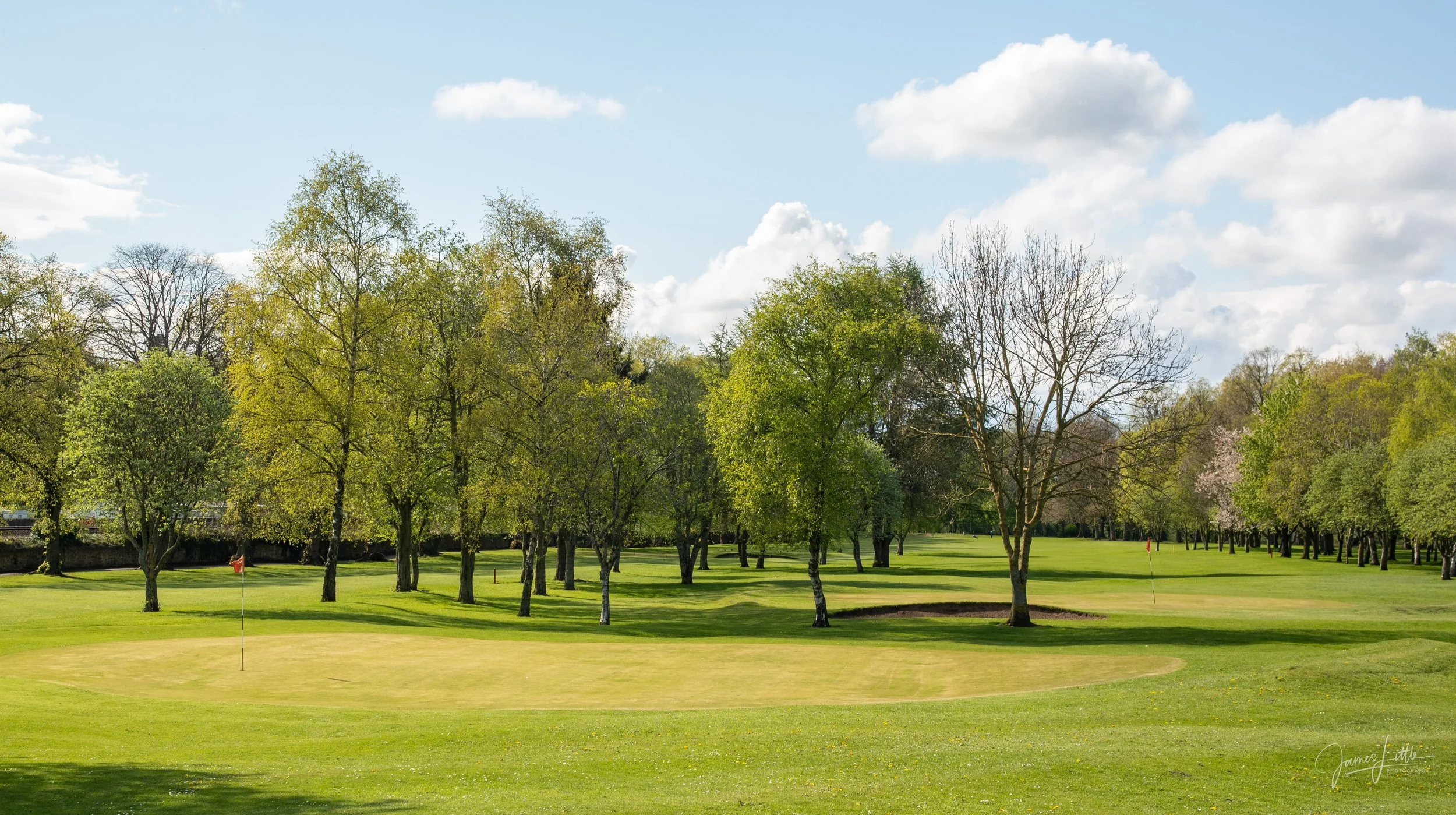
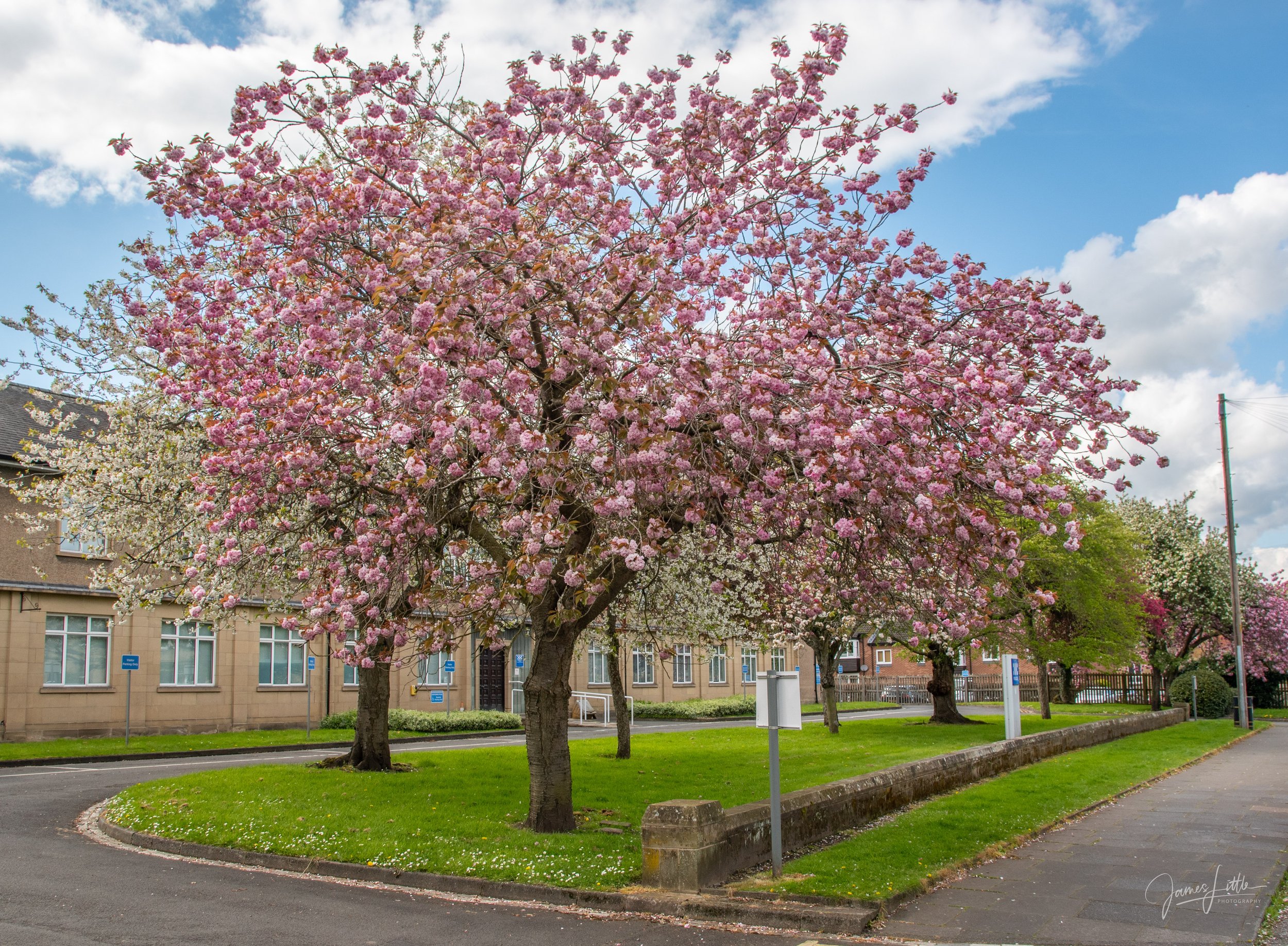
Hexham is a place I return to often in spring, and at the heart of it all is the striking abbey in the town centre. A walk through Sele Park offers spectacular views of the building, framed by seasonal blooms.
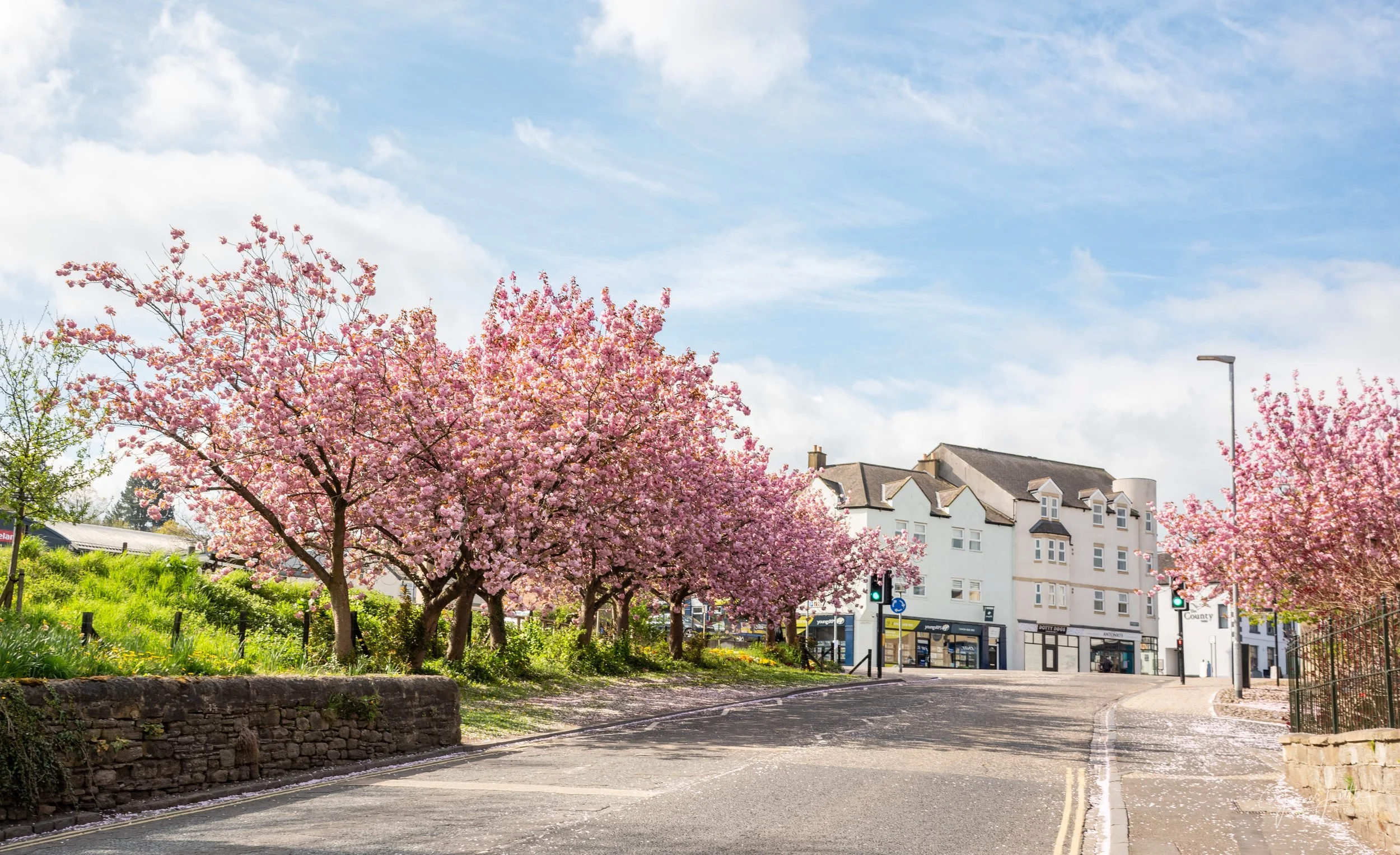
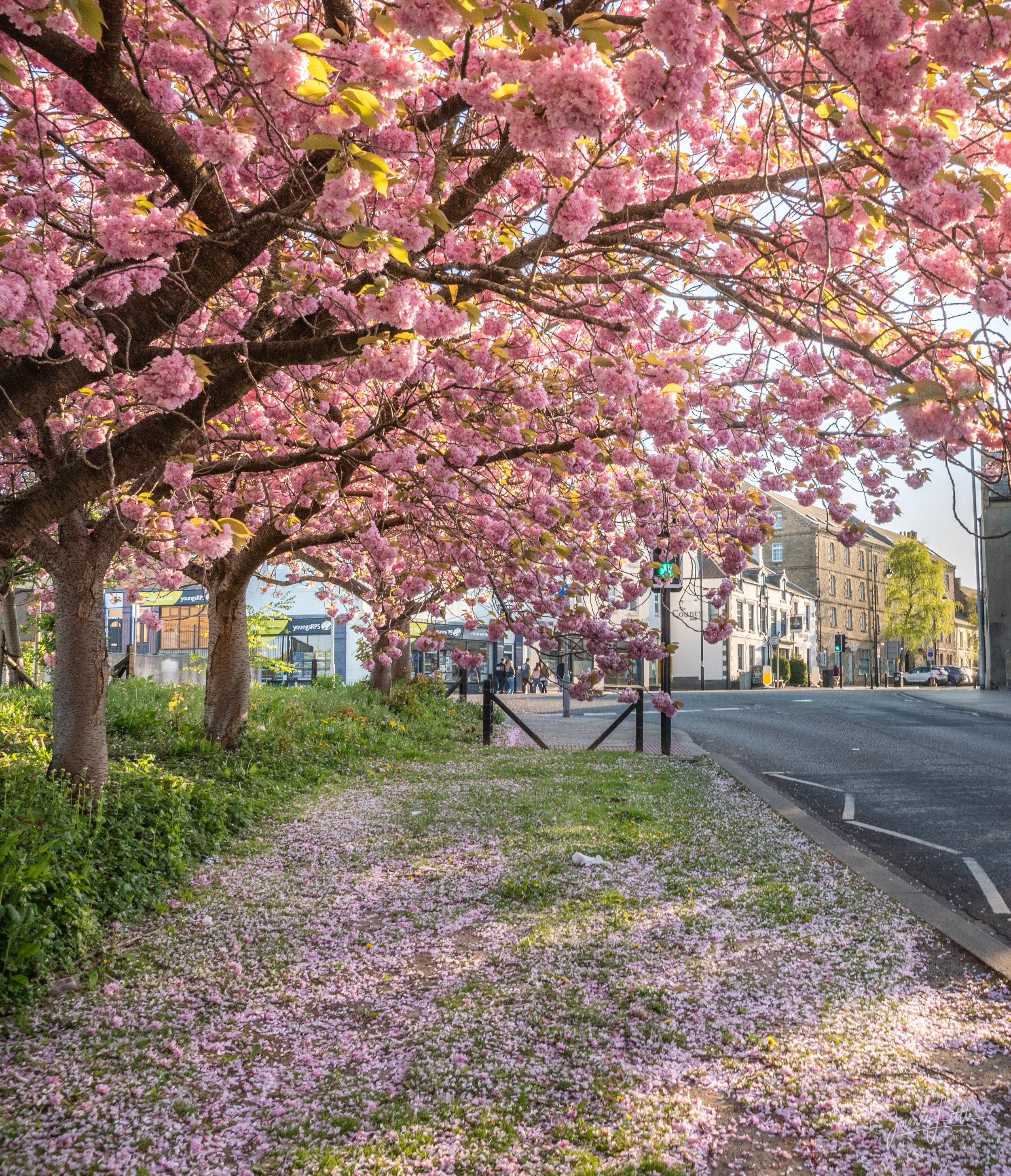
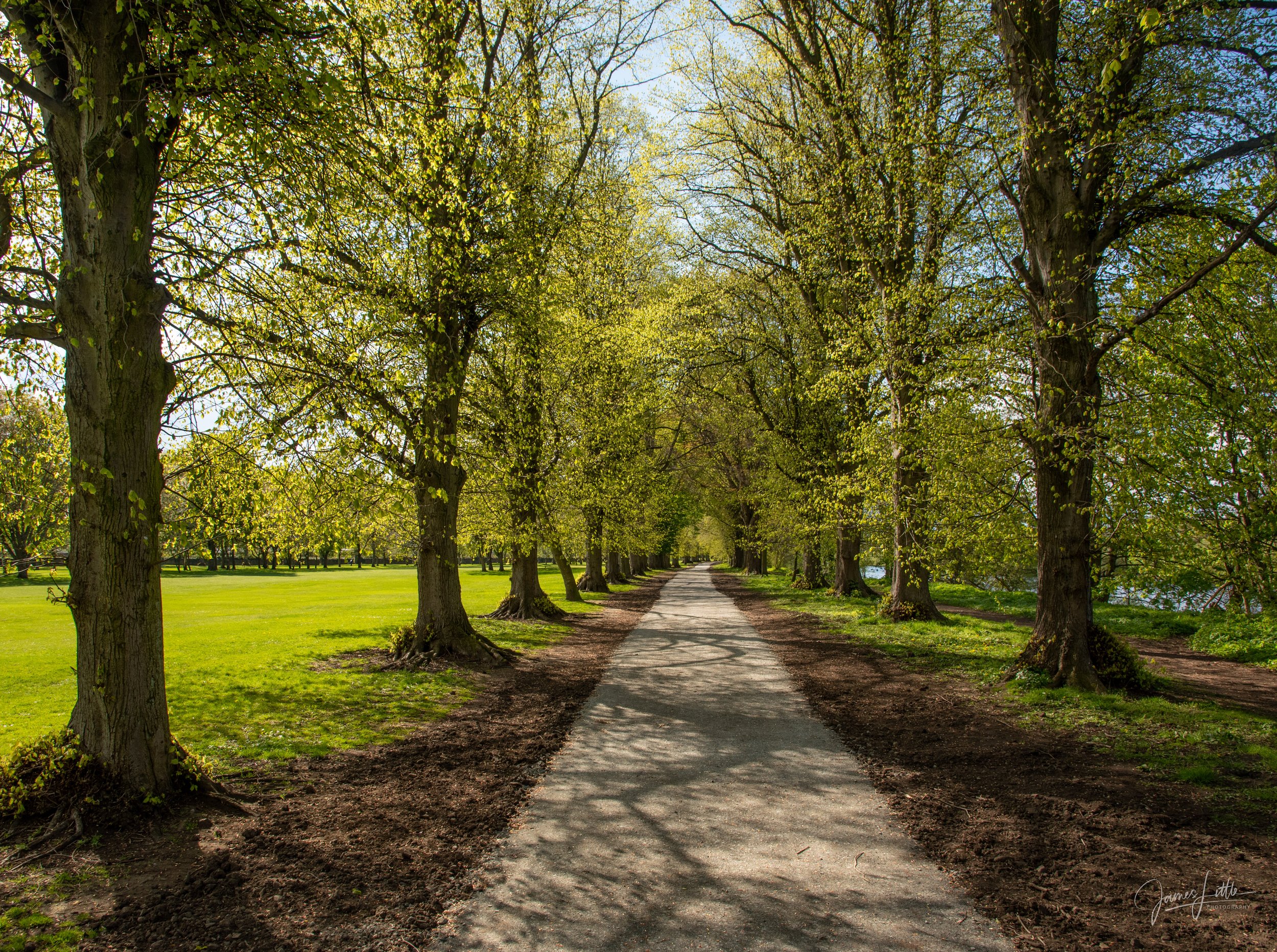
The town is also home to several cherry blossom trees, with some of the most impressive found near the bus station. From there, a short walk down to the River Tyne and along Tyne Green reveals an abundance of mature trees just coming back into leaf.
Howick Hall
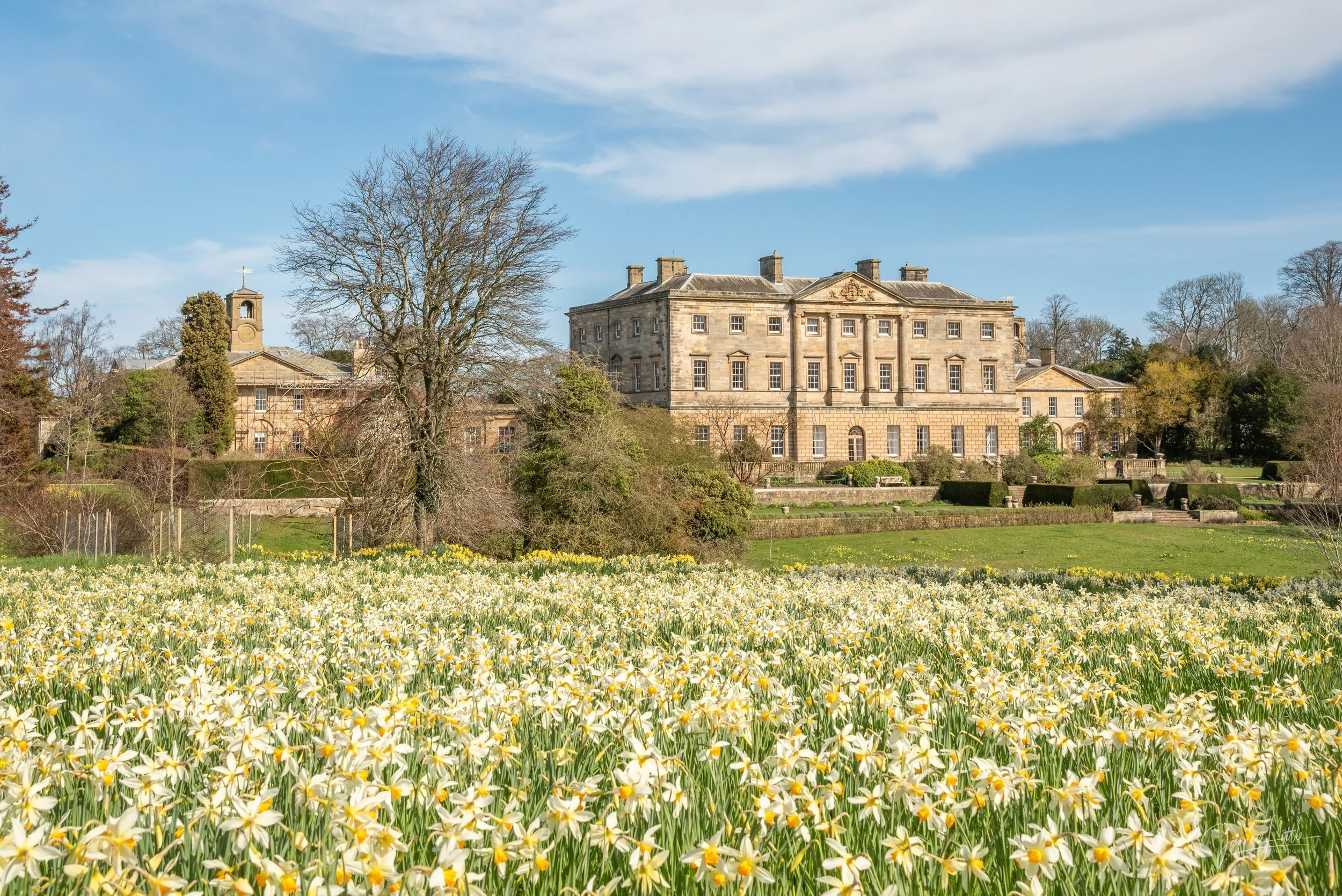
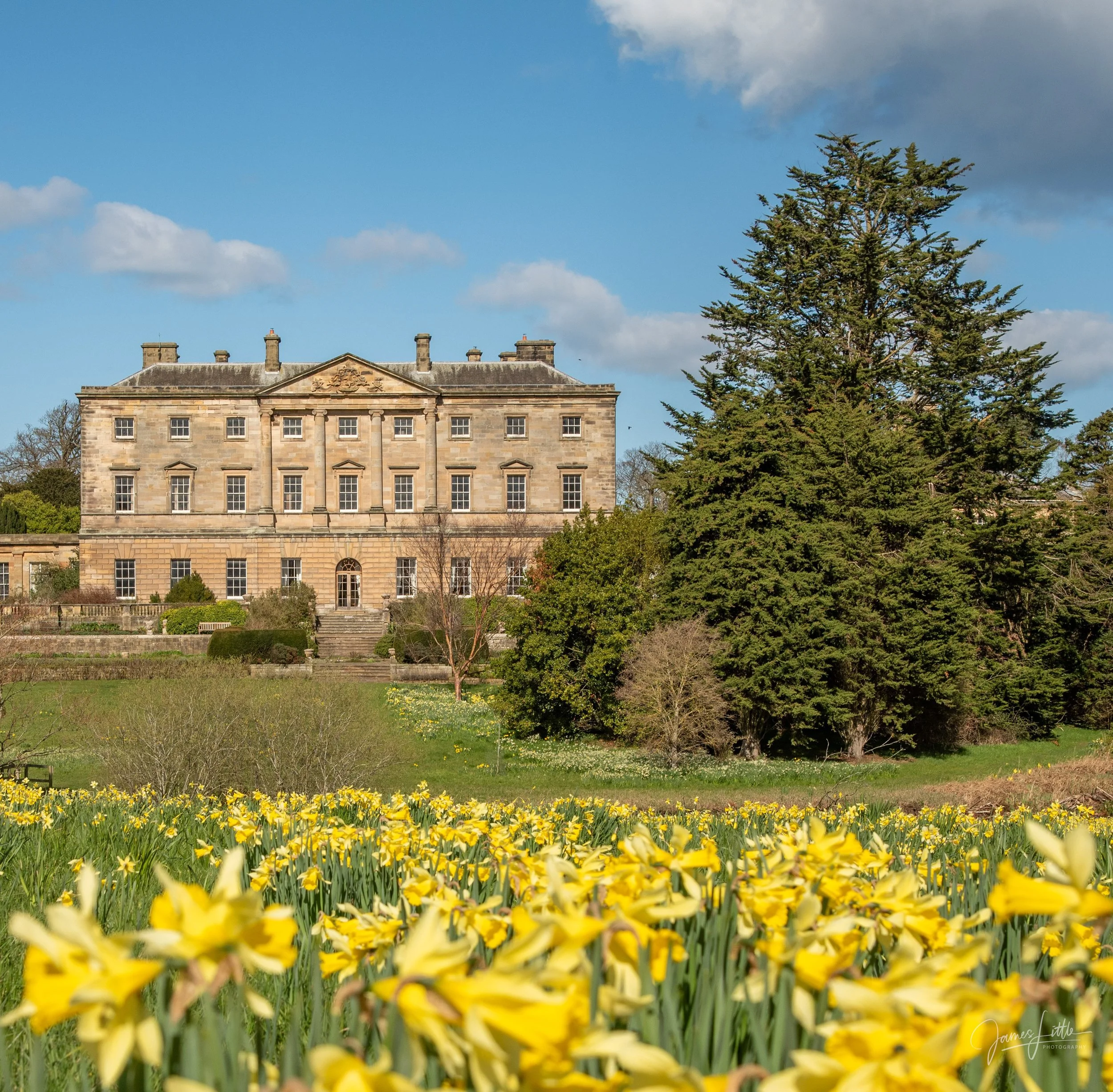
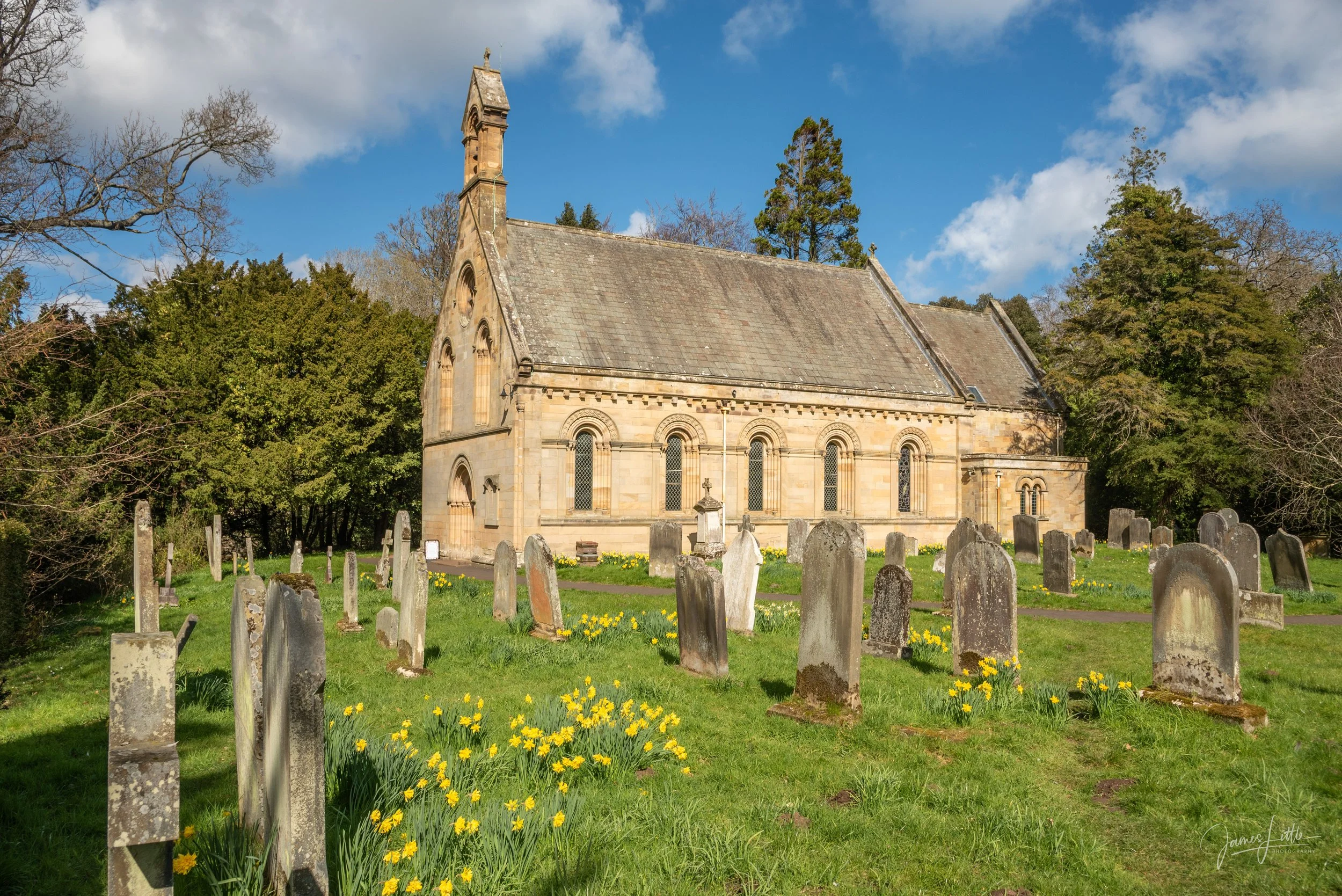
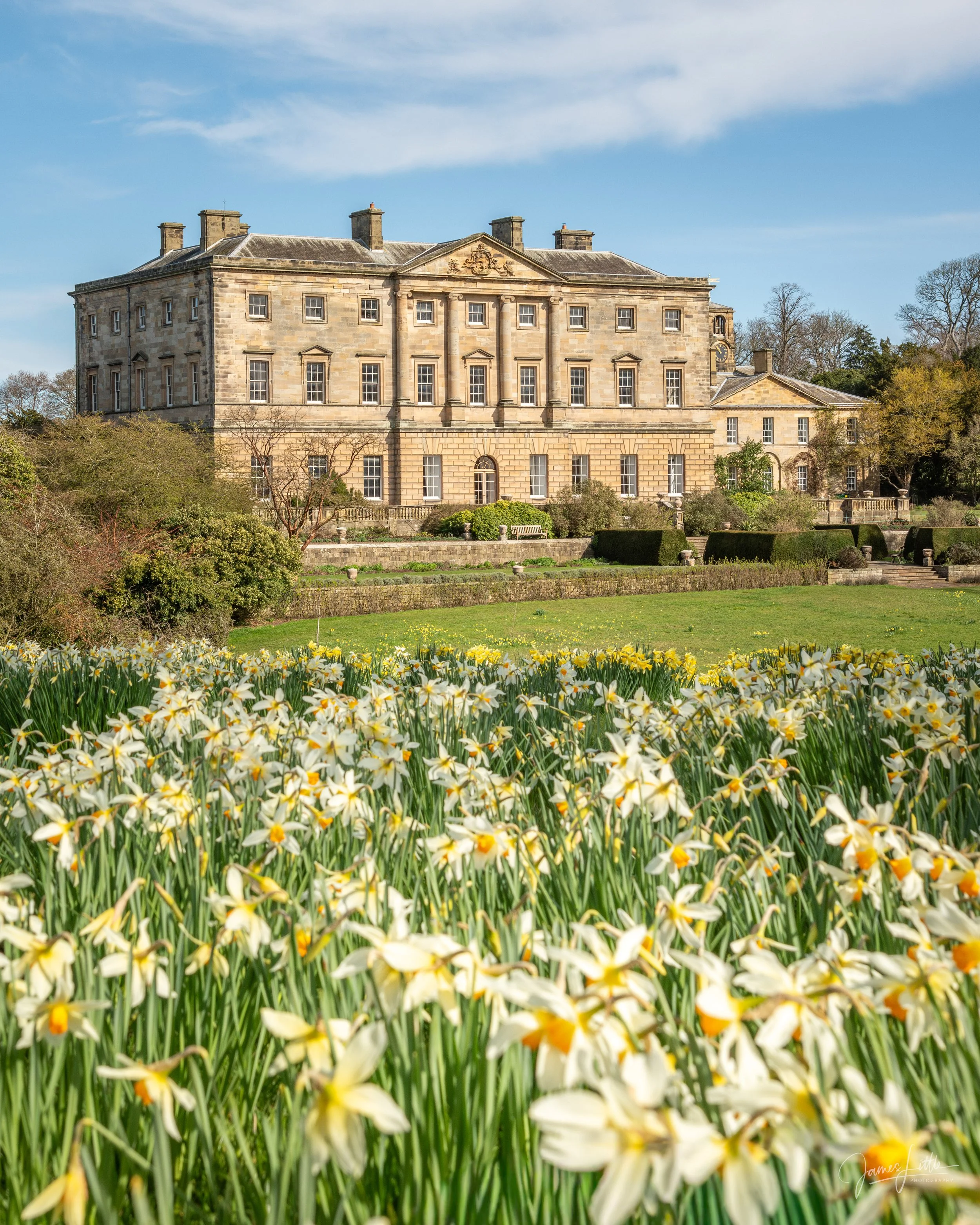
Second on the list is Howick Hall, a Grade II listed building just outside the village of Howick. While it’s well known for its snowdrops in late winter, spring brings hundreds of varieties of daffodils across the estate.
My favourite viewpoint is just in front of the house, across the stream, where uninterrupted views of the building are framed by sweeping banks of daffodils. Within the grounds, St Michael’s & All Angels Church also provides a beautiful photographic setting. If you have time, it’s well worth exploring further, spring flowers are scattered throughout the estate.
Alnwick Castle
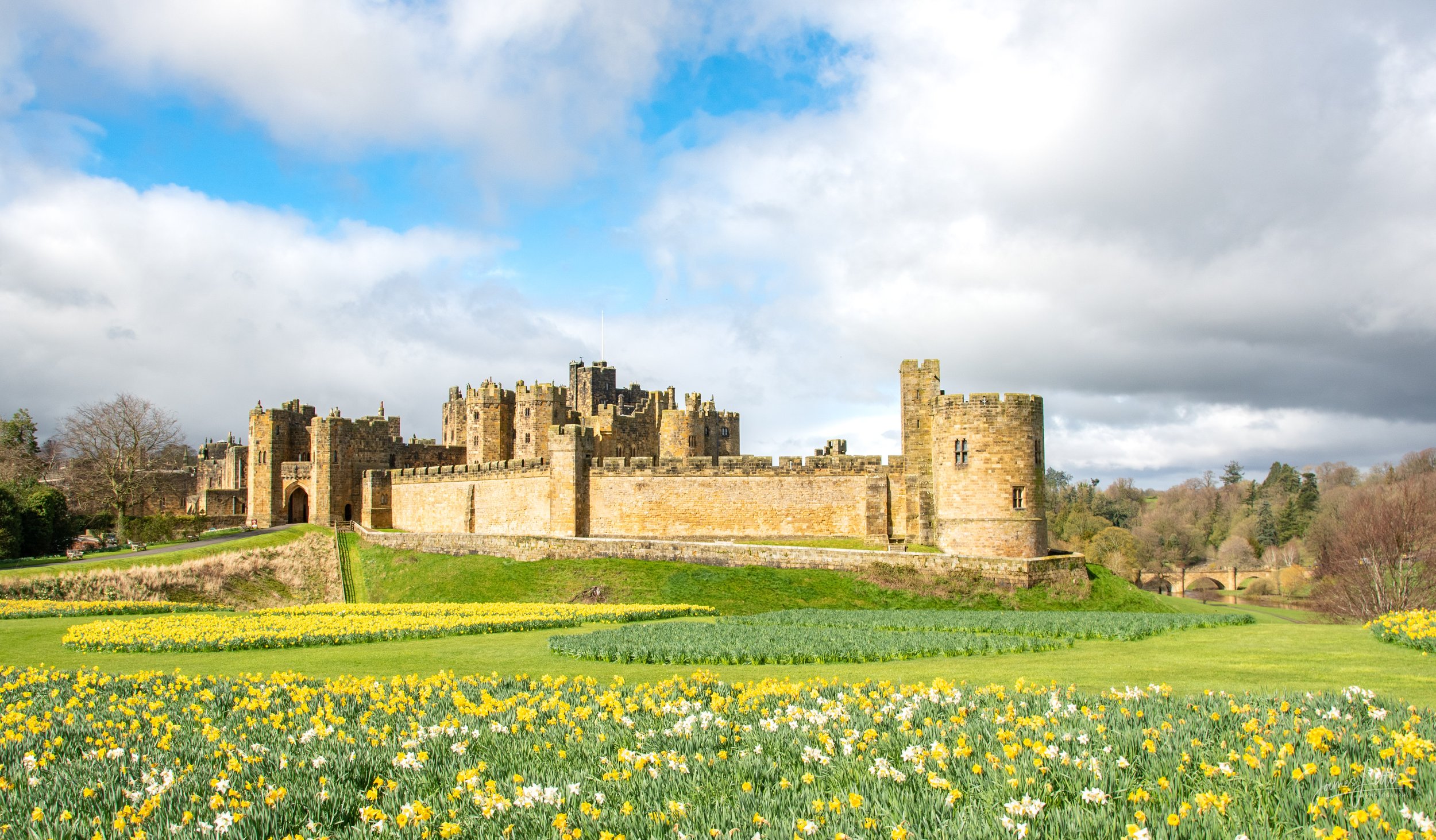
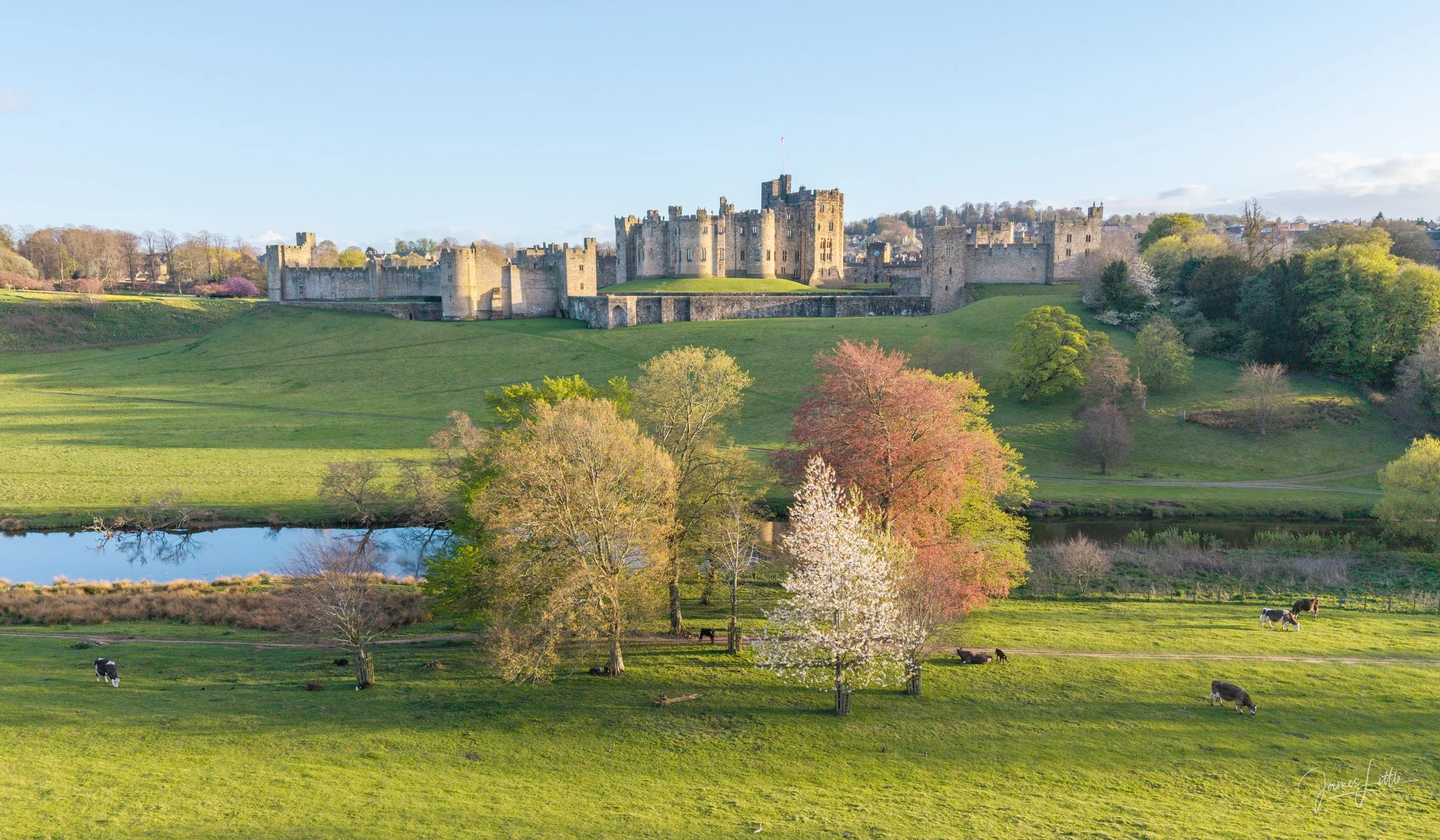
Famous for its role in the Harry Potter films, Alnwick Castle offers several standout locations in spring:
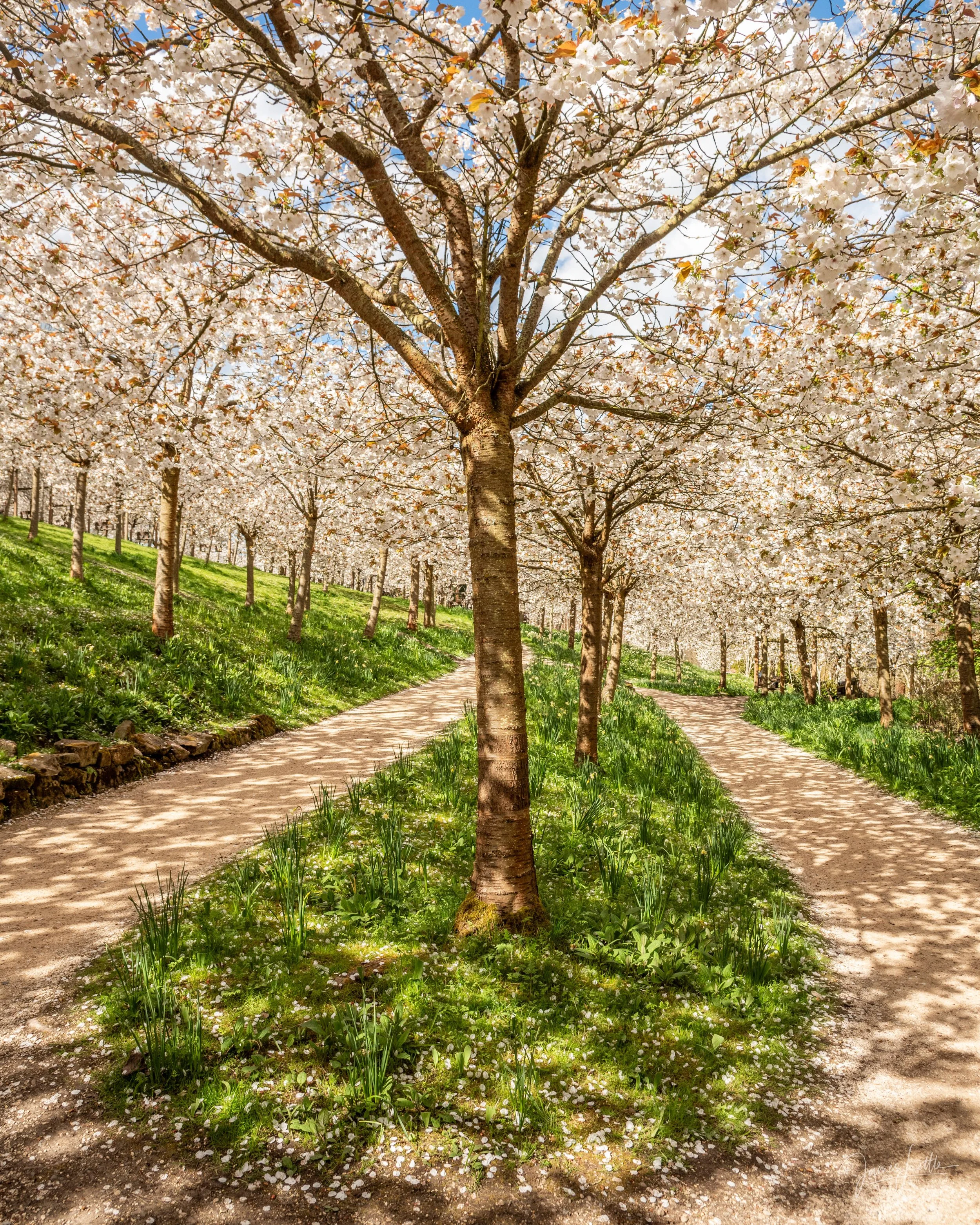
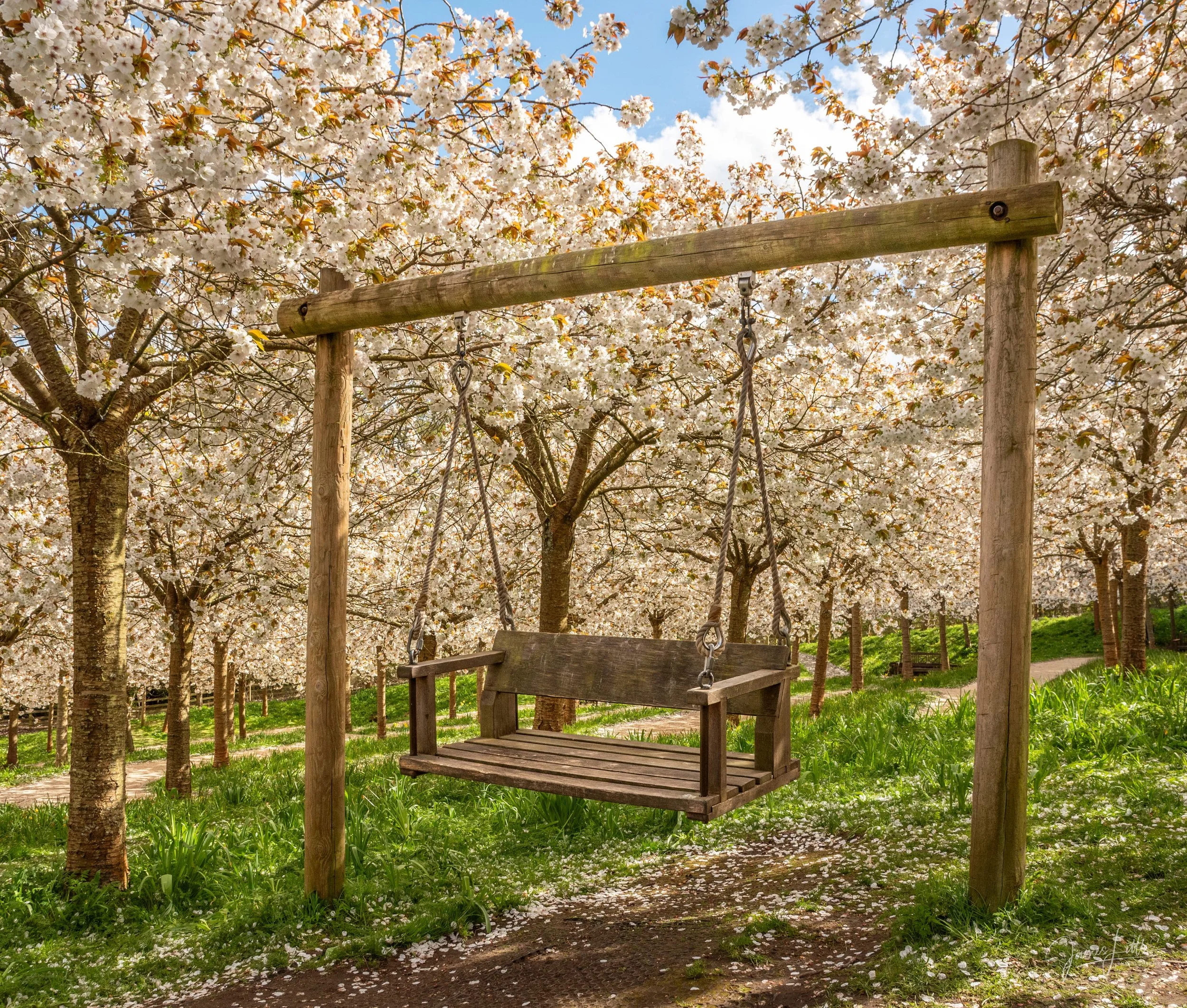
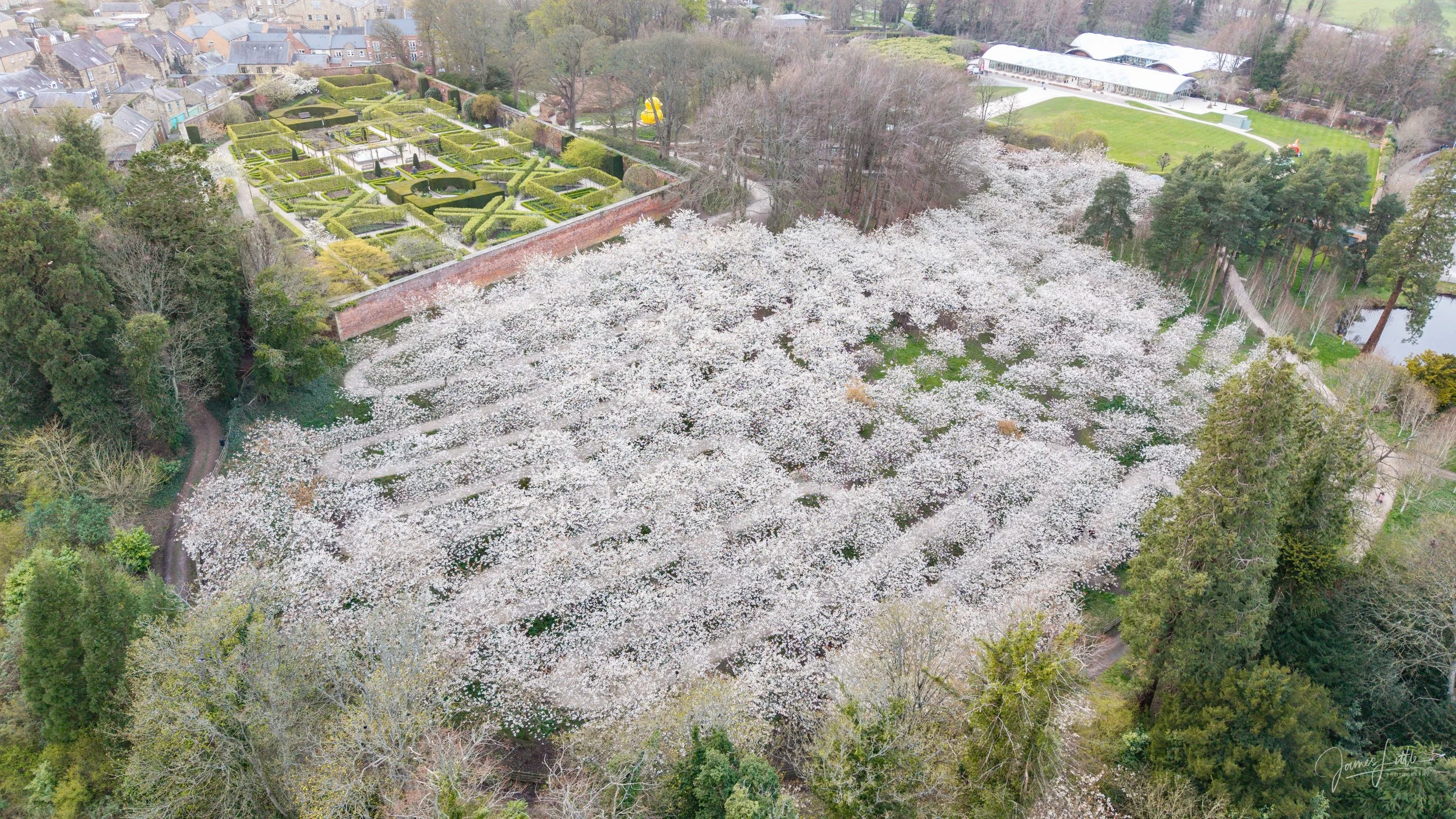
The gardens: The cherry orchard, planted in 2008, contains the largest collection of Taihaku cherry trees in the world—329 in total. When in full bloom, it’s a truly spectacular sight, though fleeting if the weather turns.
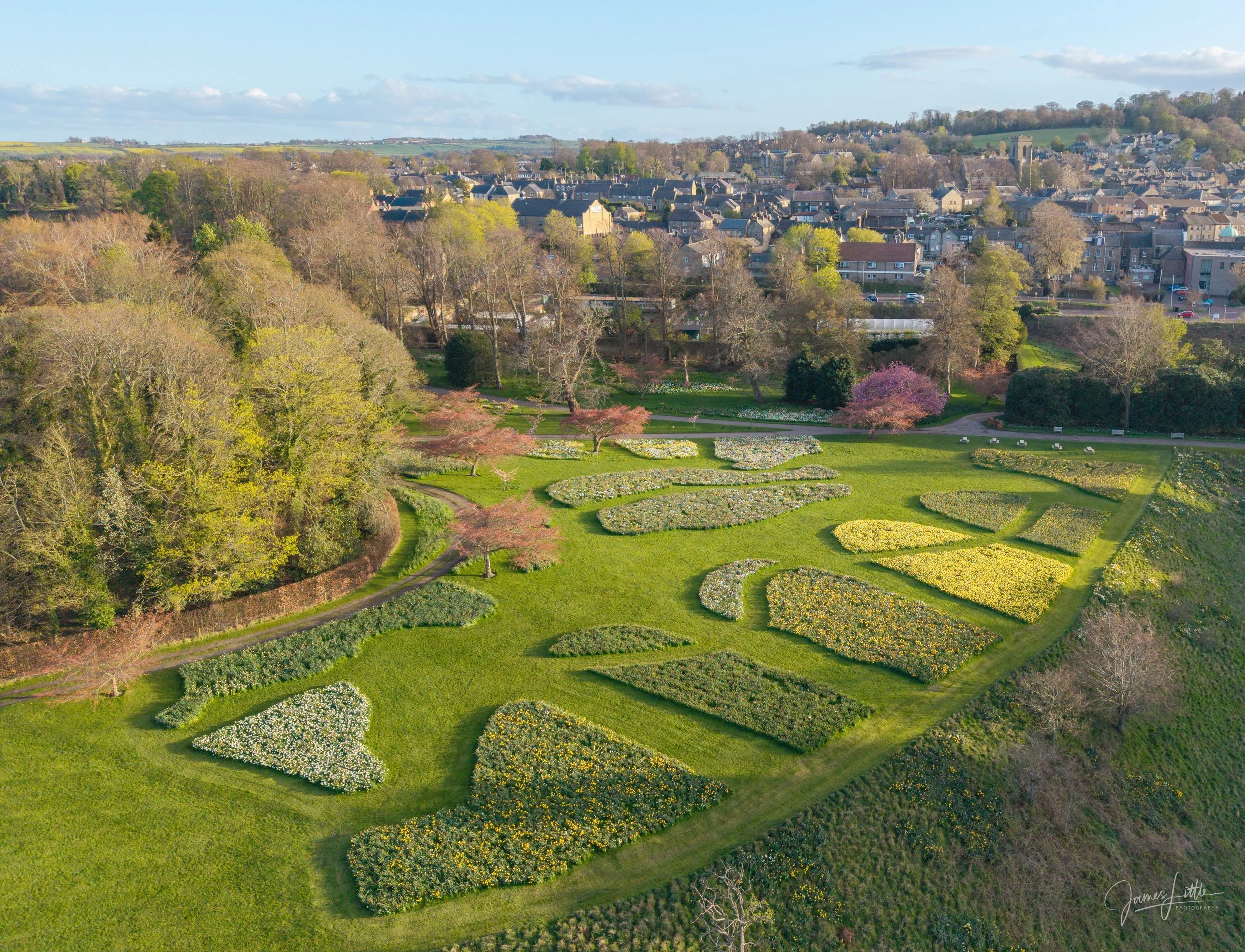
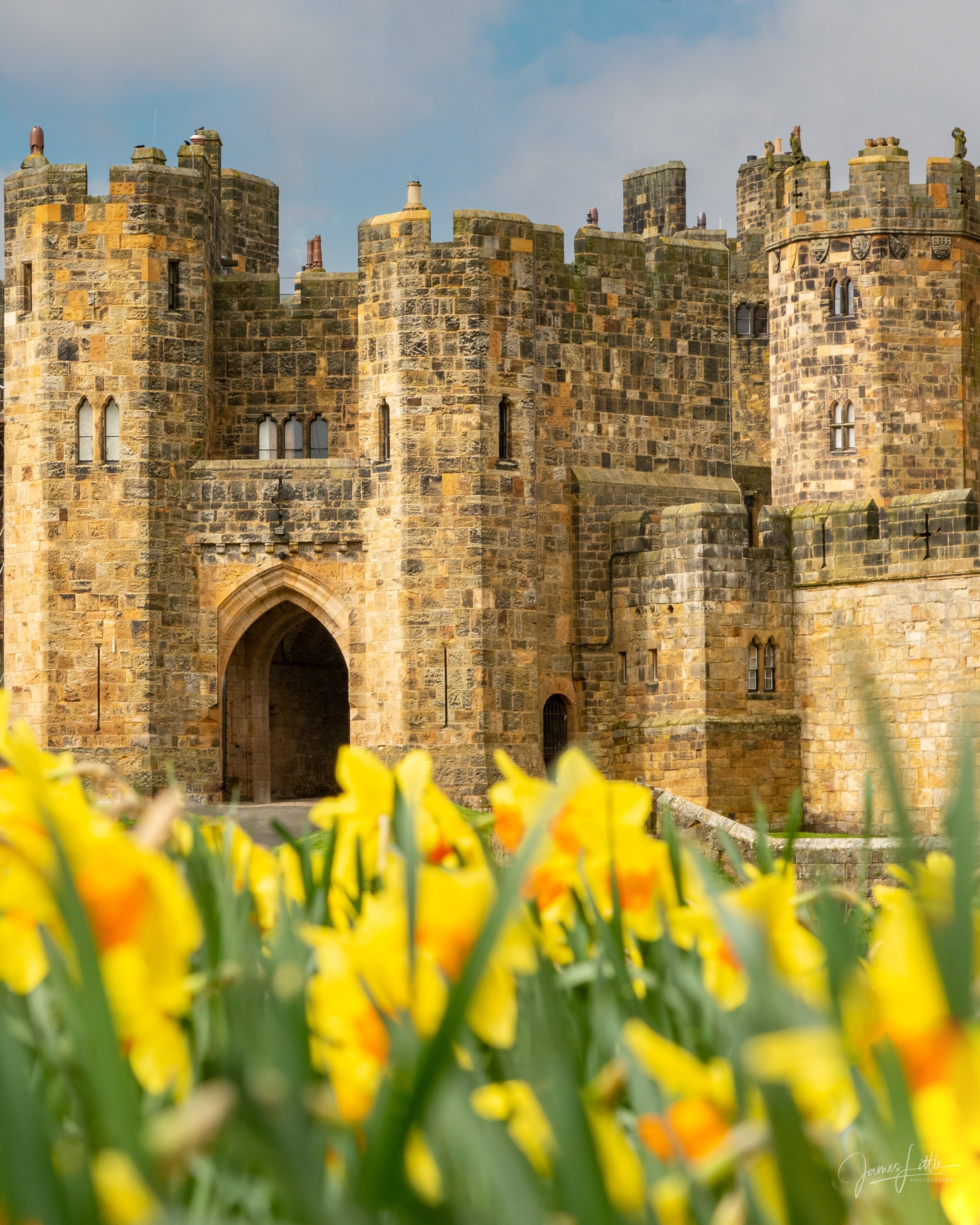
The castle grounds: Around twenty separate beds of daffodils bloom at different times, creating excellent opportunities to frame the castle in colour.
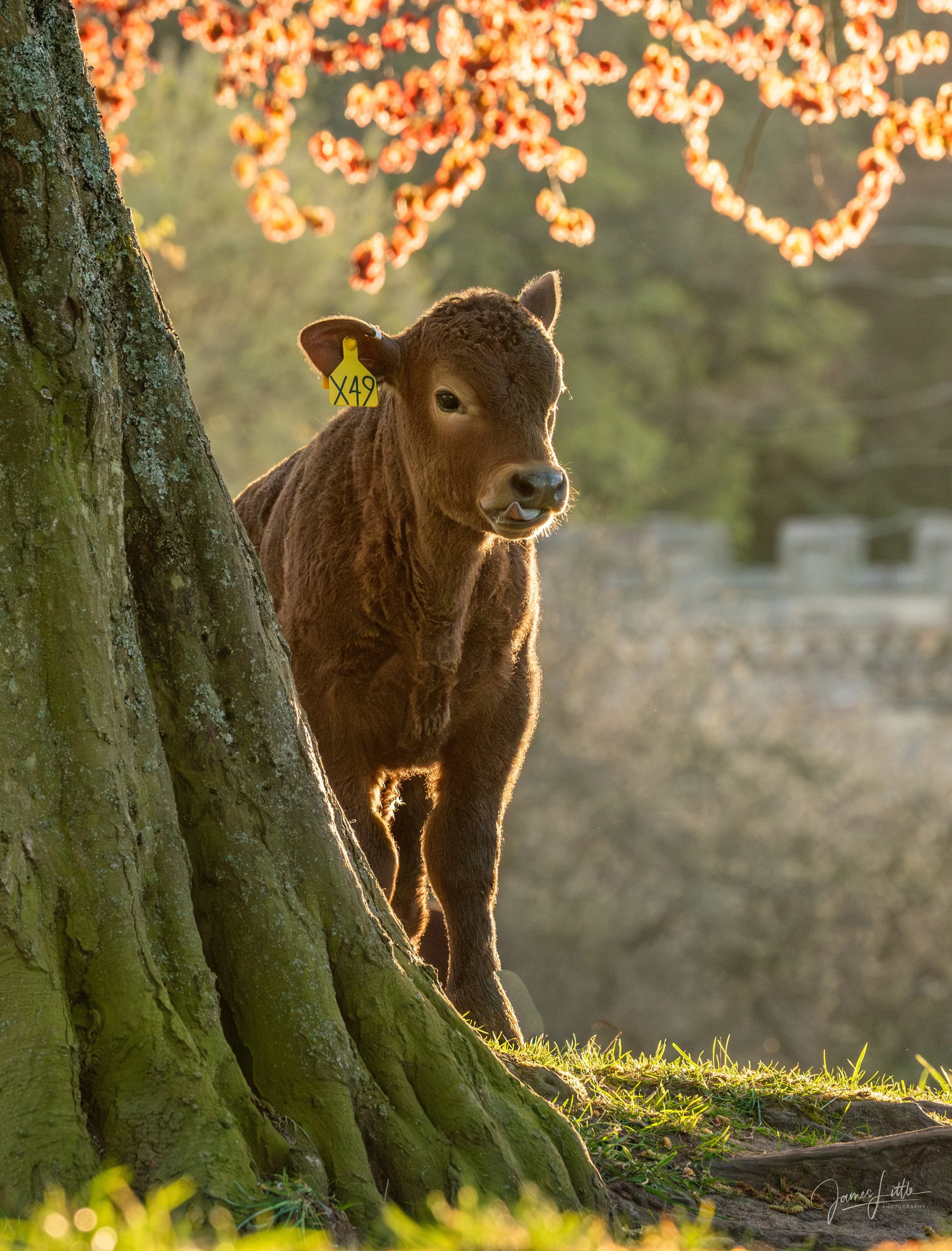
The river: A walk by the river offers peaceful scenery, with lambs and calves often visible in nearby fields, along with fresh spring growth in the surrounding trees.
Warkworth Castle
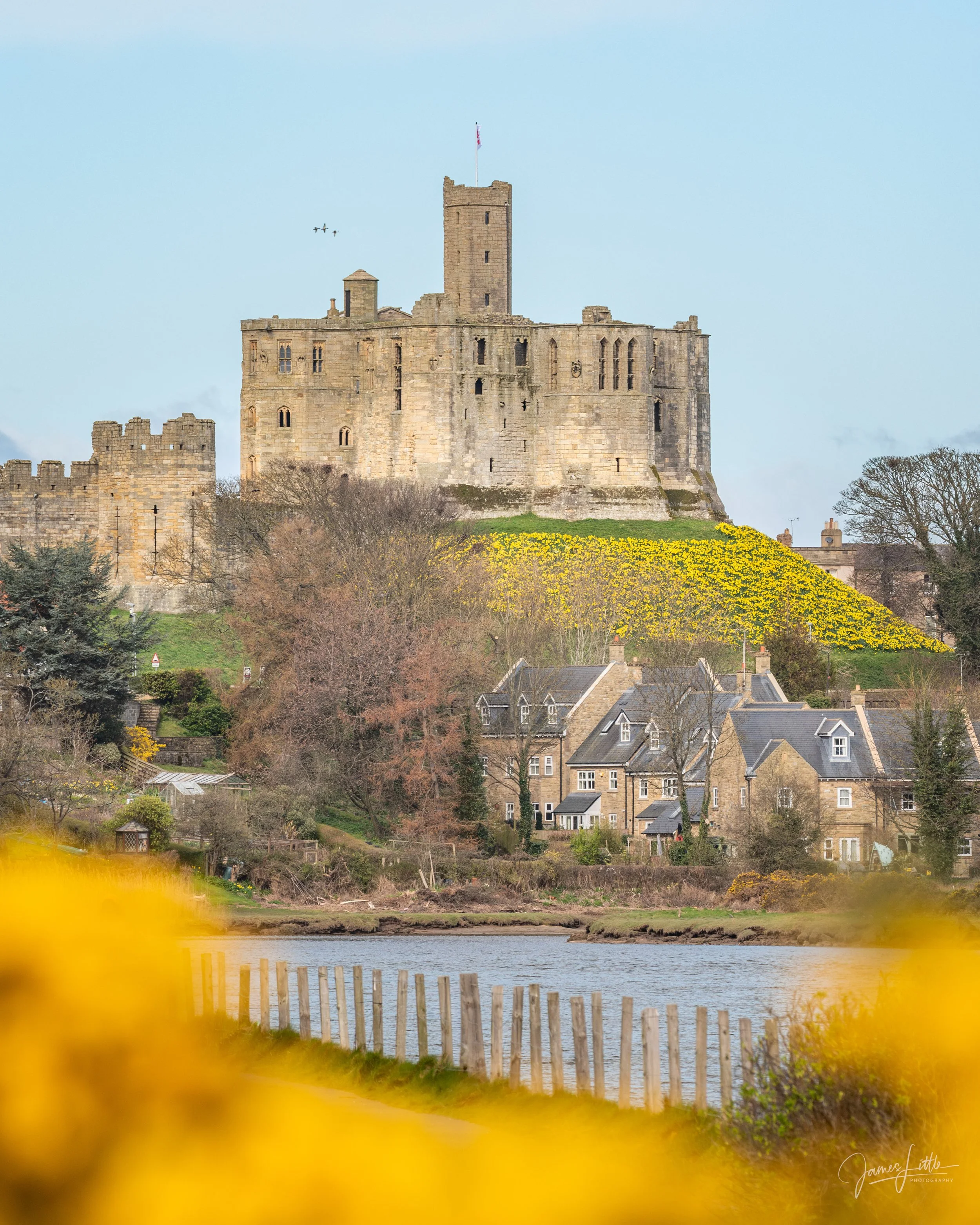
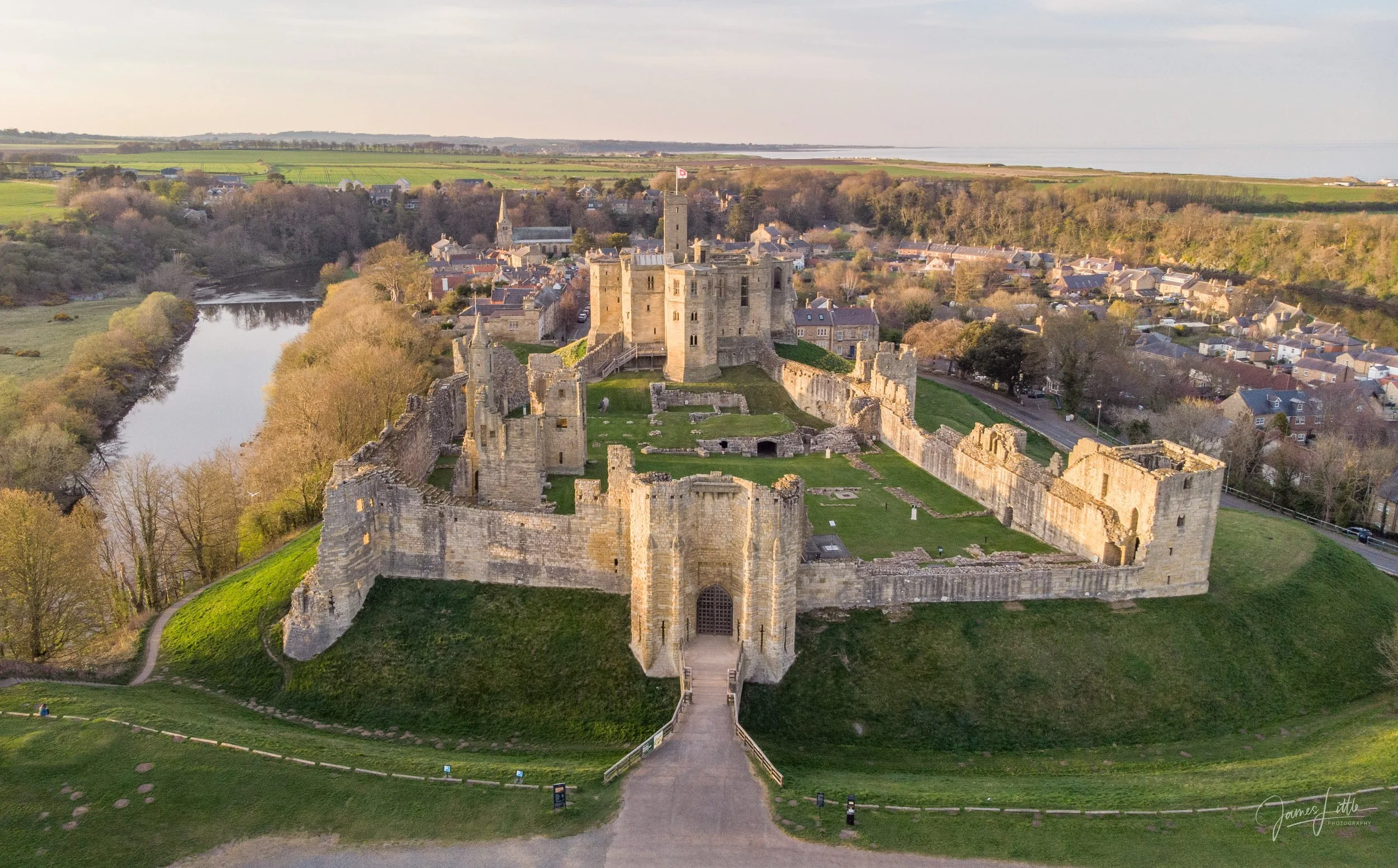
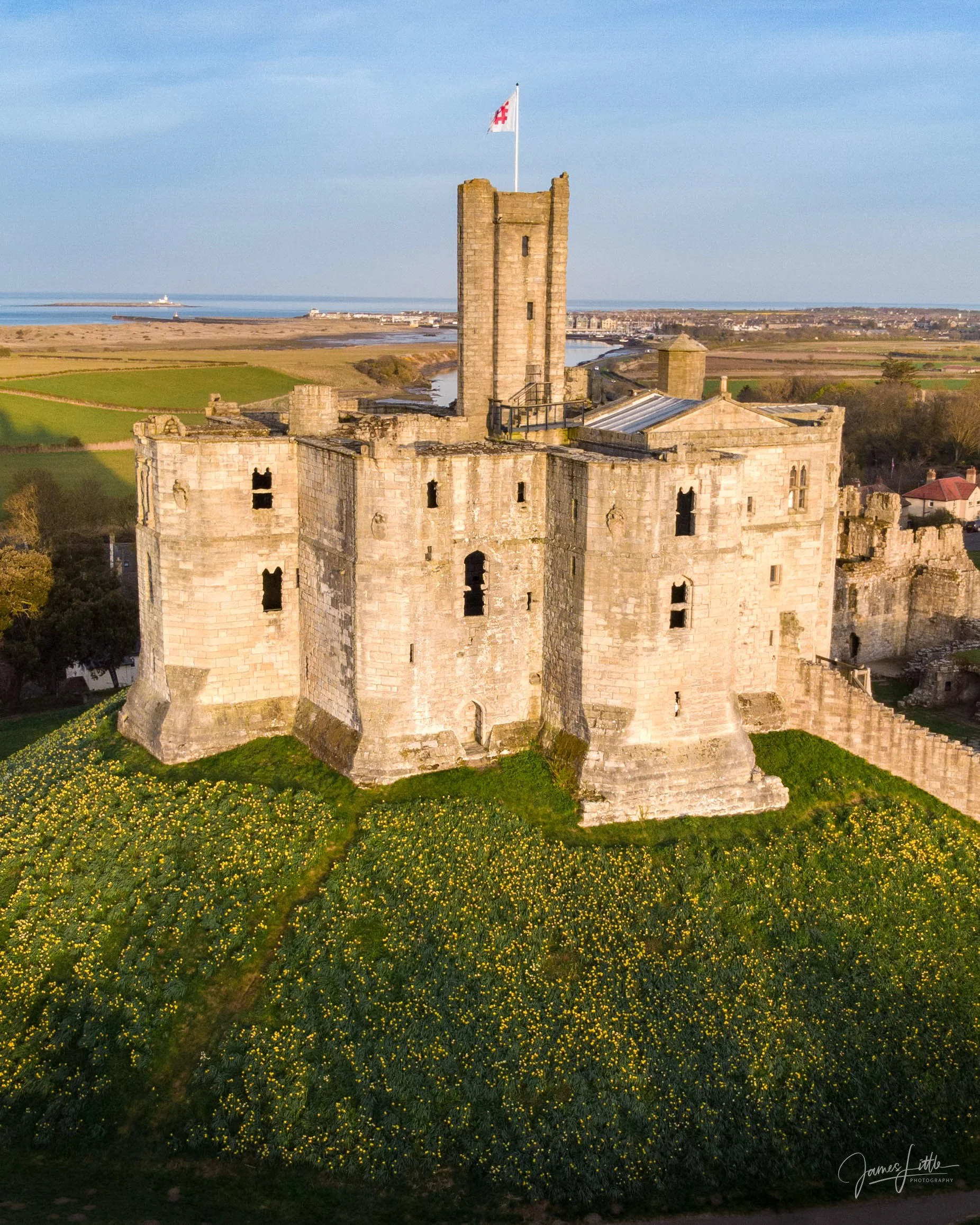
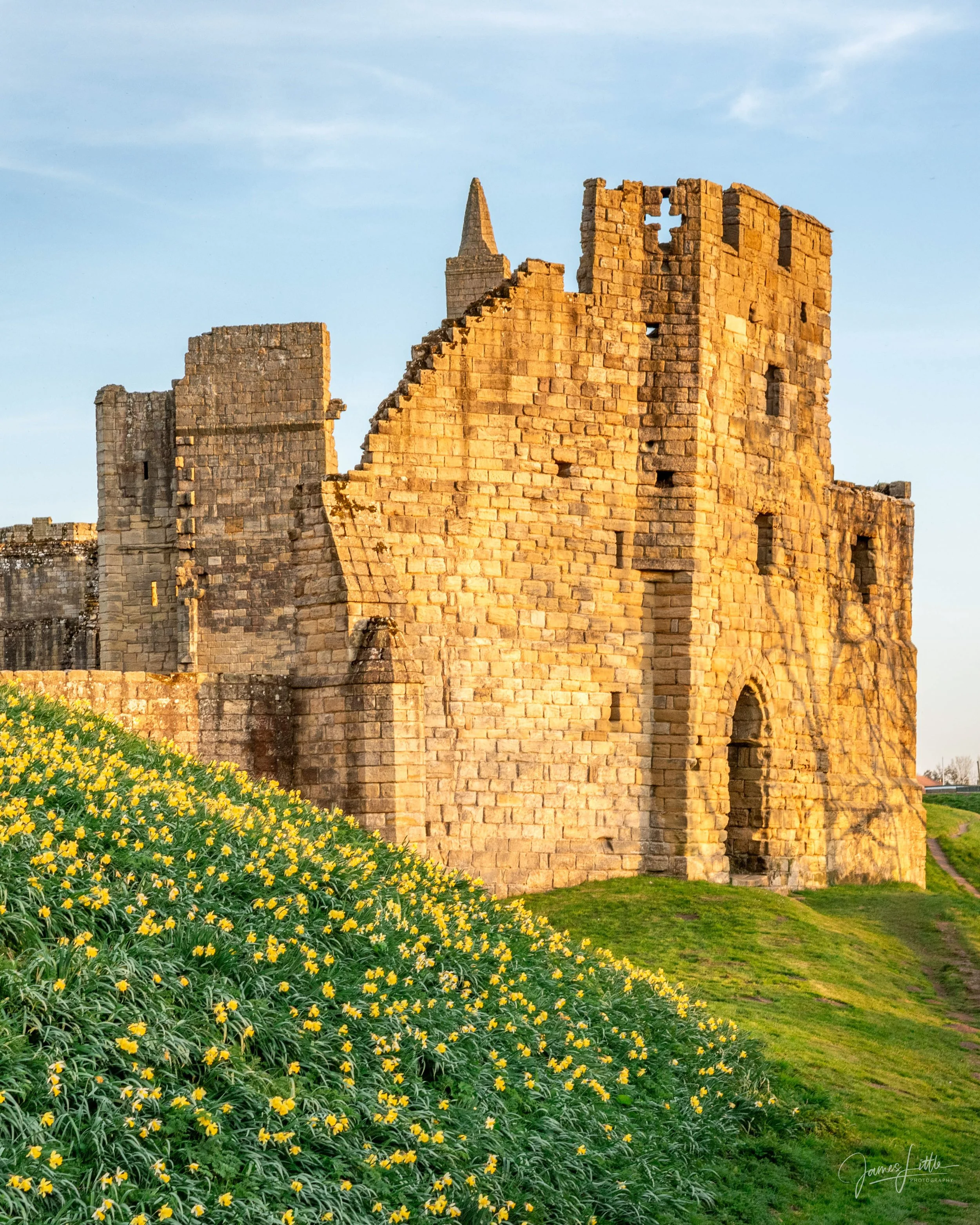
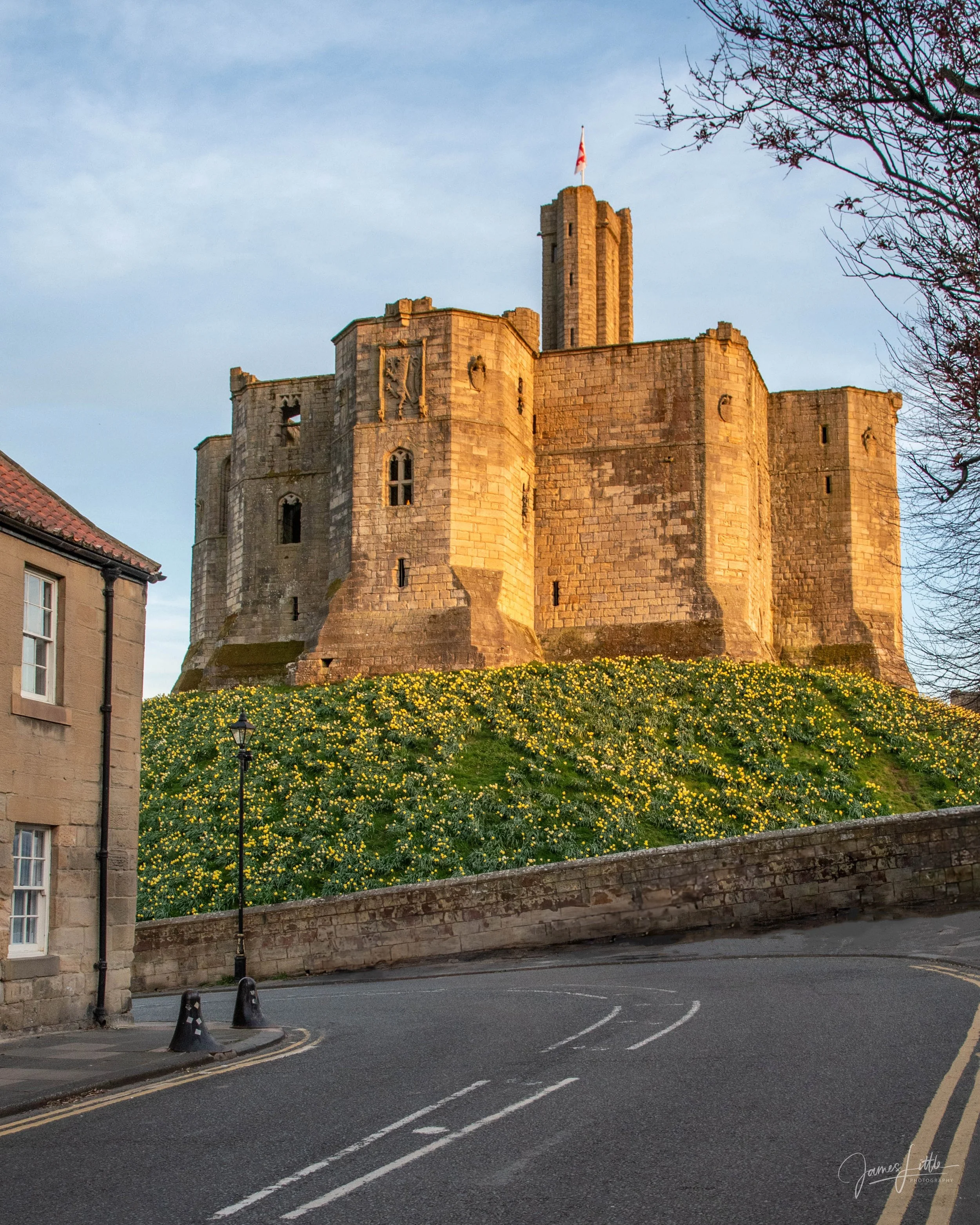
No spring list in Northumberland would be complete without Warkworth Castle. Built in the 12th century and encircled by the River Coquet, this medieval ruin becomes even more striking in spring, when thousands of daffodils line its banks.
Finding the right angle can be a challenge. I’ve had success using a drone, as well as a telephoto lens from the bottom of Beal Bank.
Allendale
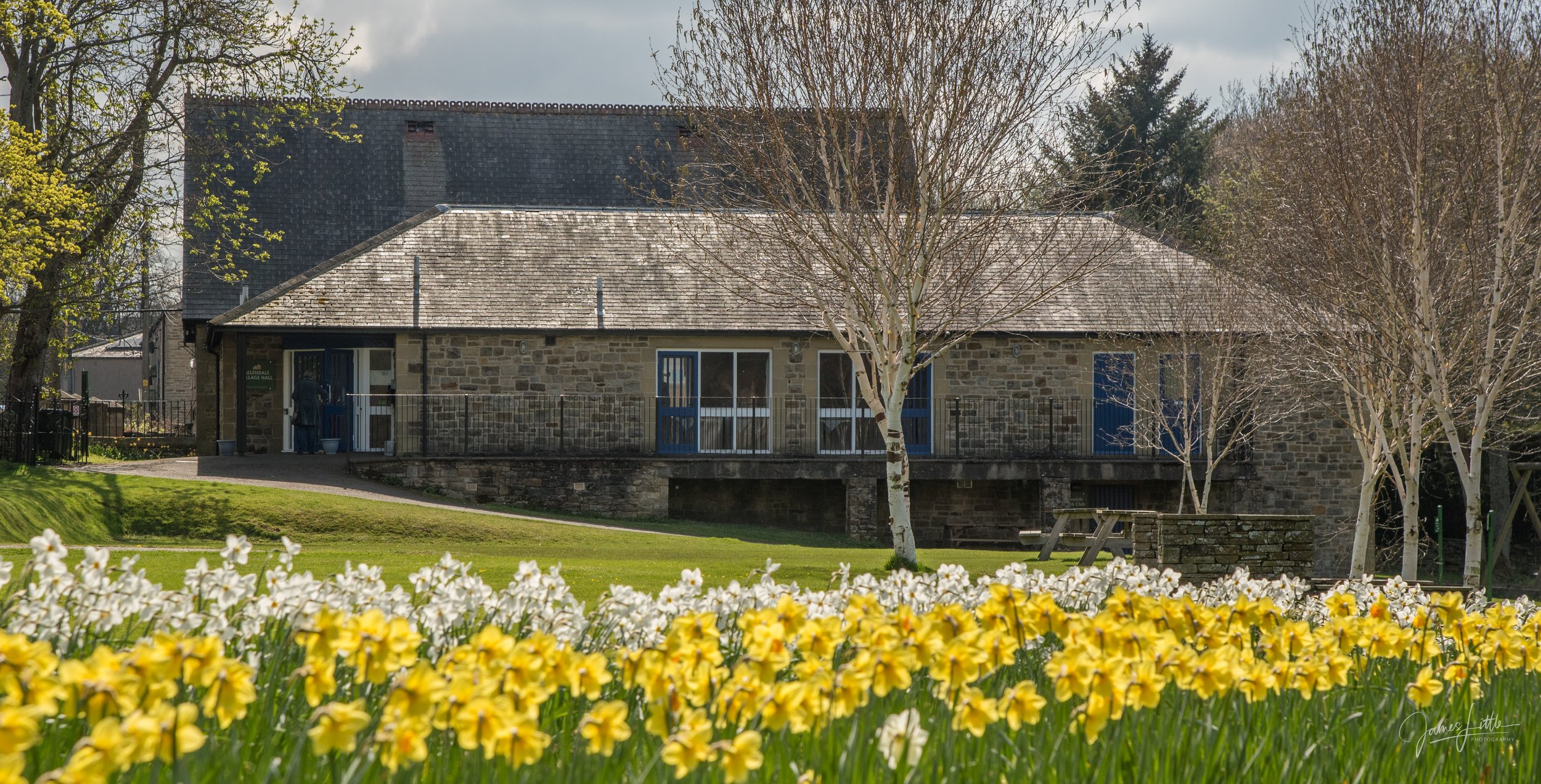
Nestled on the edge of the North Pennines, the village of Allendale comes alive in spring. I may be slightly biased, having grown up here, but it’s a fantastic place to photograph.
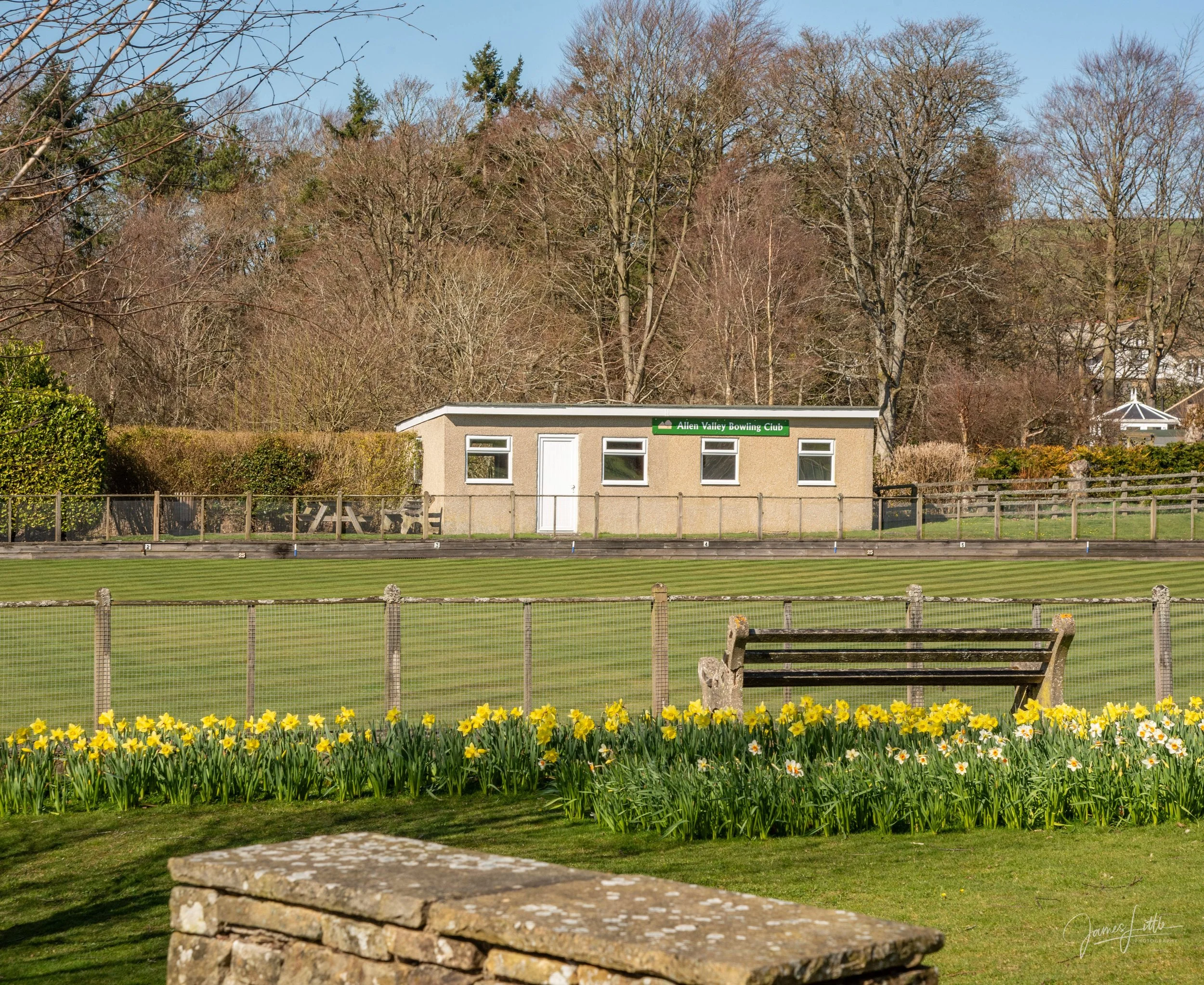
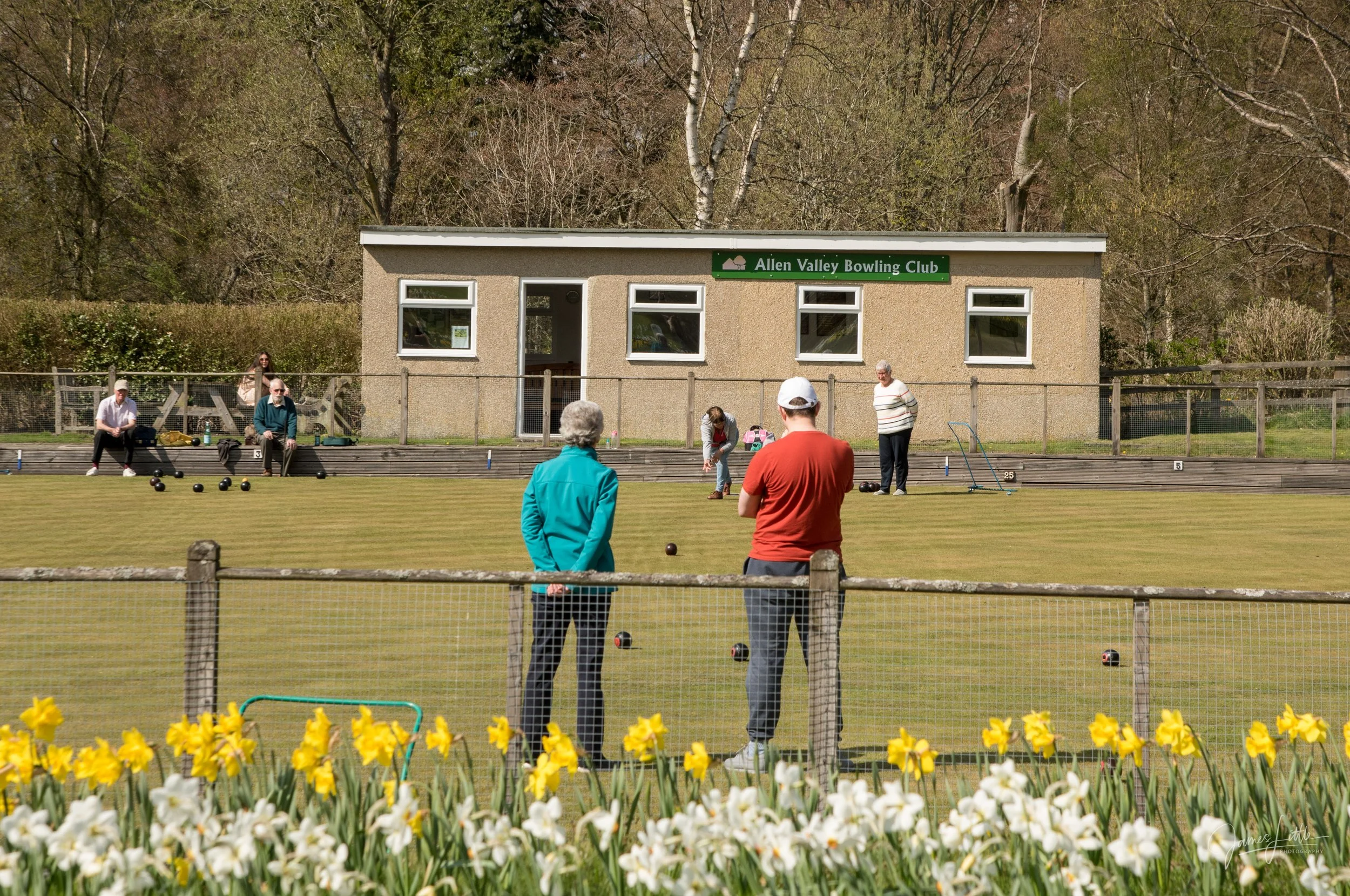
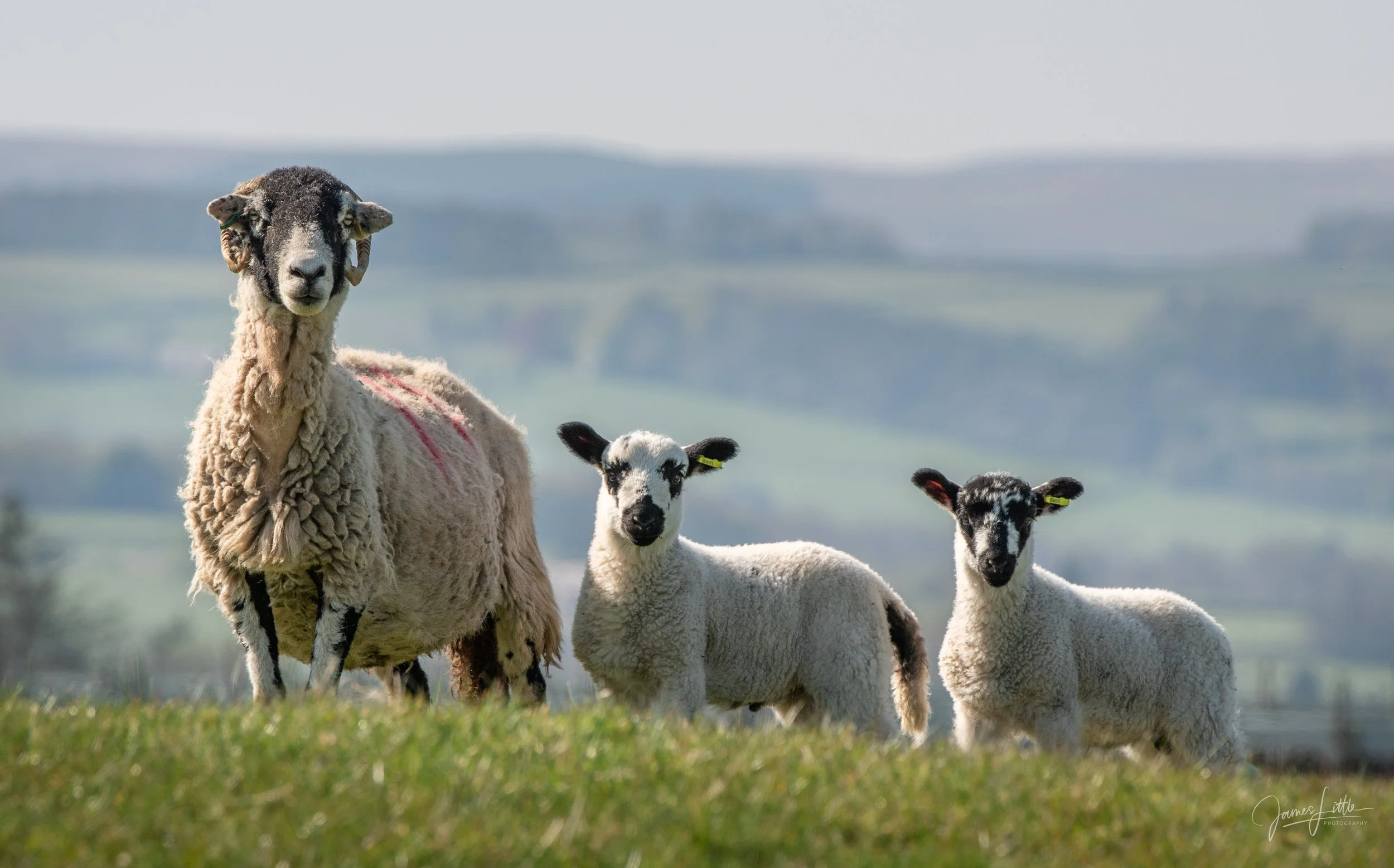
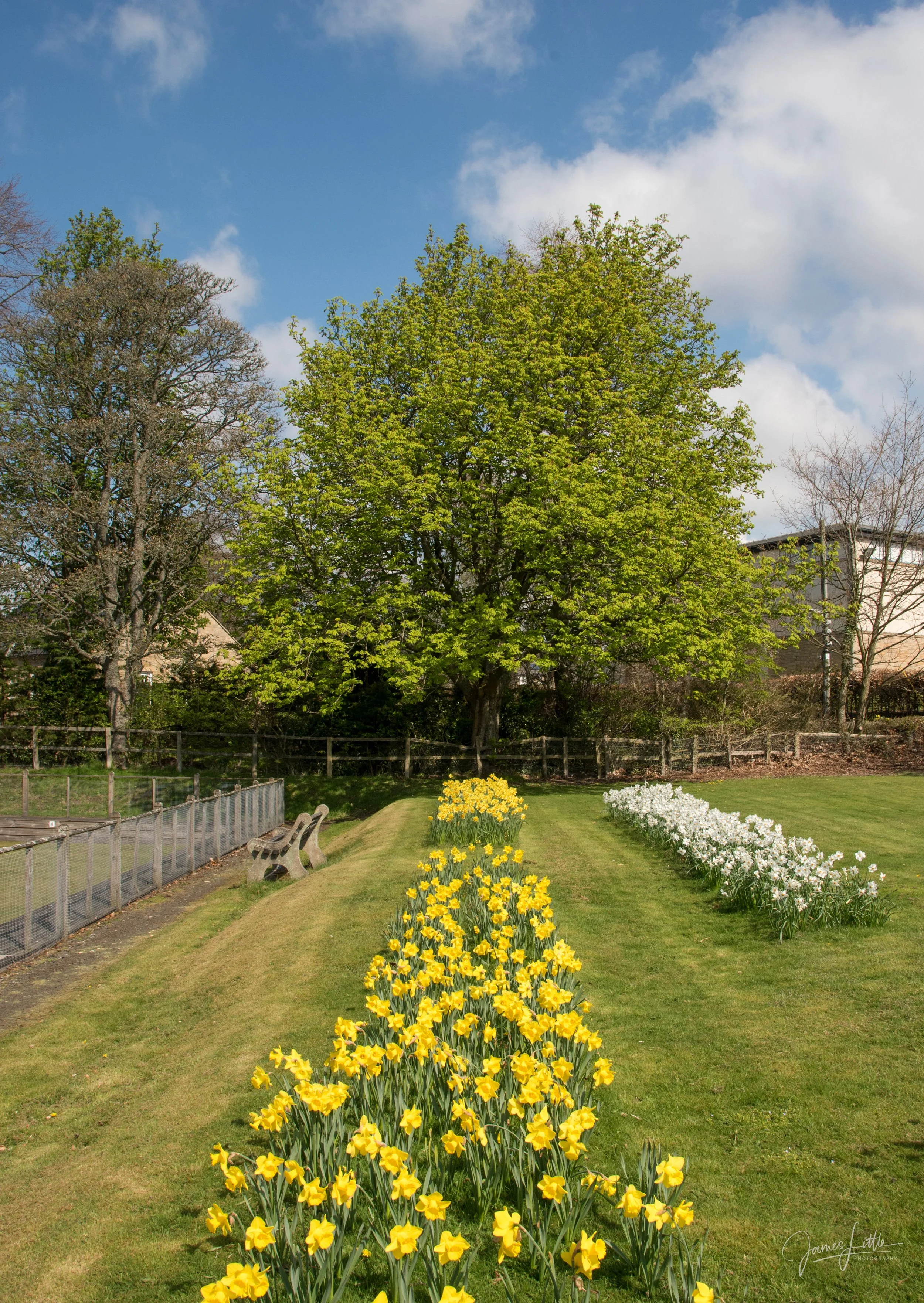
The park opposite the school is a great starting point, with clusters of daffodils particularly striking near the bowling green. A walk around the surrounding countryside reveals fields full of newborn livestock.
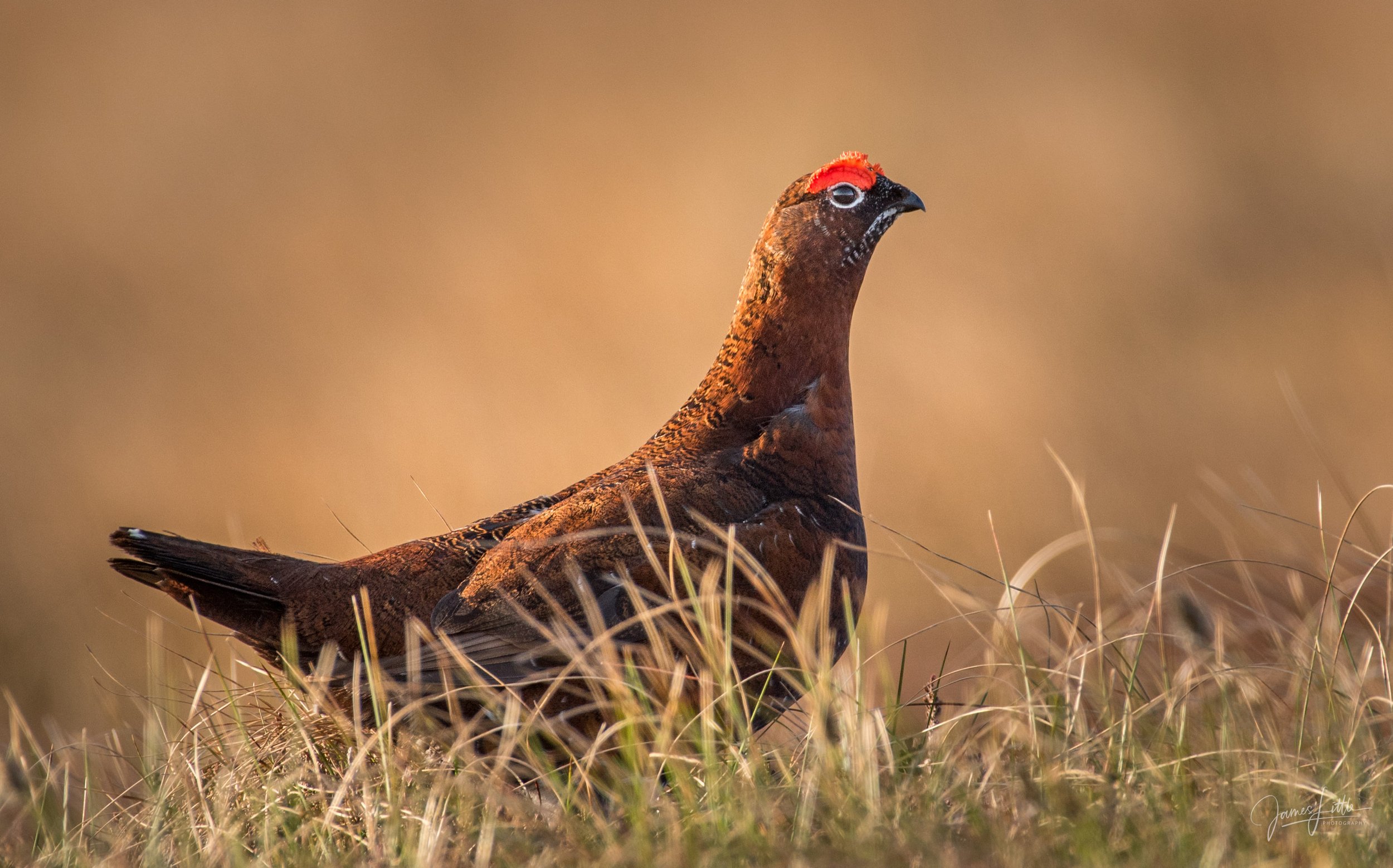
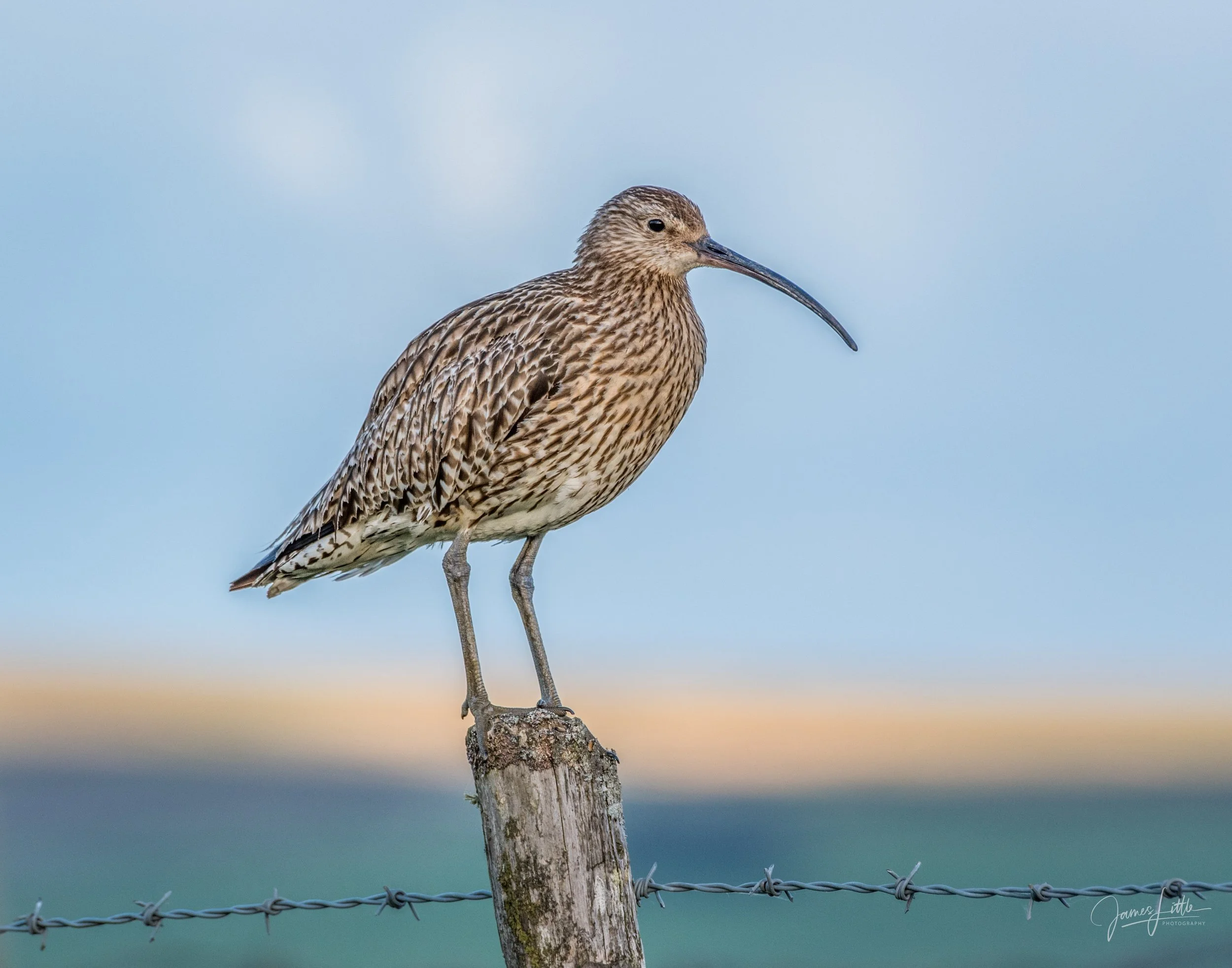
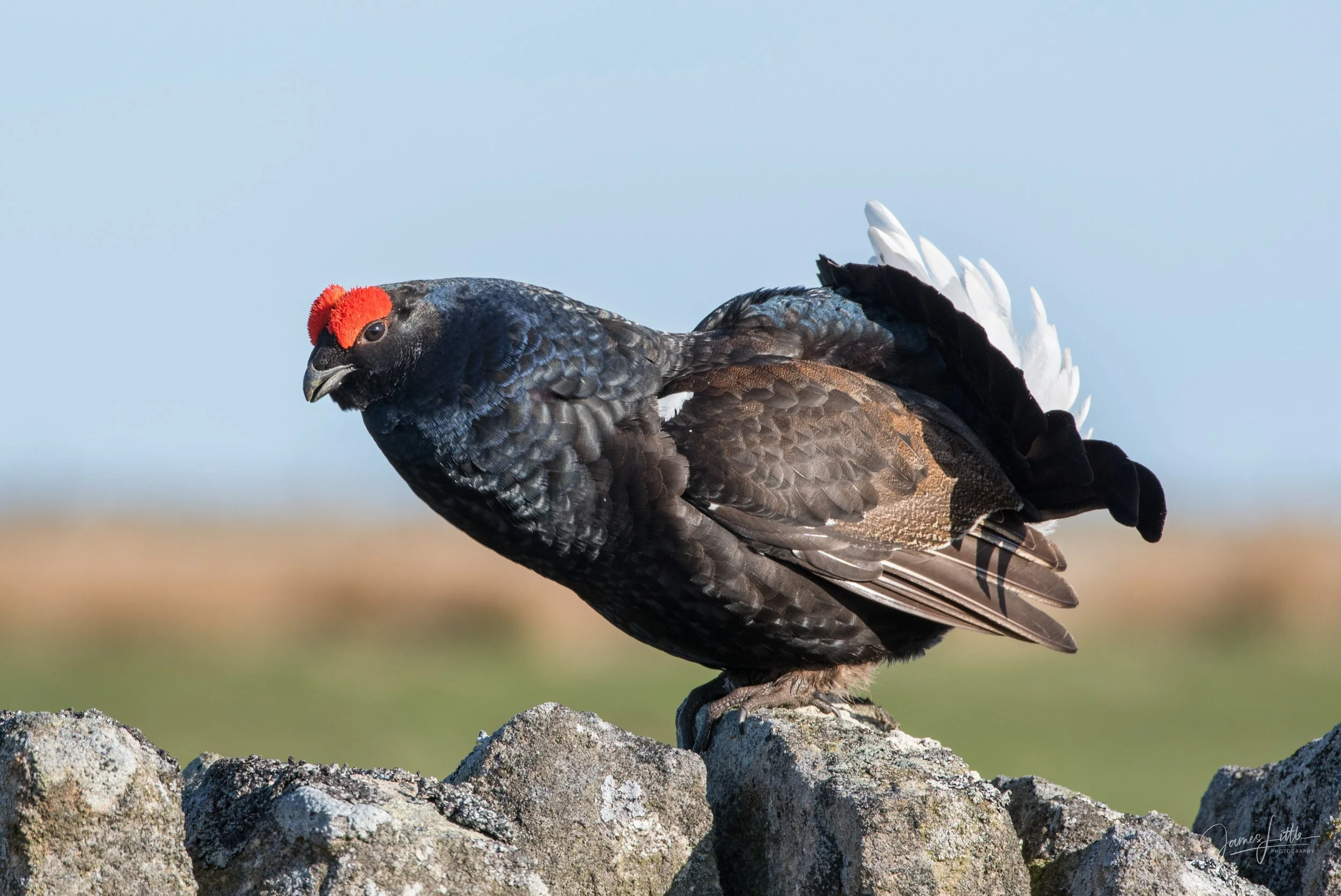
For something a little wilder, head towards Carrshield. Along the way, you’re likely to spot curlews, lapwings and oystercatchers returning to the moorland. The back road between Wooley and Sinderhope is another excellent location for birdlife.
Morpeth
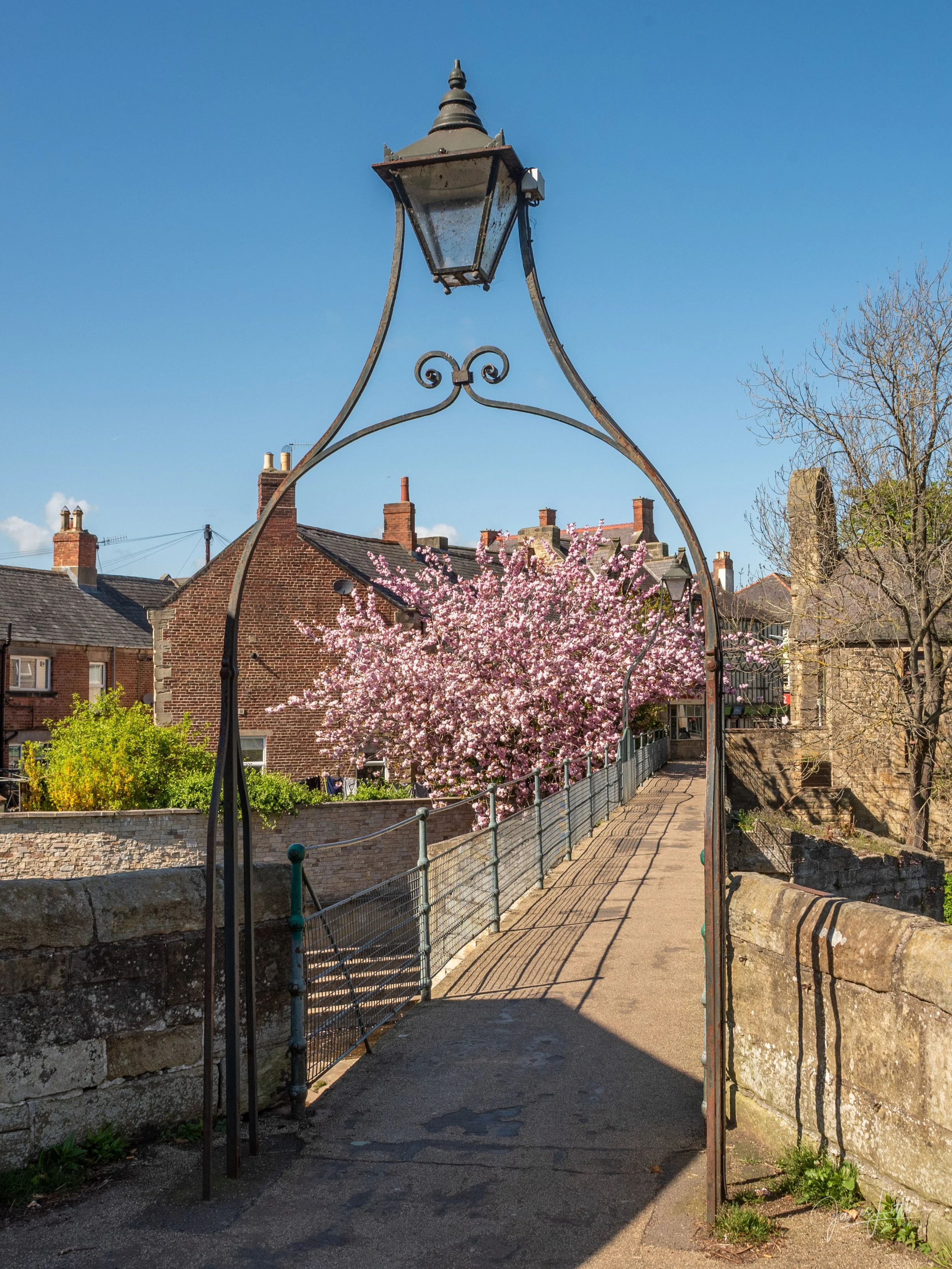
Much like Hexham, Morpeth is well known for its spring flowers and blossom. On the approach to town, just past the Sun Inn, a small arboretum filled with flower beds and blossom trees makes a great first stop.
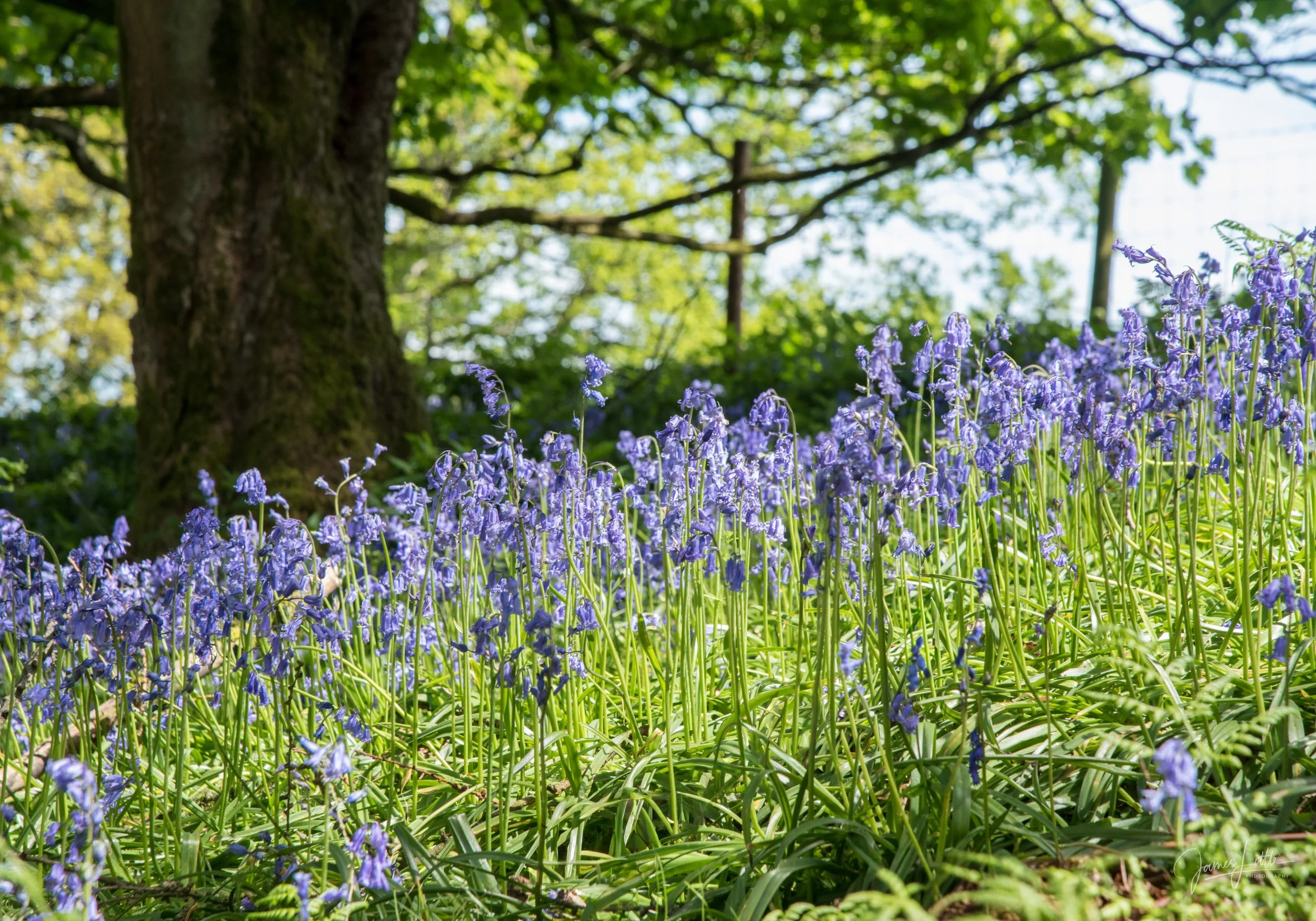
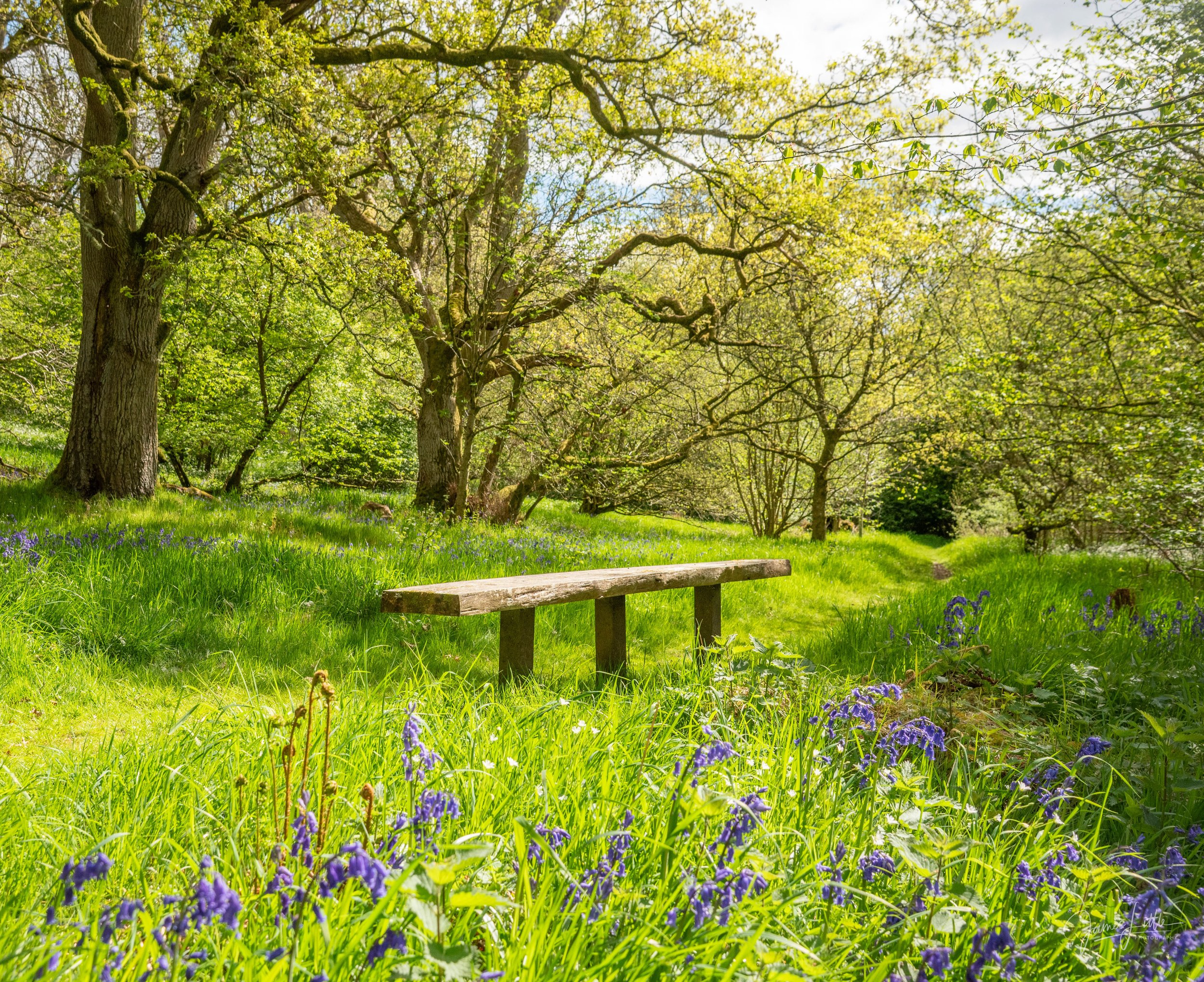
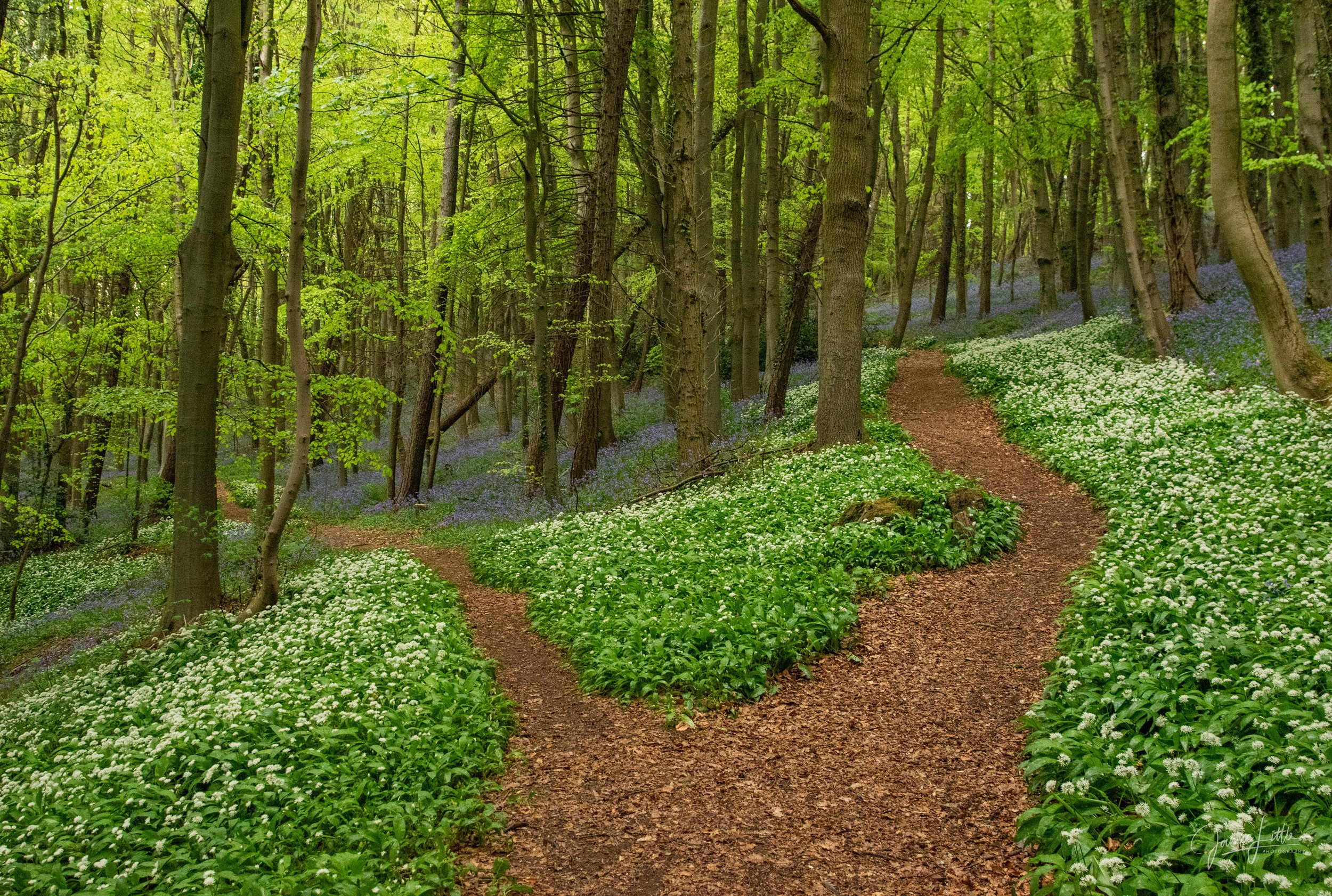
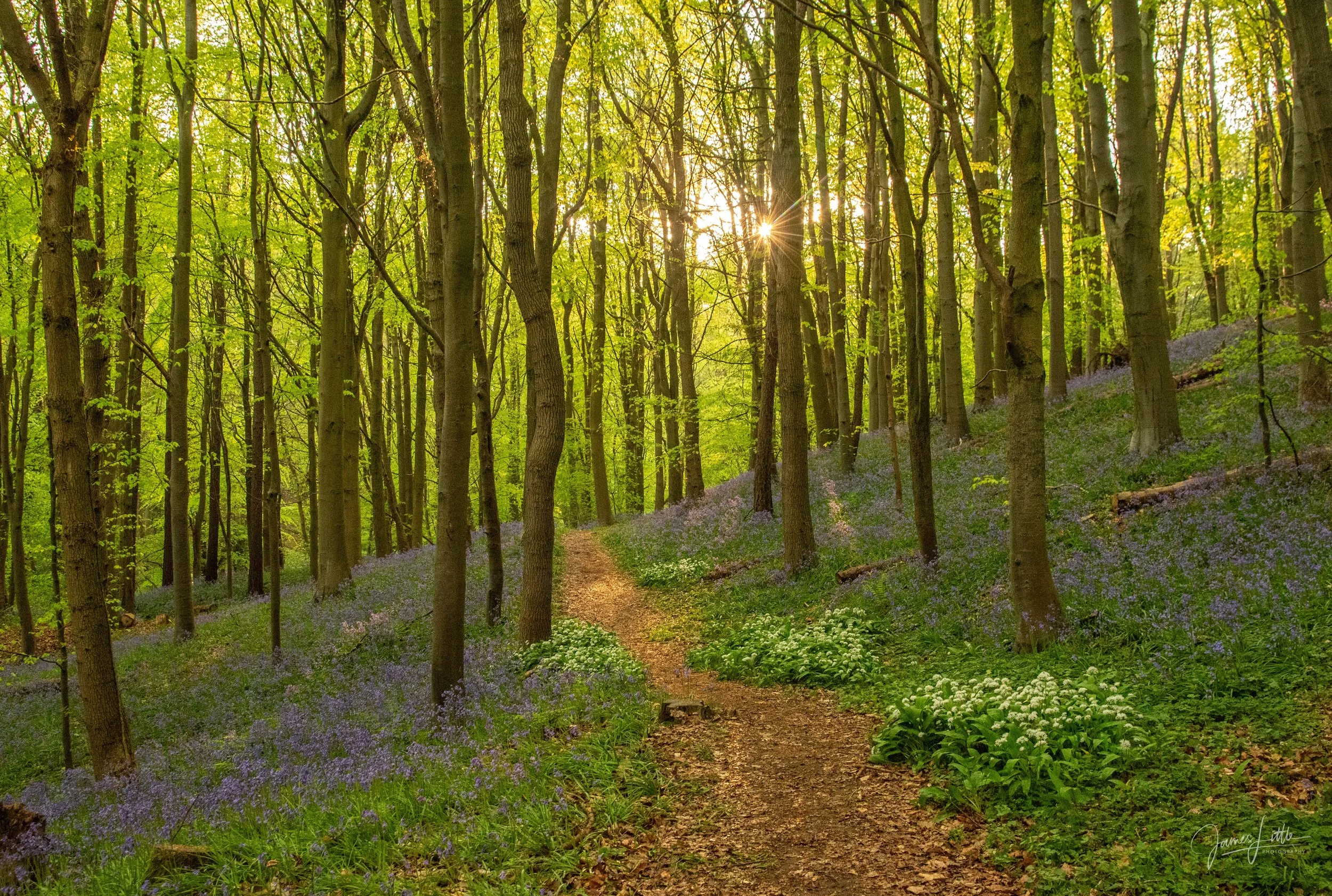
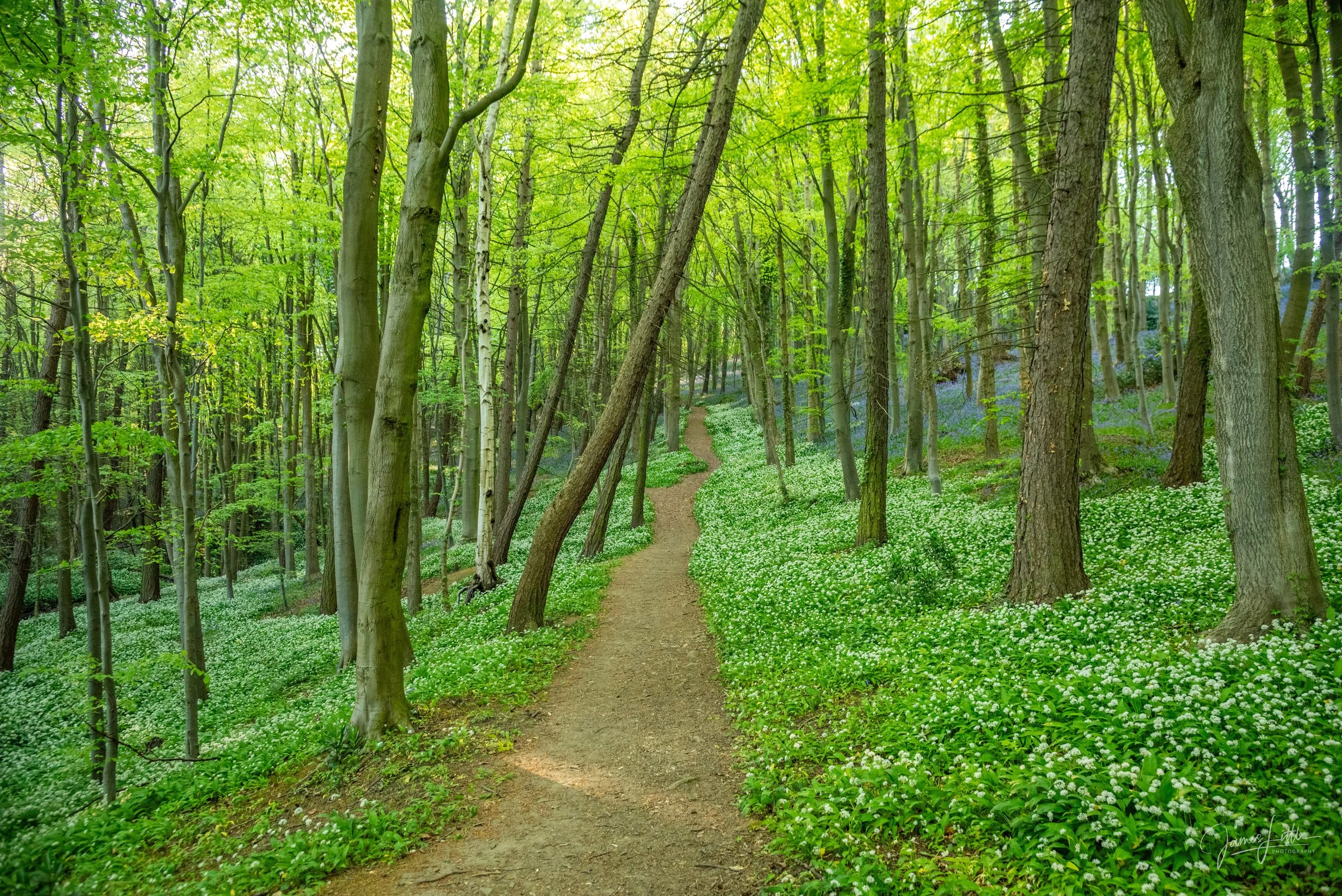
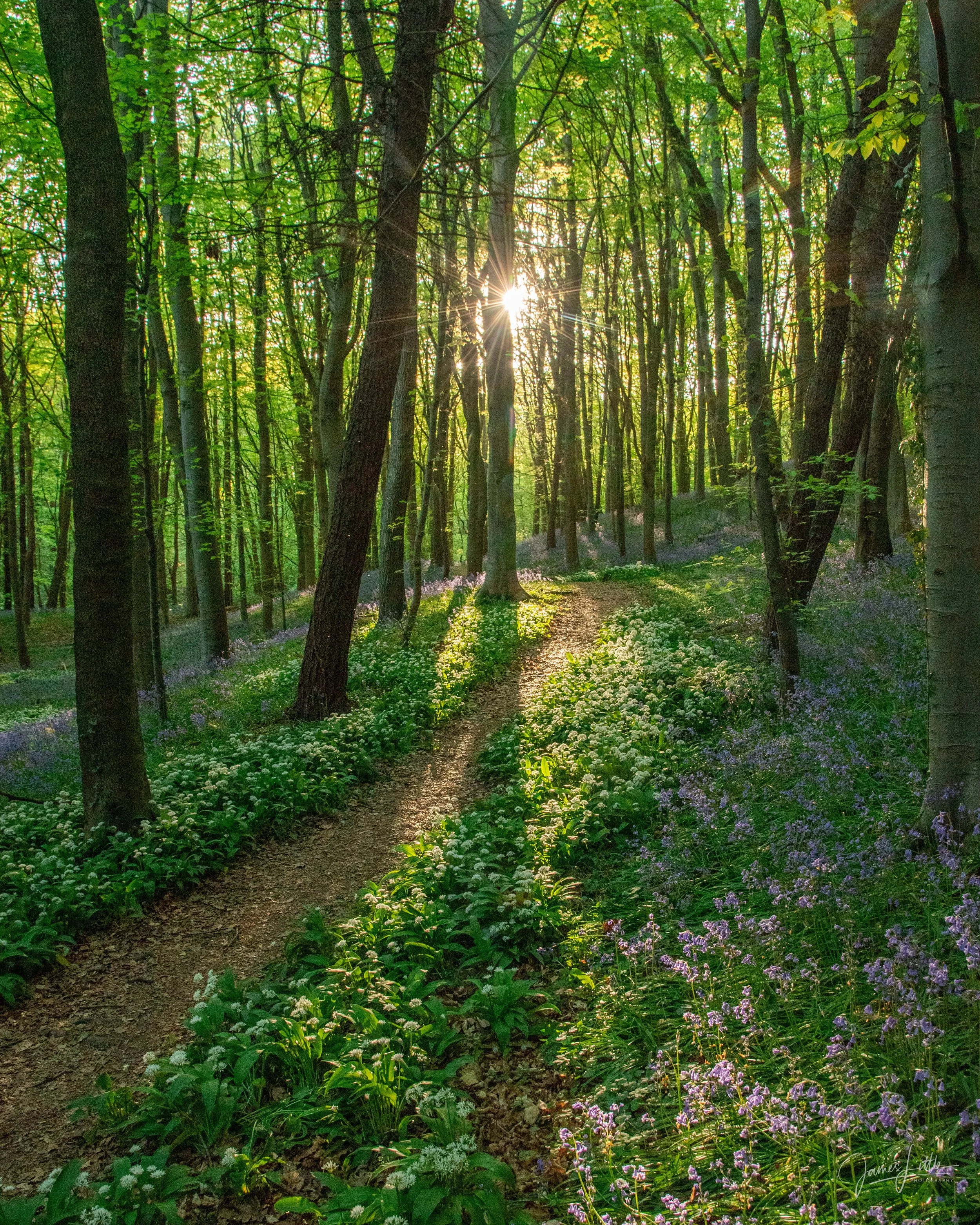
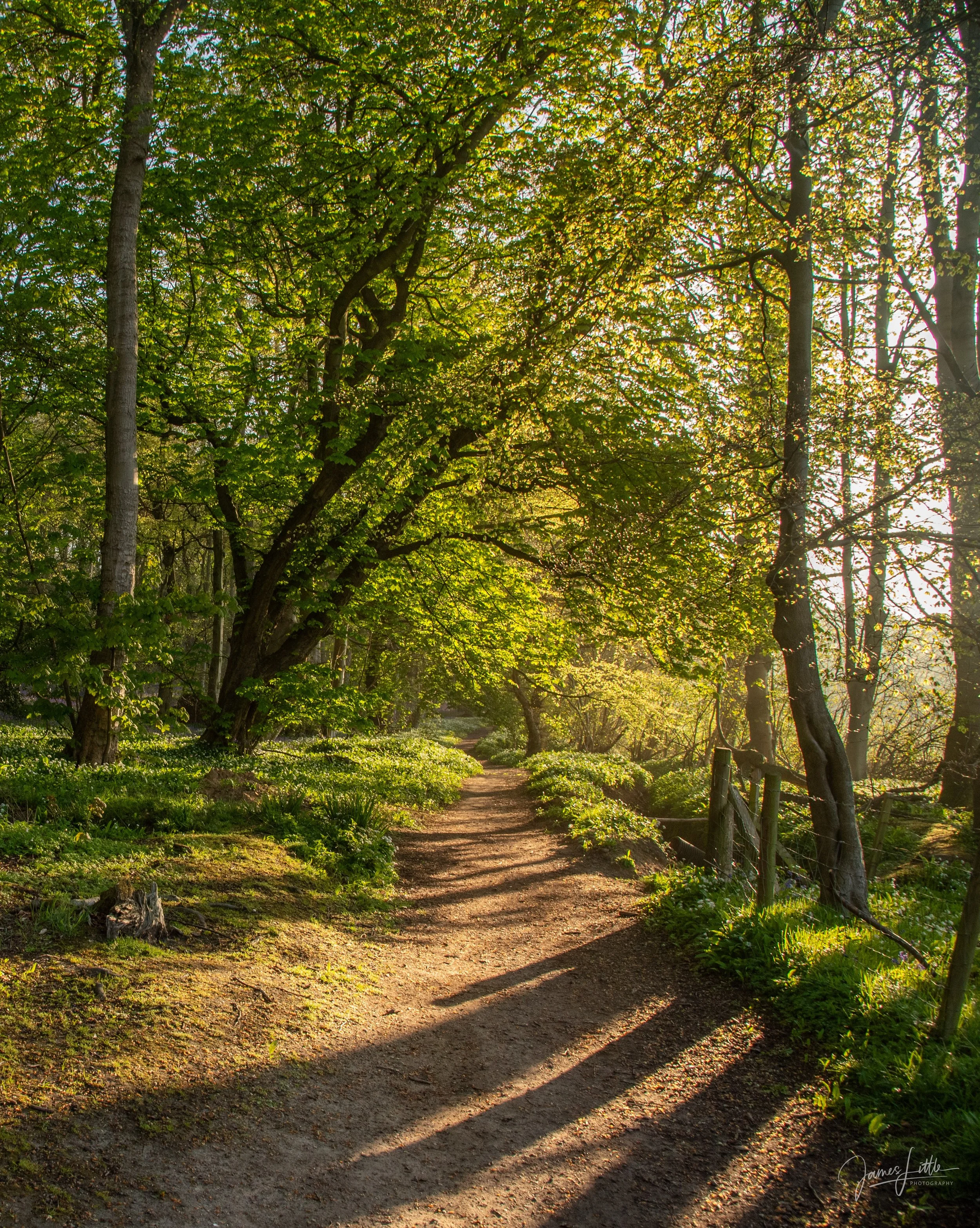
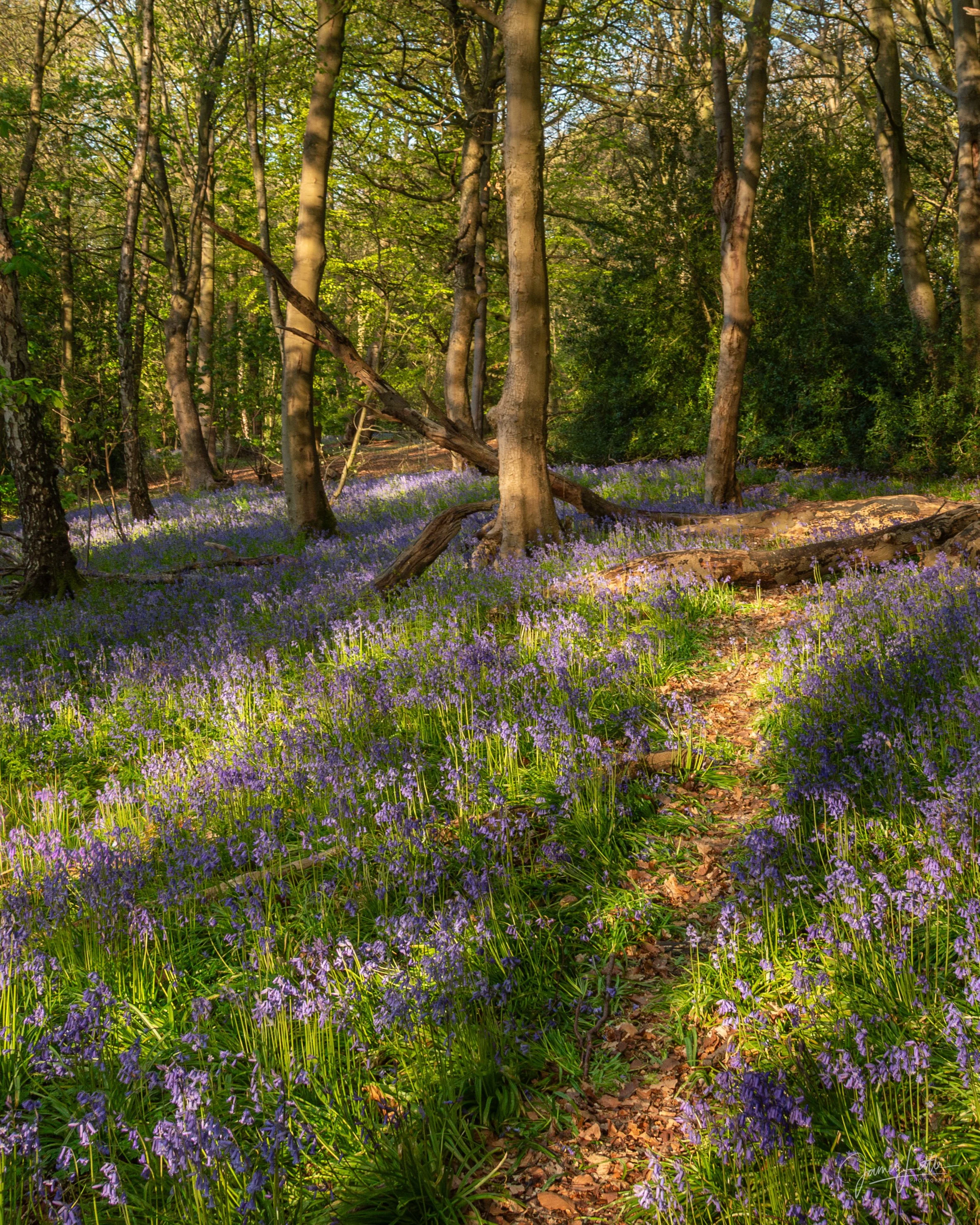
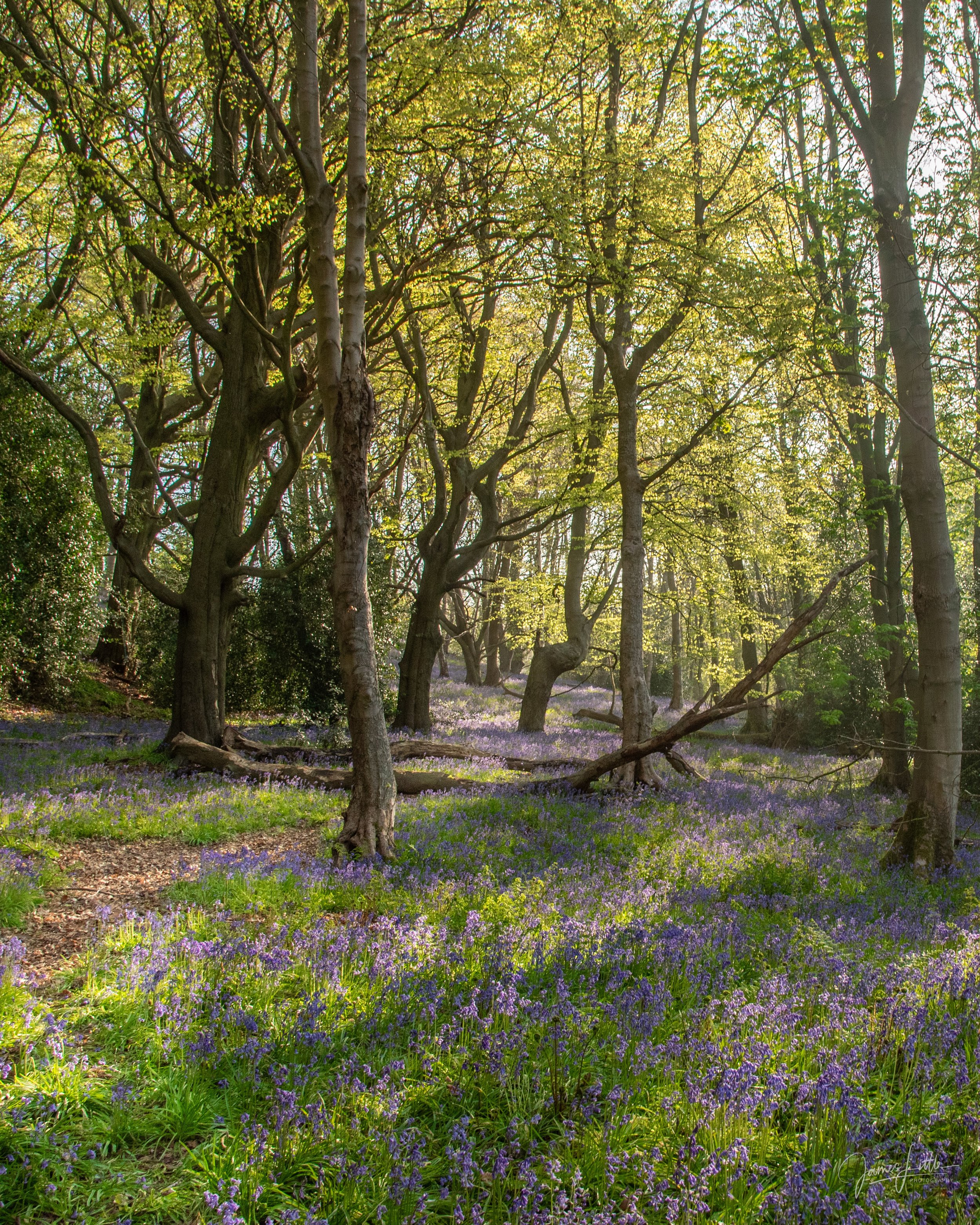
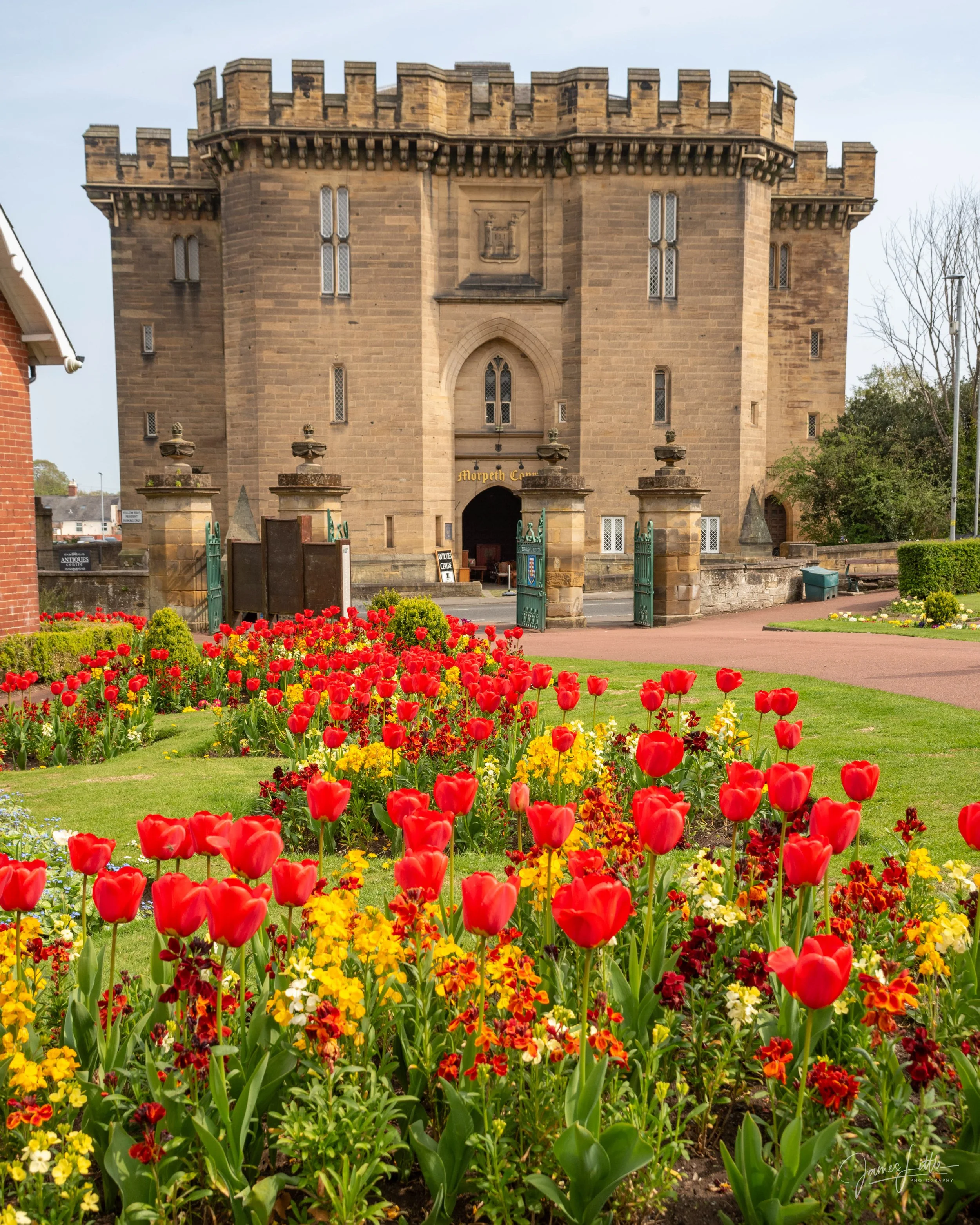
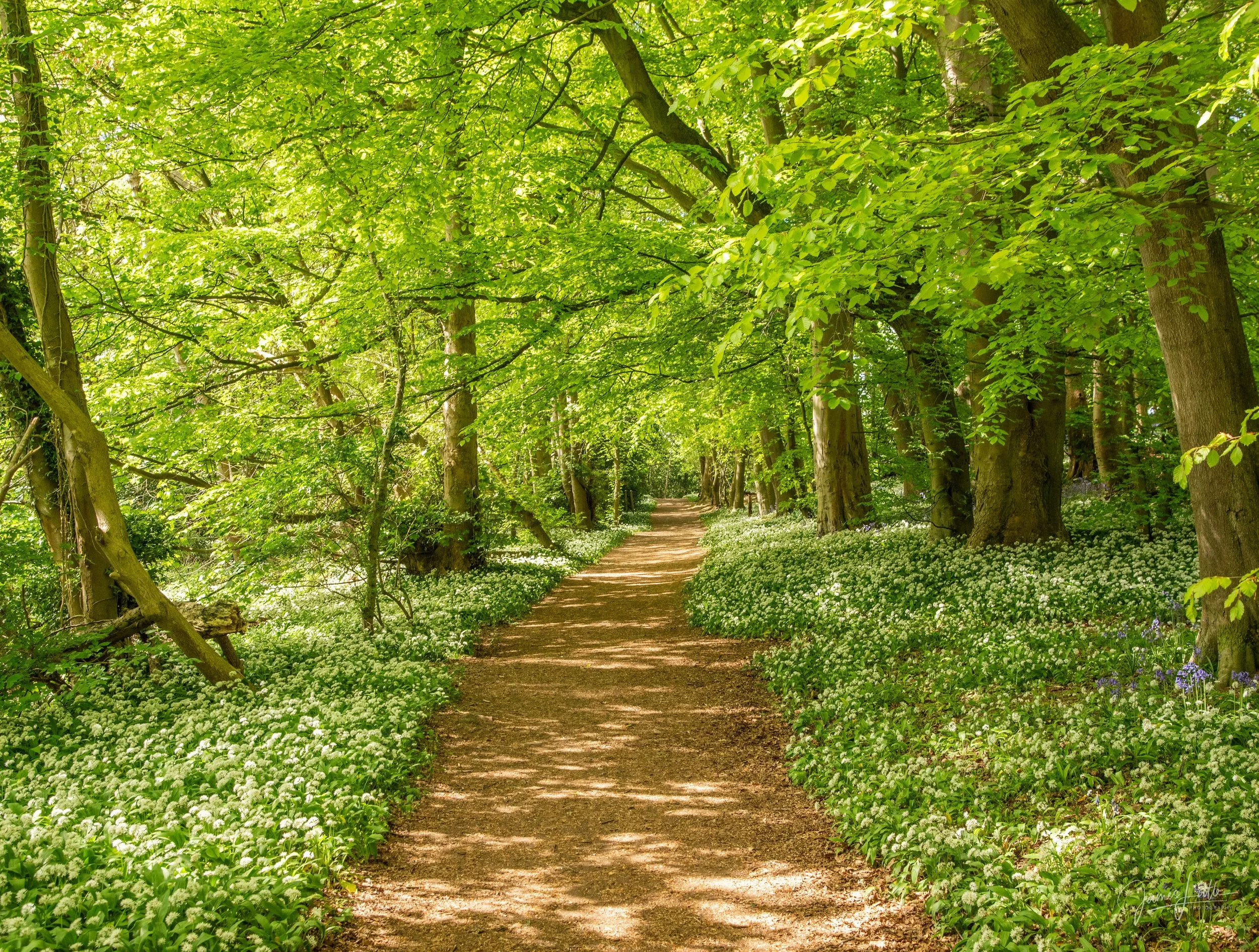
Further down the hill, opposite the old courthouse in Carlisle Park, you’ll find colourful displays of tulips and other spring flowers. The real highlight, however, is the bluebell wood on the edge of town. Just before climbing Whorral Bank, there’s a small layby, park here and explore the woodland to your left. From mid-April, bluebells and wild garlic blanket the ground, with plenty of paths to find that perfect composition.
Dark Skies
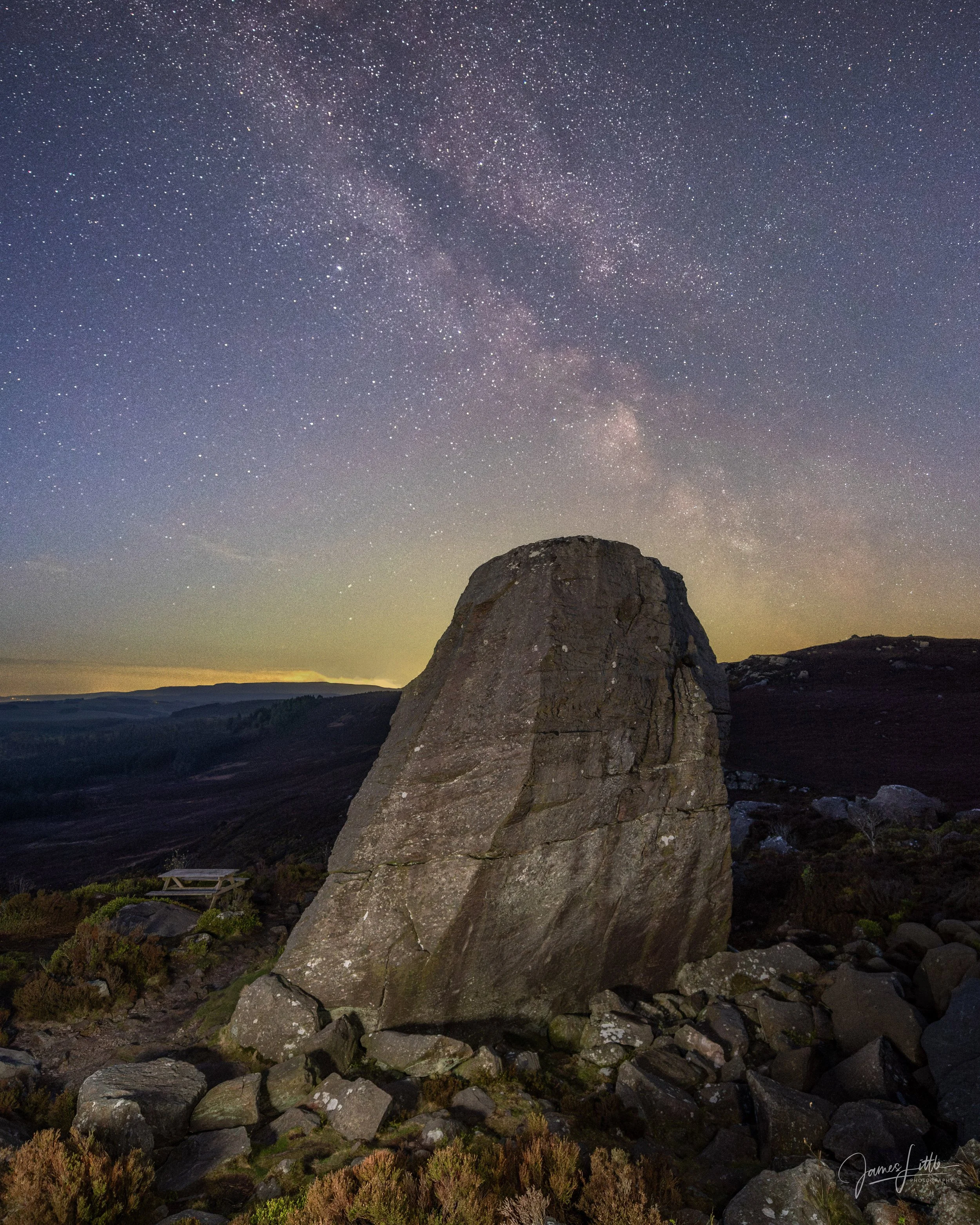
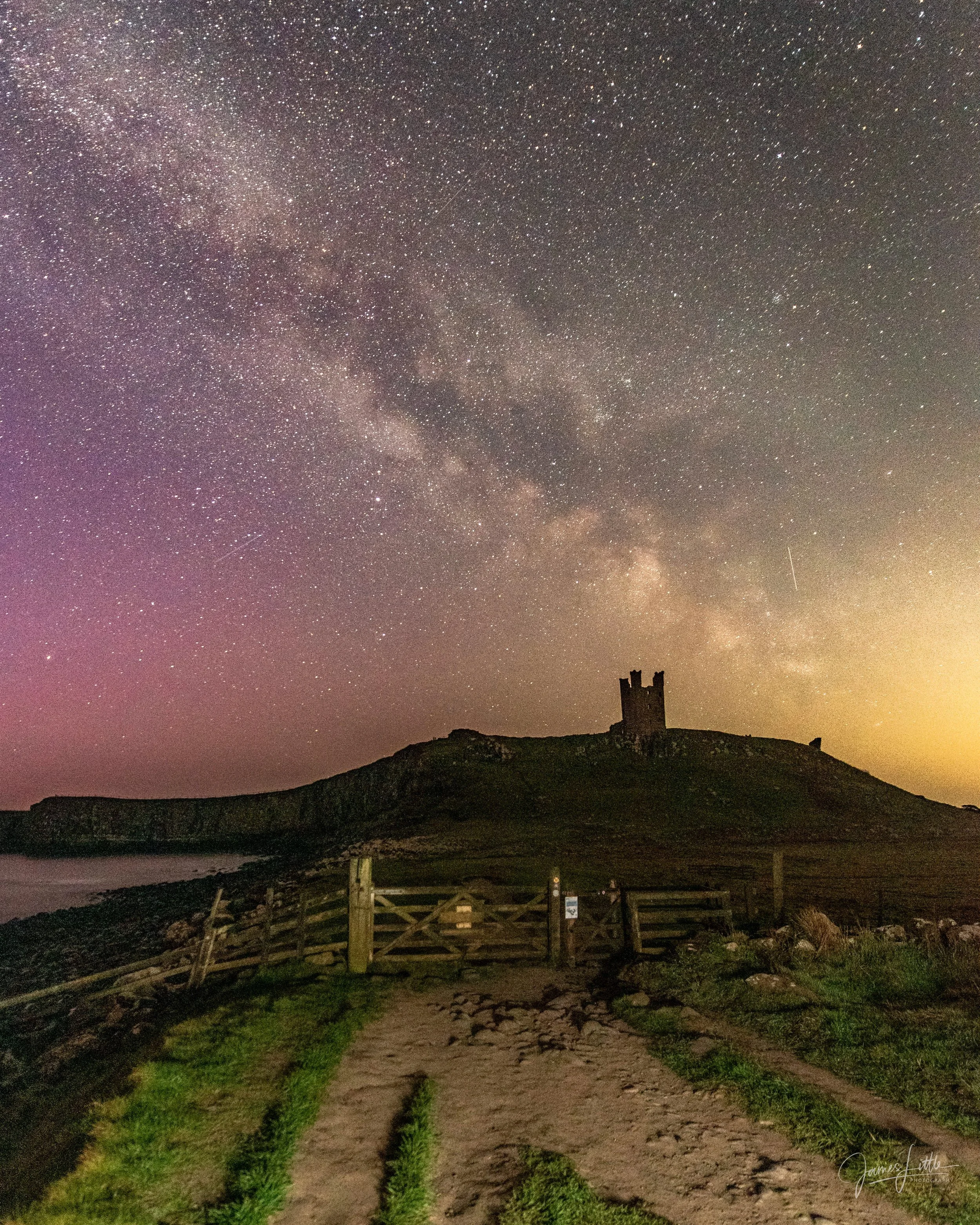
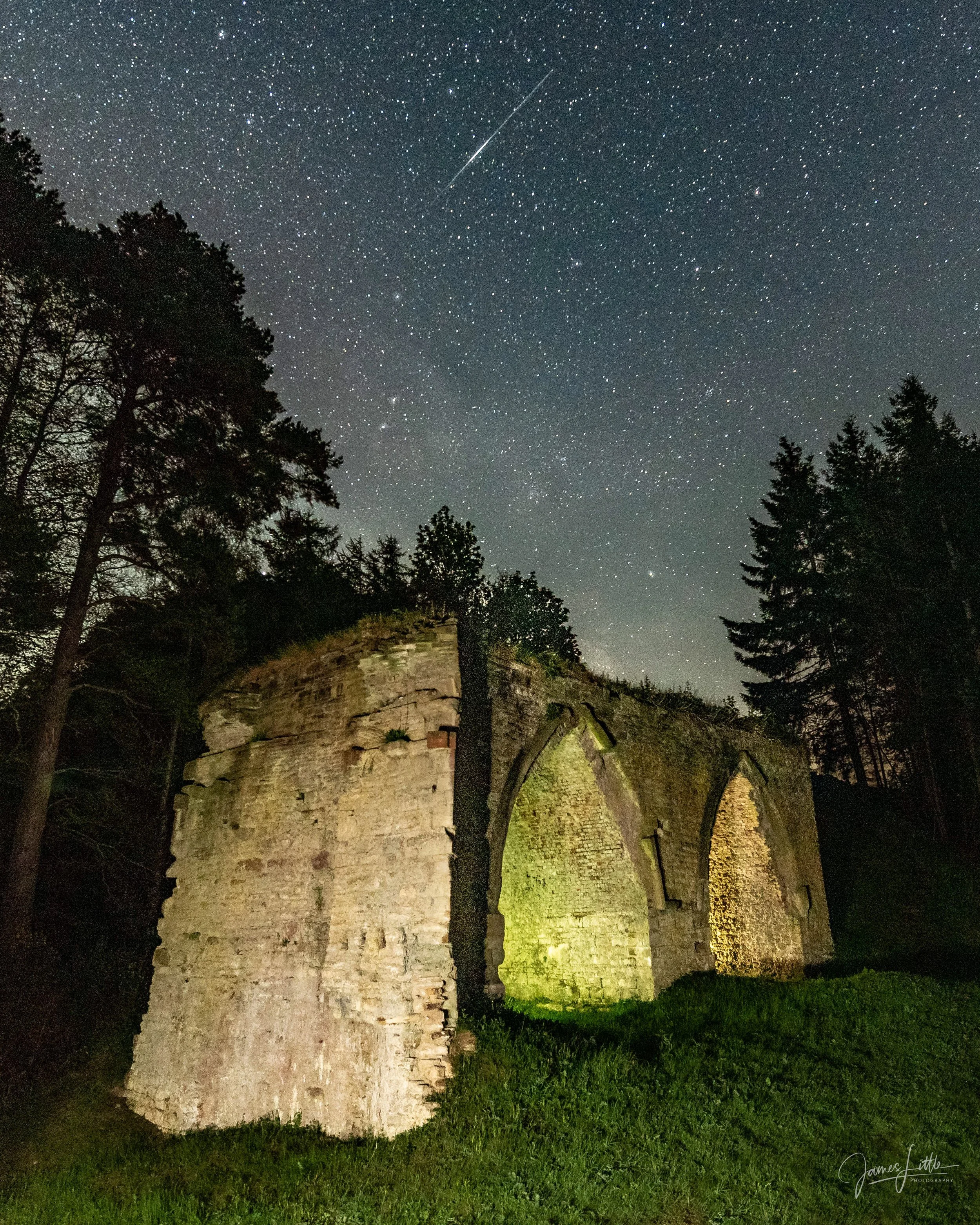
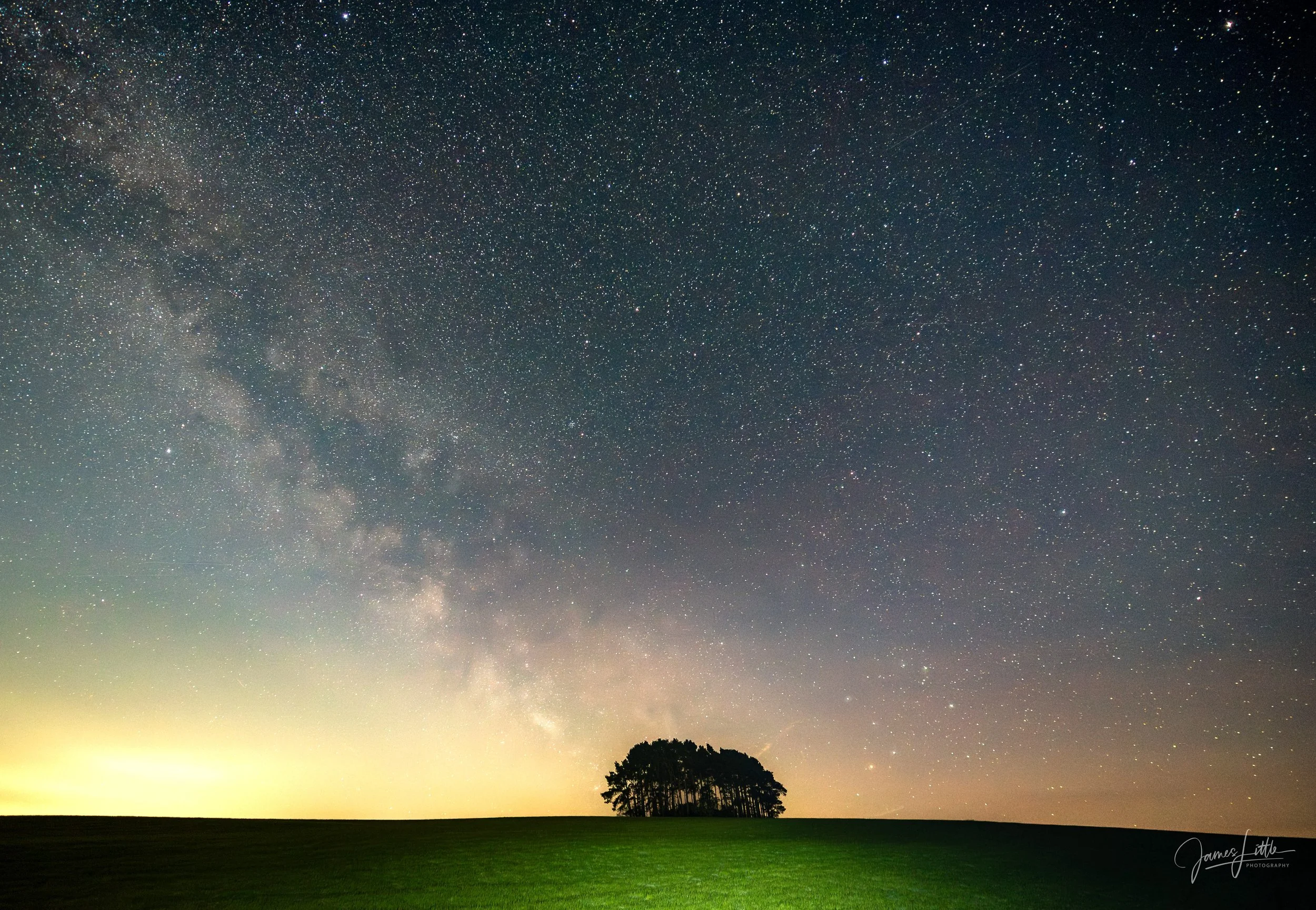
Northumberland is home to some of the darkest skies in England, making it ideal for astrophotography. In spring, the Milky Way core becomes increasingly visible. Head inland or to the coast in the early hours of a clear night, look east, and you’ll see it arch across the sky.
Around the spring equinox, there’s also a greater chance of auroral activity, so if you’re lucky, you might even catch a glimpse of the Northern Lights.
Bluebell Woods
Beyond Morpeth, there are plenty of other bluebell woods worth exploring. One standout is near Bothal, where woodland to the east of the village fills with both bluebells and wild garlic, equally striking in their own right.
Other spots to consider include:
Tony’s Patch, Haydon Bridge
Irthing Gorge, Gilsland
Allen Banks, Bardon Mill
Woodland near Red Path Farm, Haltwhistle