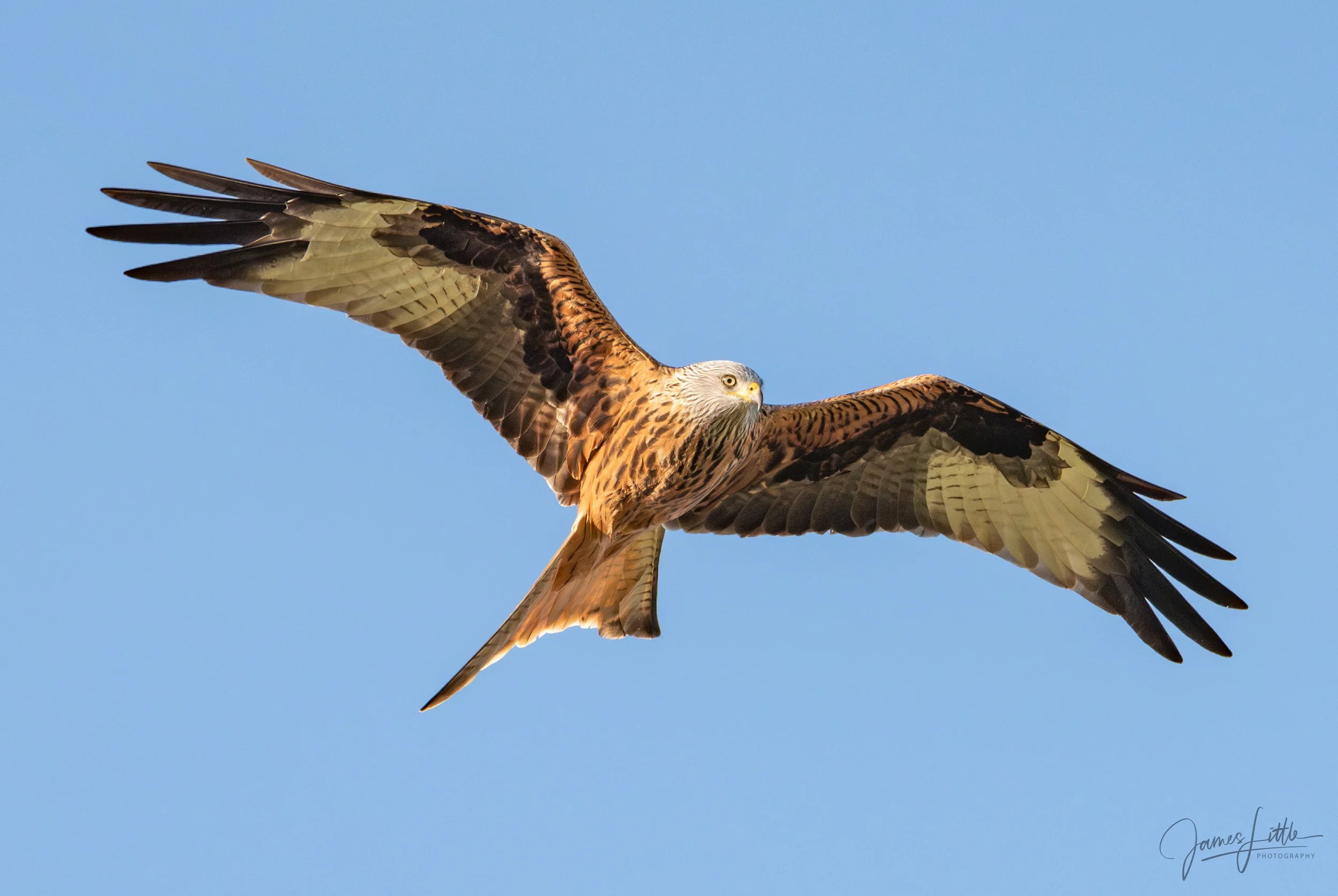
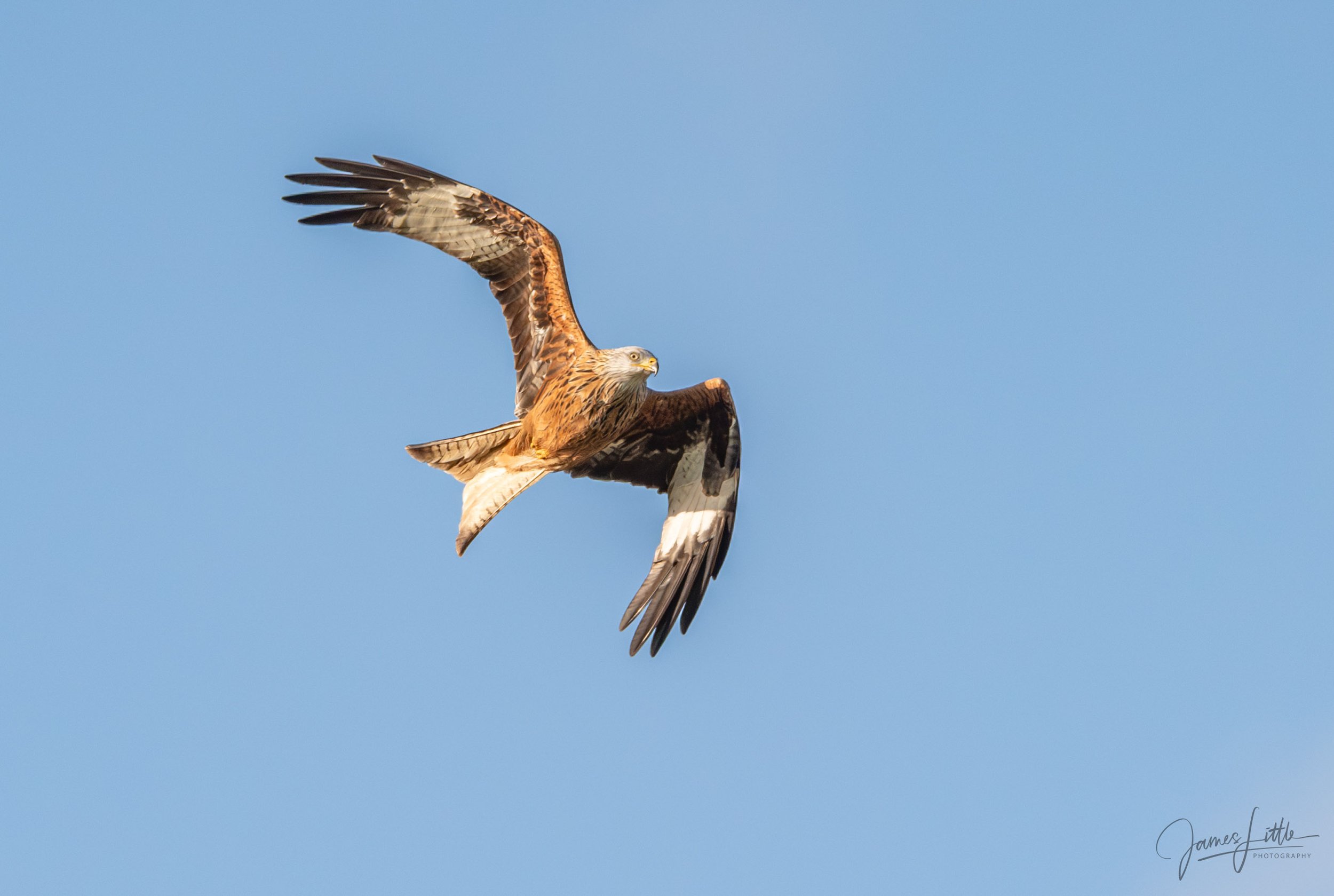
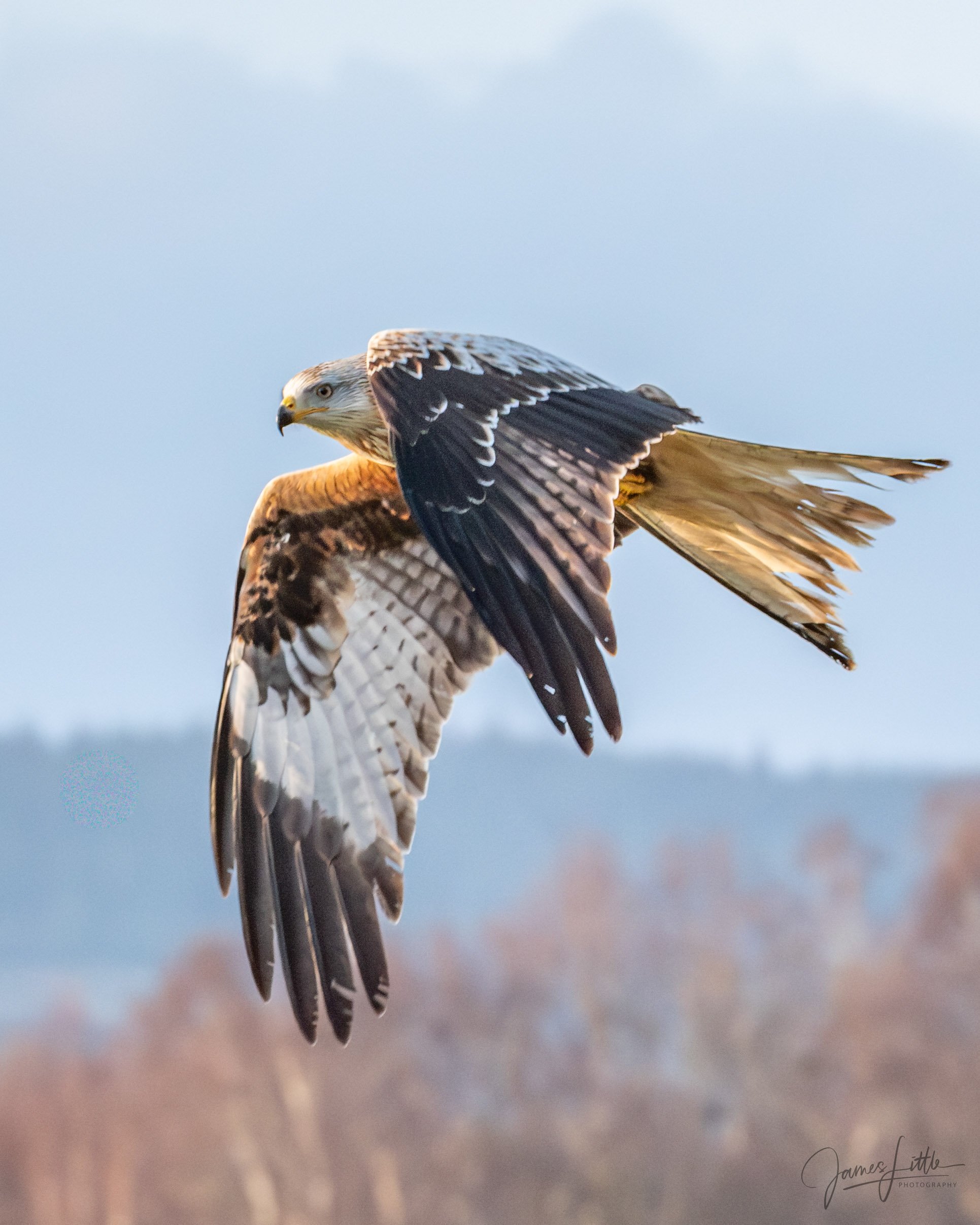
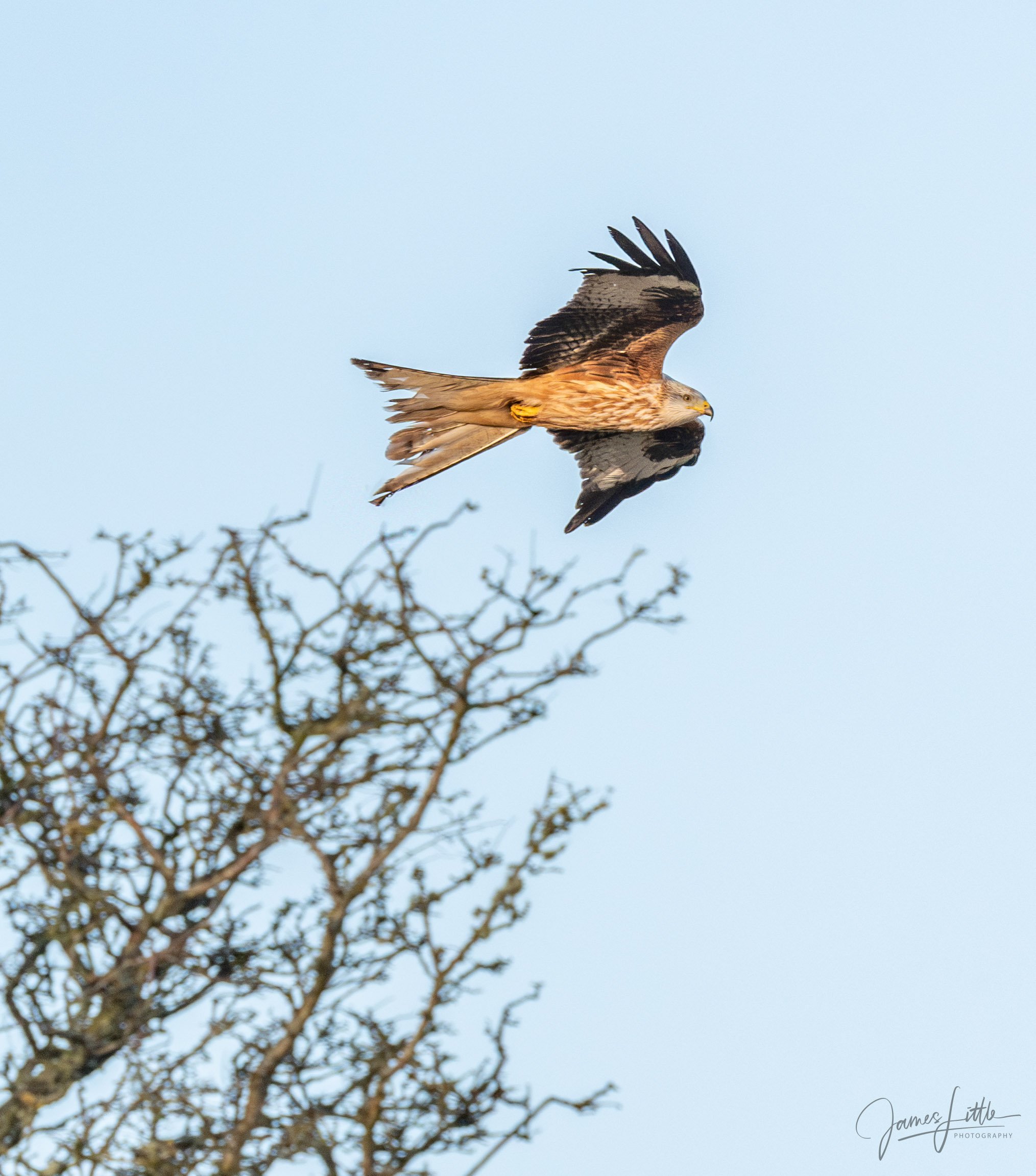
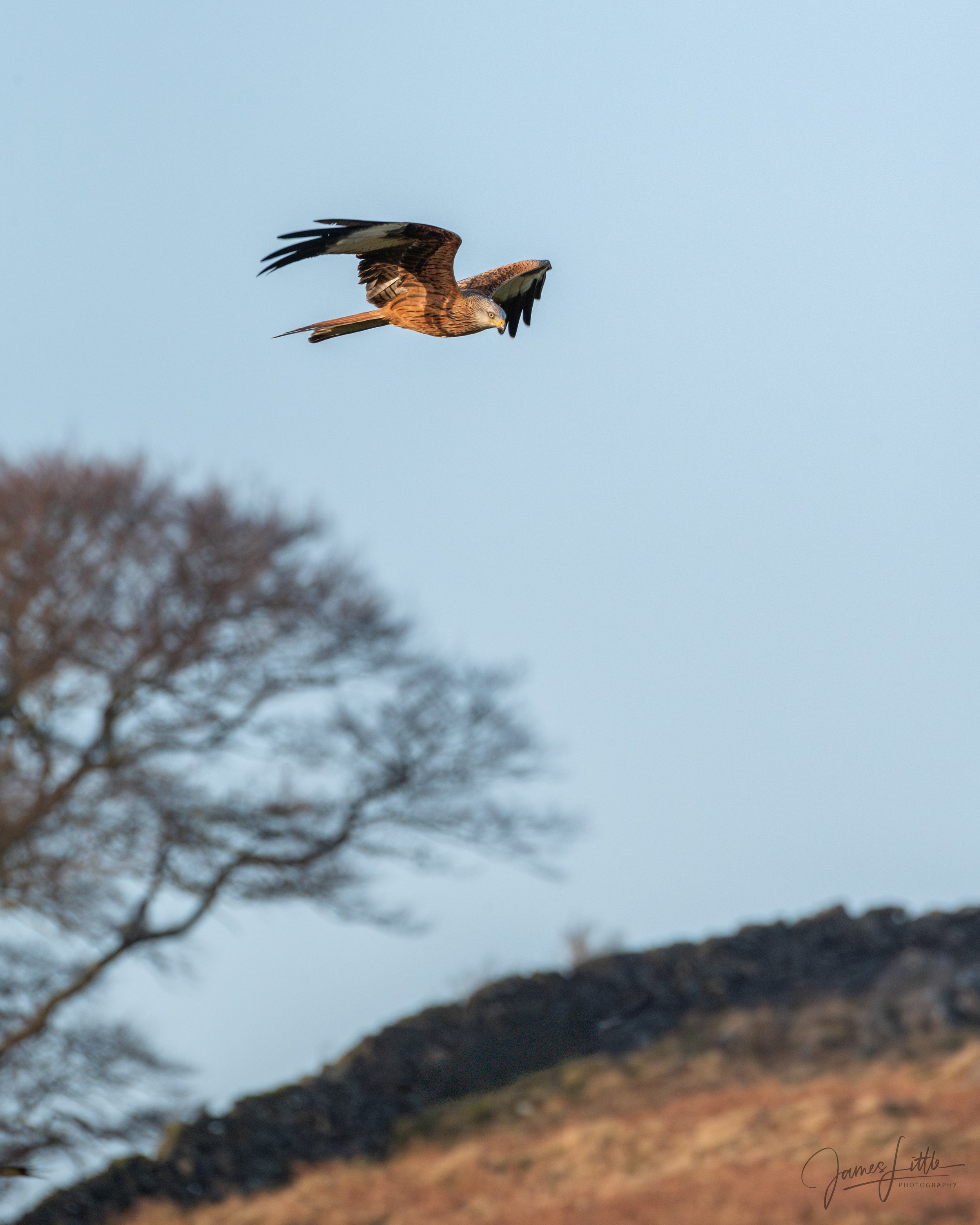
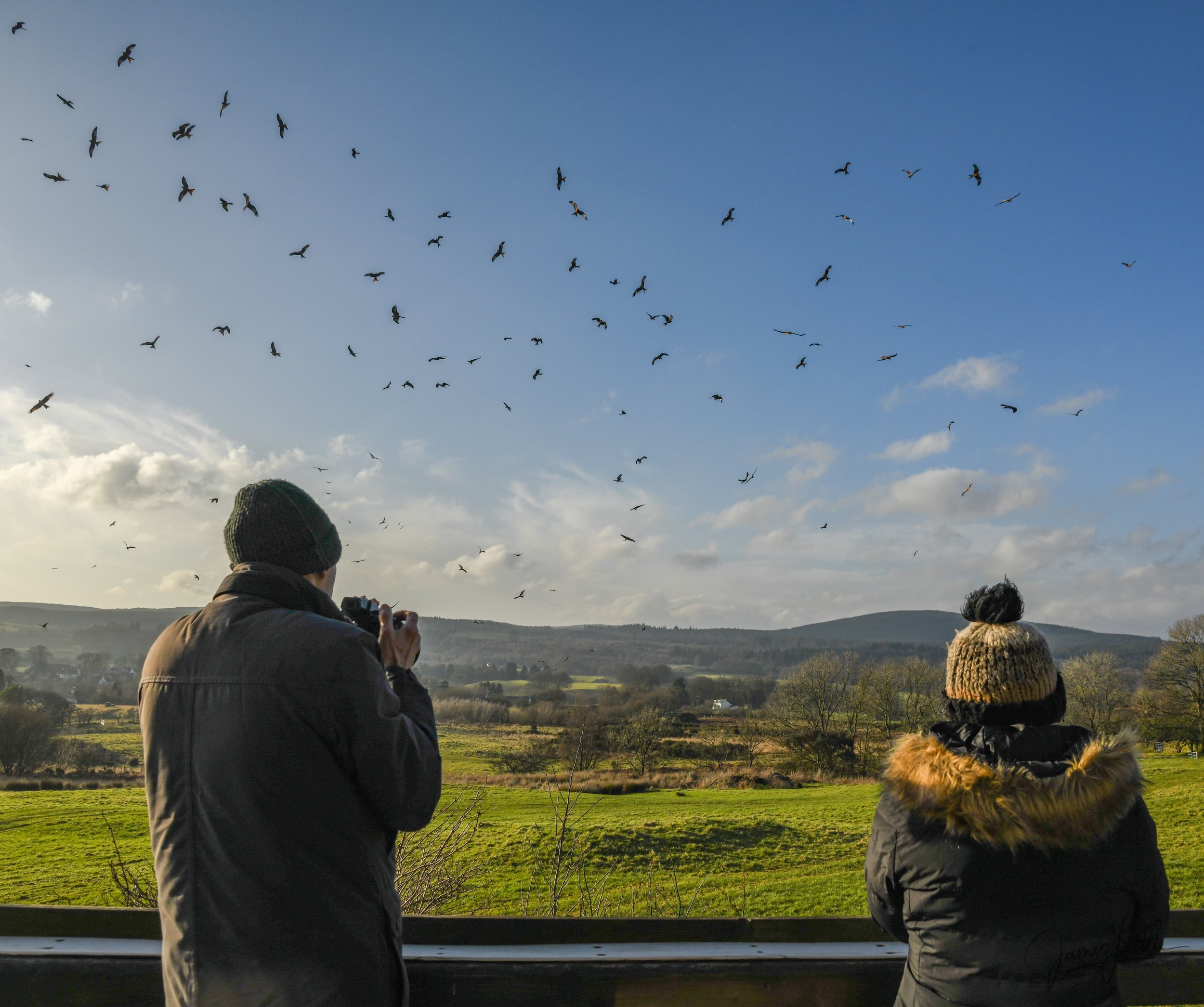
Red Kites Centre, Laurieston
Being a keen wildlife photographer, I’m always on the lookout for opportunities to photograph species I haven’t captured before. Red kites have been high on that list for a while and I’d heard plenty about the Ballymack Hill Farm red kite feeding station, near Laurieston in Dumfries and Galloway. The only downside was the distance it’s a long drive there and back and as with most things, finding the time isn’t always easy. However, while I was already in the area with a free afternoon to spare, I decided this was the perfect opportunity to finally pay a visit.
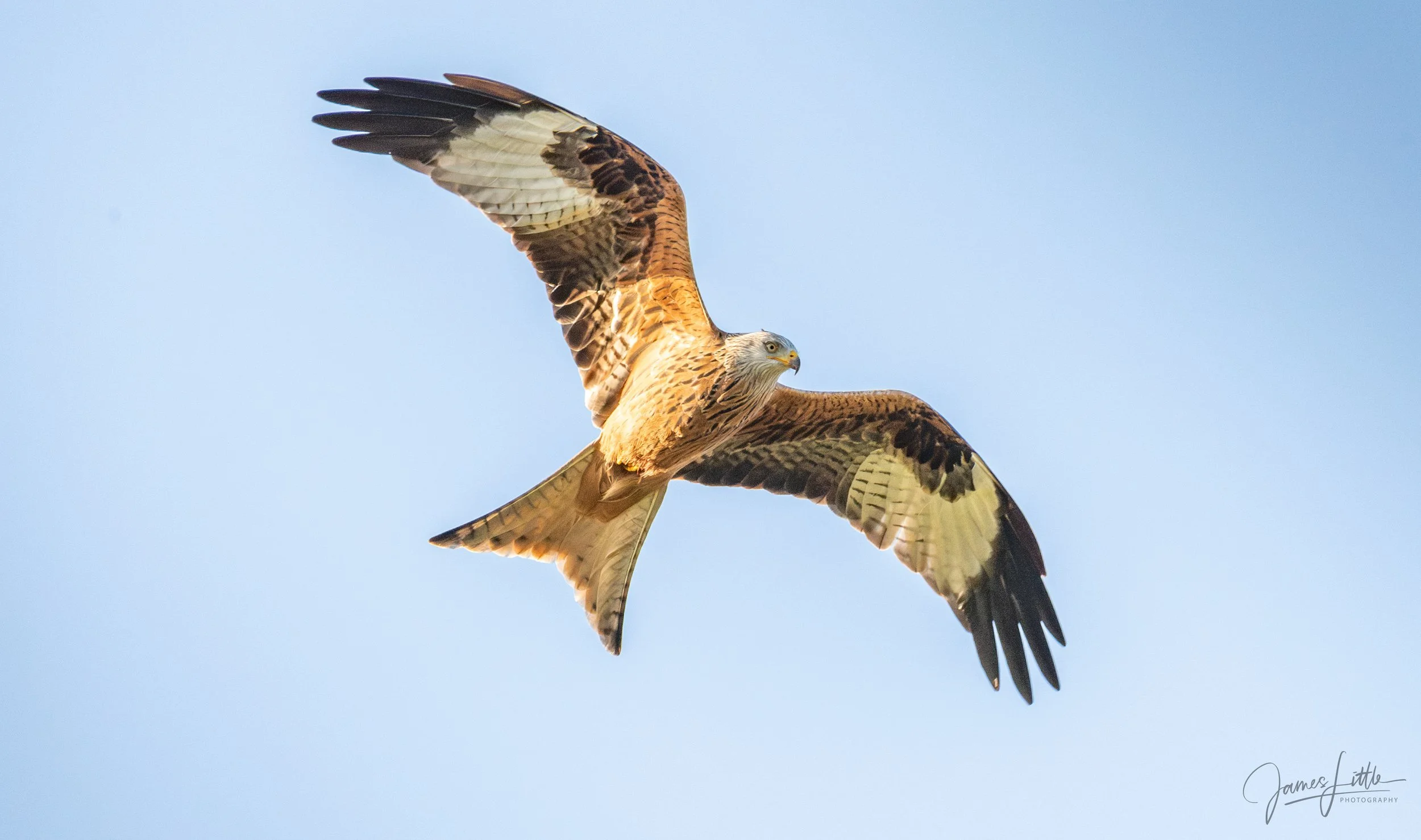
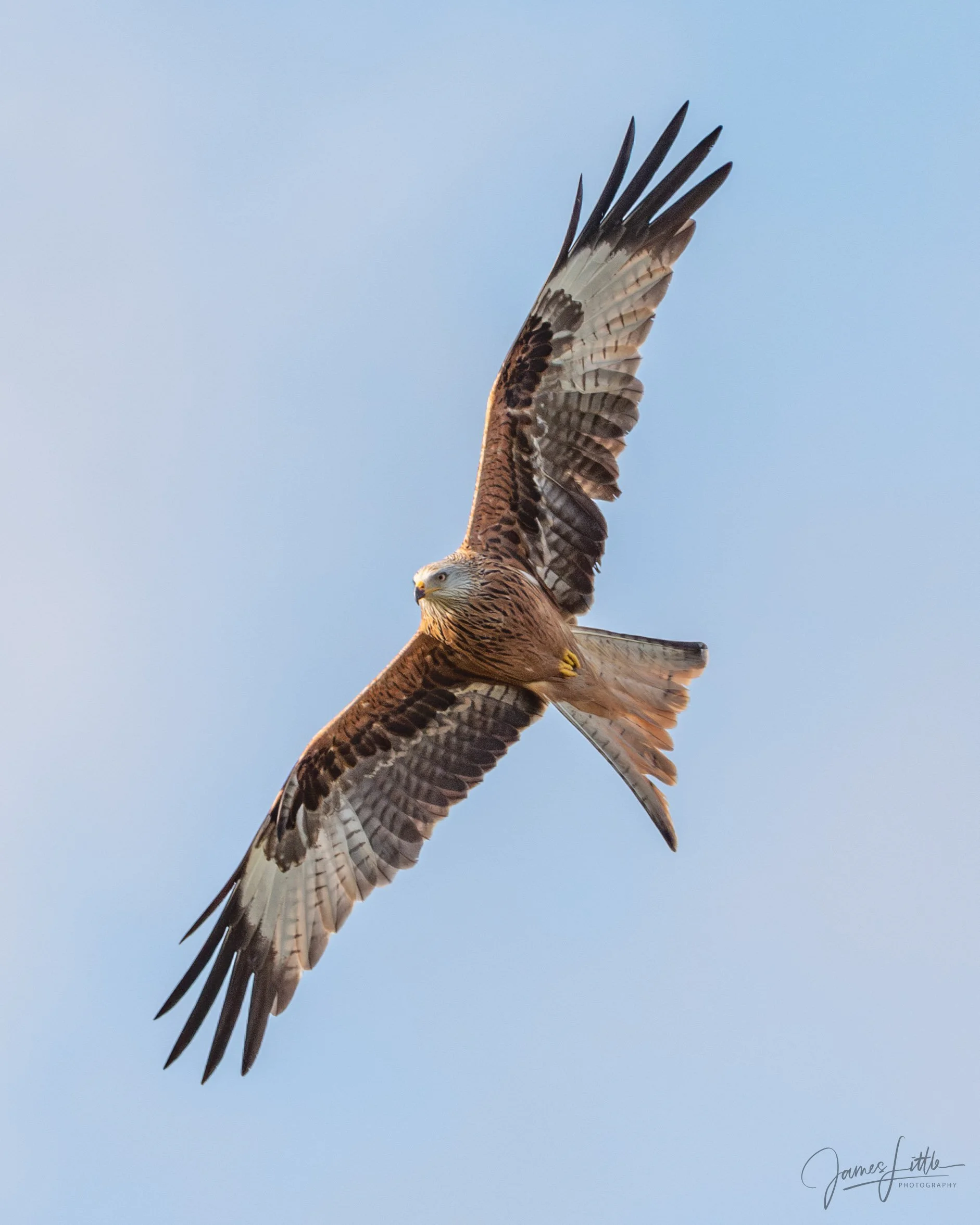
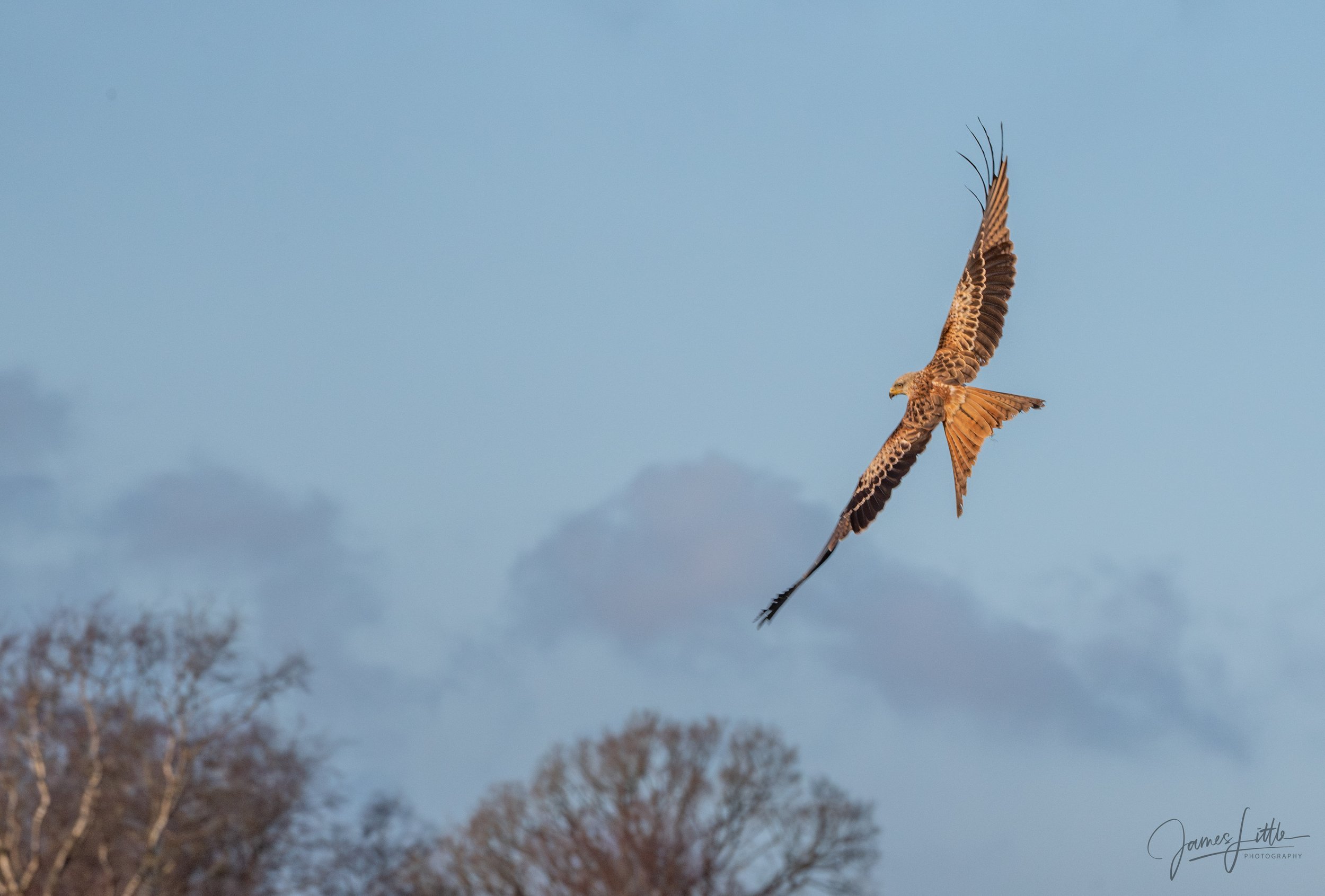
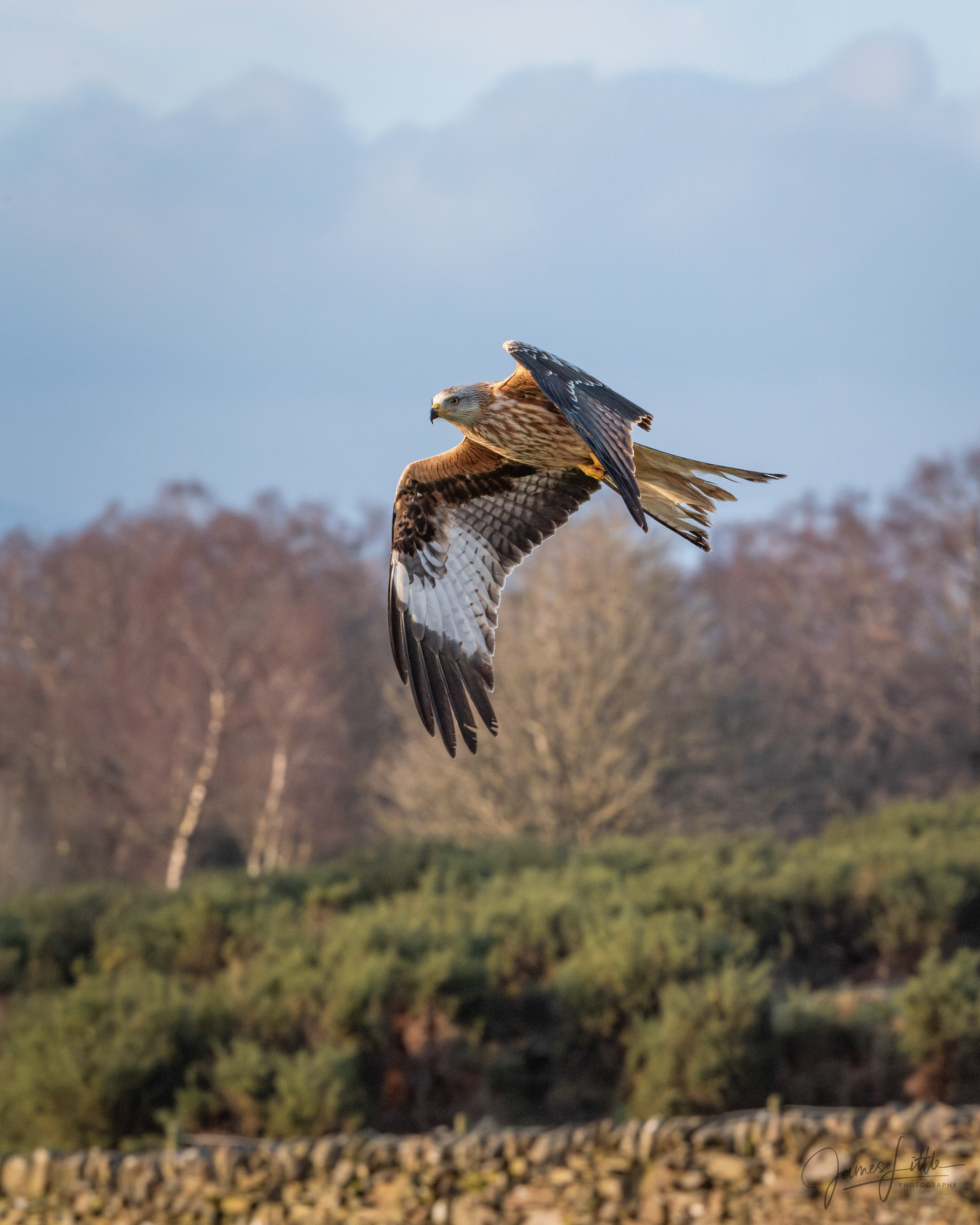
Ballymack Hill Farm is part of the Galloway Kite Trail, a region that has played an important role in the successful reintroduction of red kites to southwest Scotland. Once persecuted to near extinction, these elegant birds of prey have made a remarkable comeback and the feeding station offers visitors the chance to see them up close as they soar over the surrounding hills.
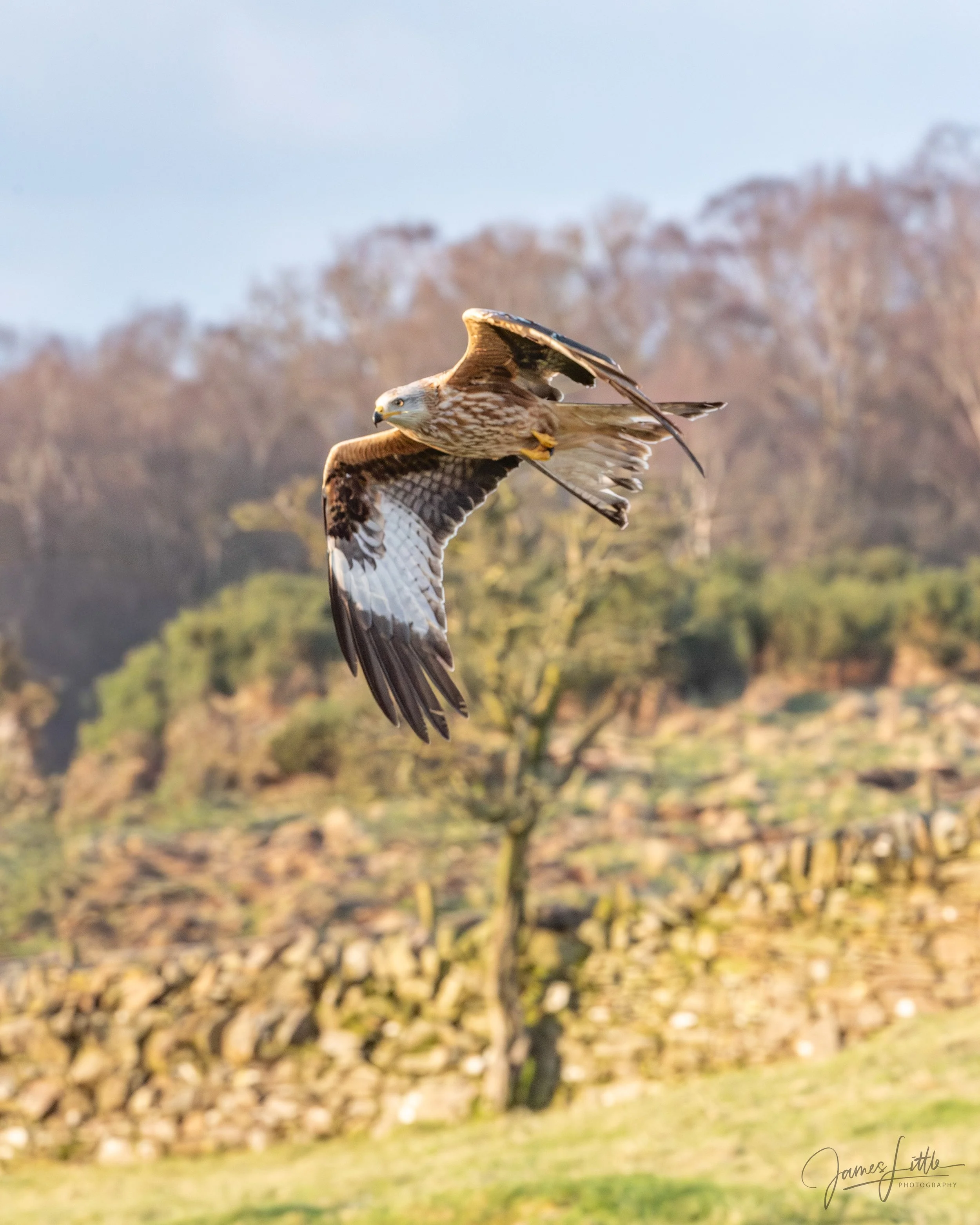
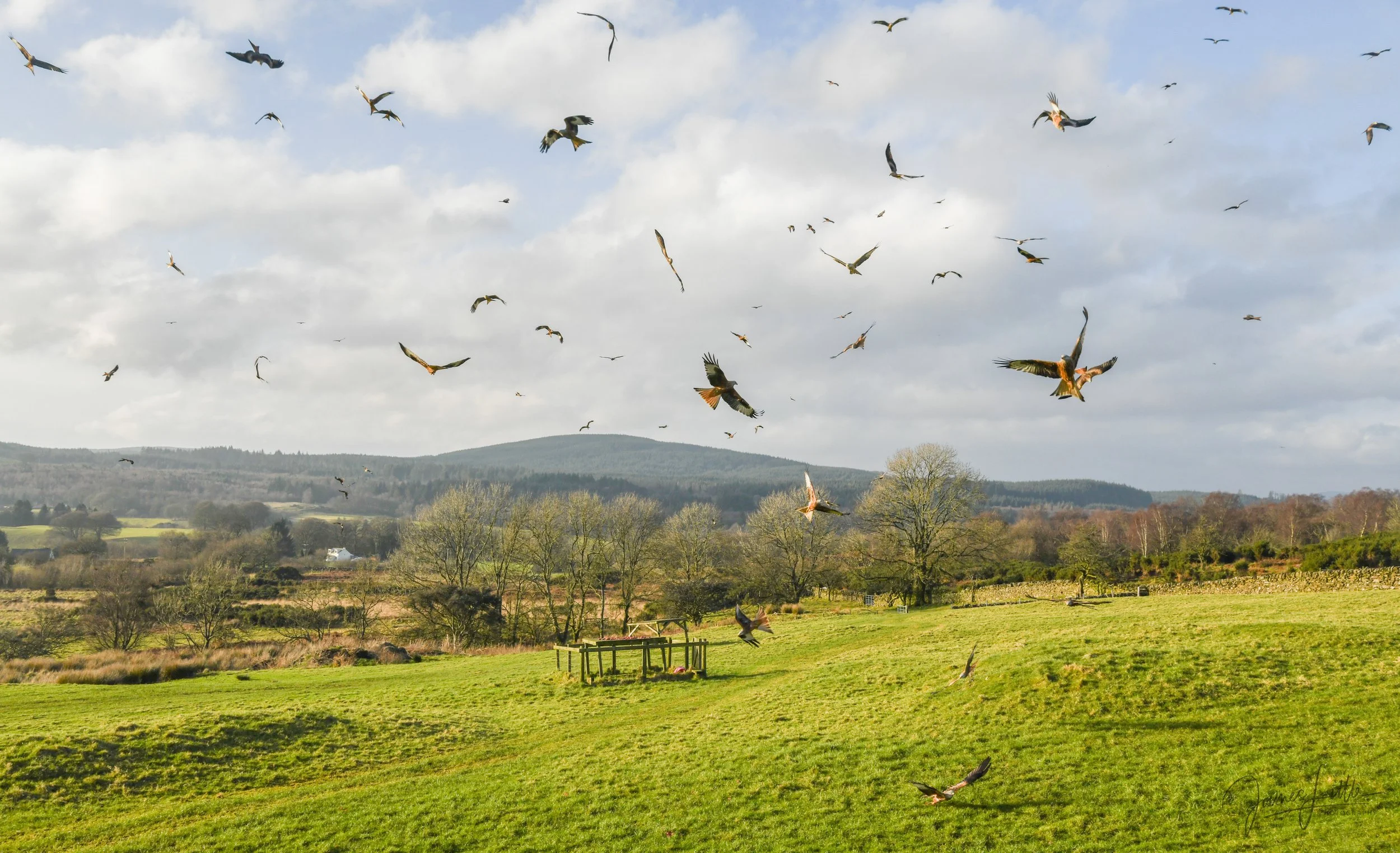
Ballymack Hill Farm red kite feeding station
That said, I’ll admit I was slightly on the fence about visiting. I much prefer photographing wildlife in its natural environment rather than in zoos or managed displays, and although the red kites here are completely wild, they are being fed. That removes the uncertainty of traditional wildlife photography you’re almost guaranteed to see them rather than spending hours searching. While this did take a little edge off the ‘wild’ aspect of the encounter, it’s also fair to say that the birds still behave entirely on their own terms. Their movements, interactions and aerial manoeuvres are anything but staged and there’s still plenty of unpredictability in how they act.
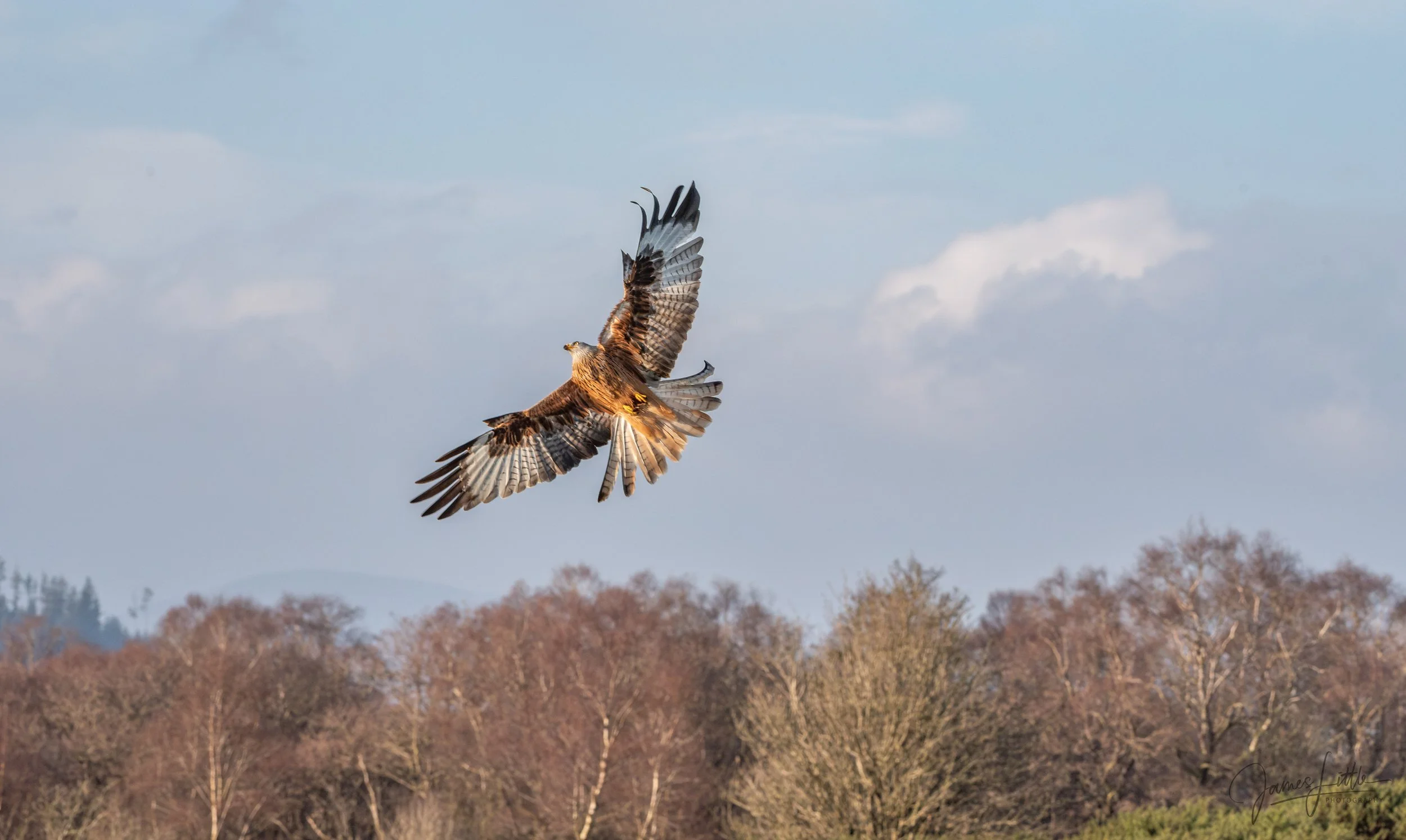
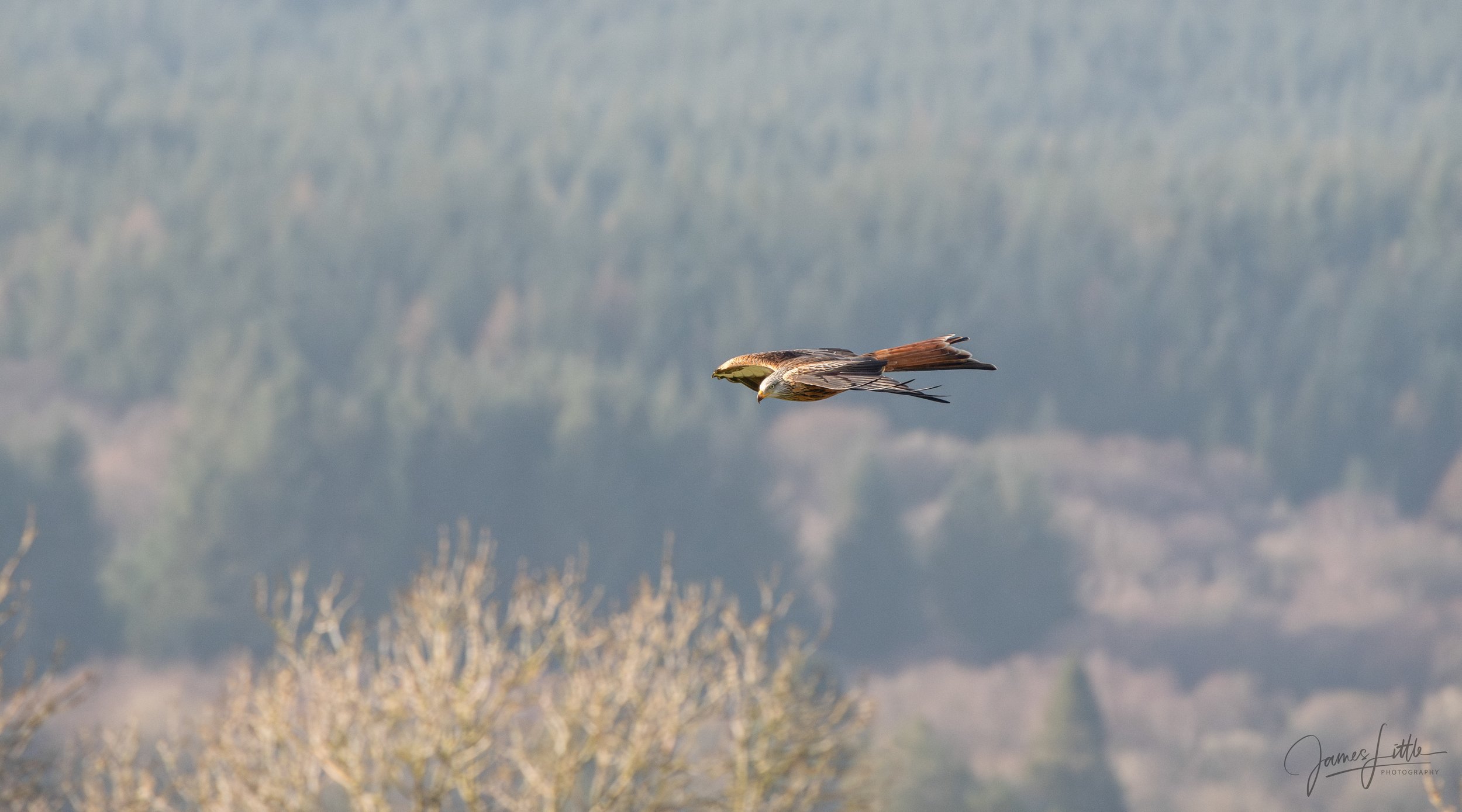
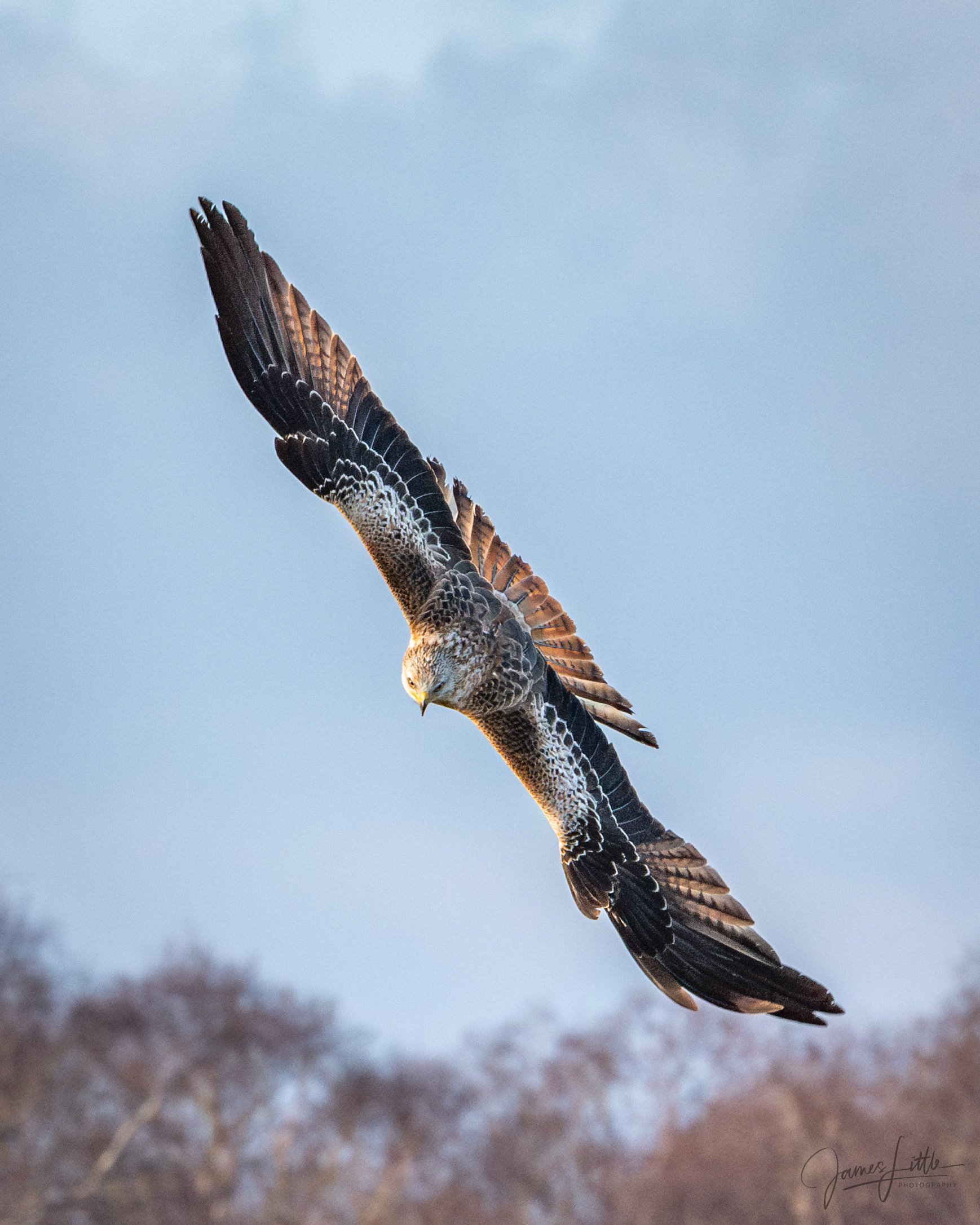
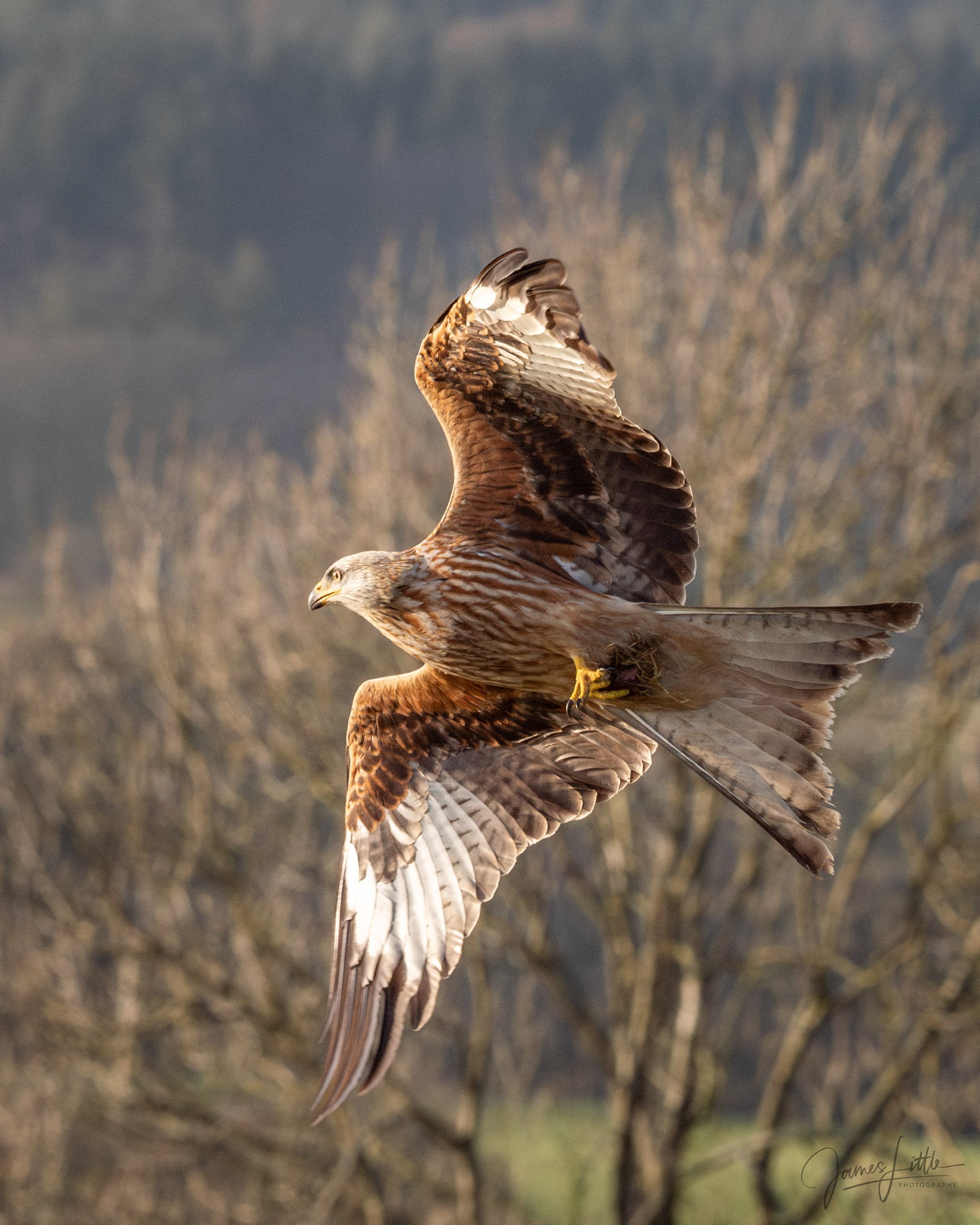
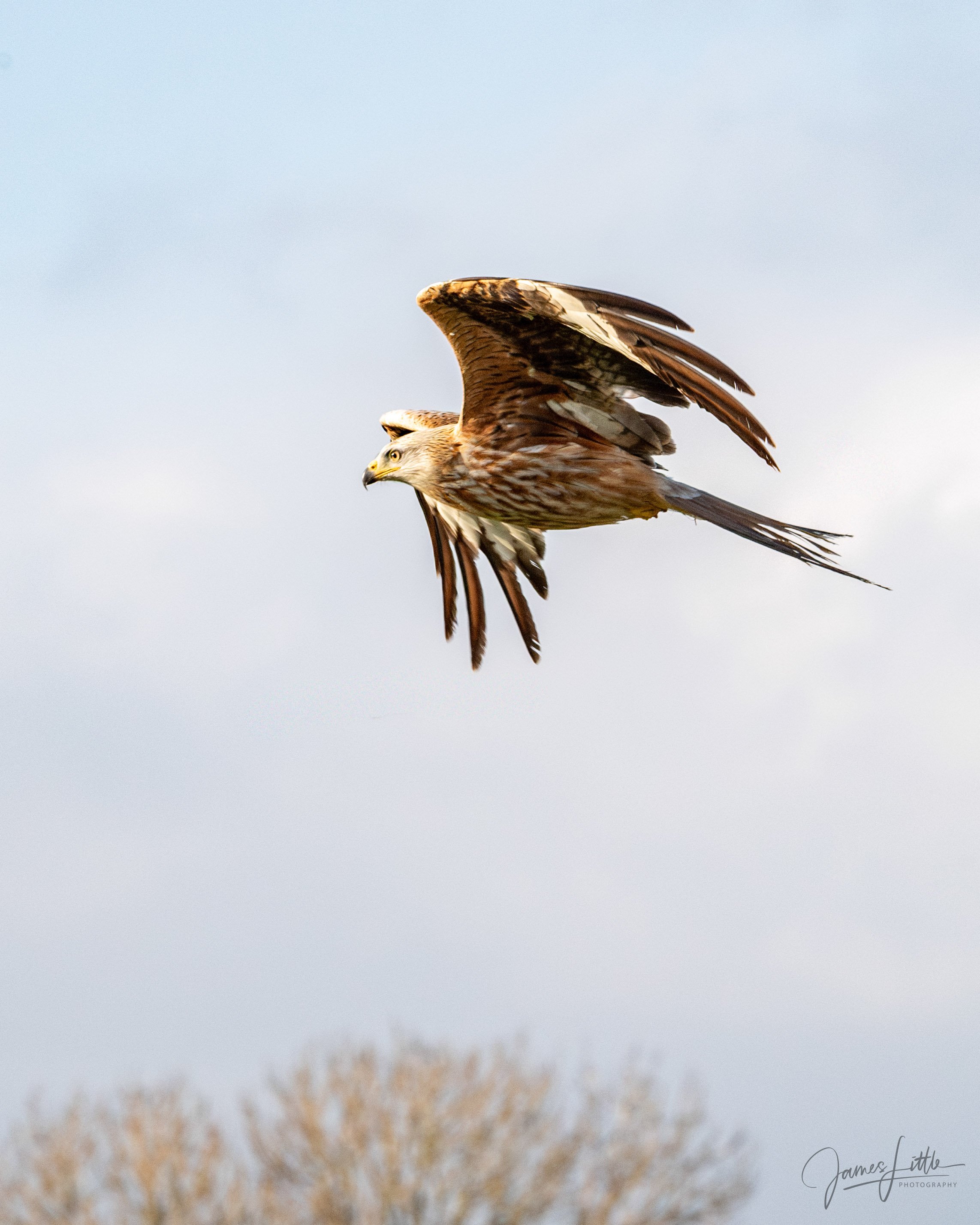
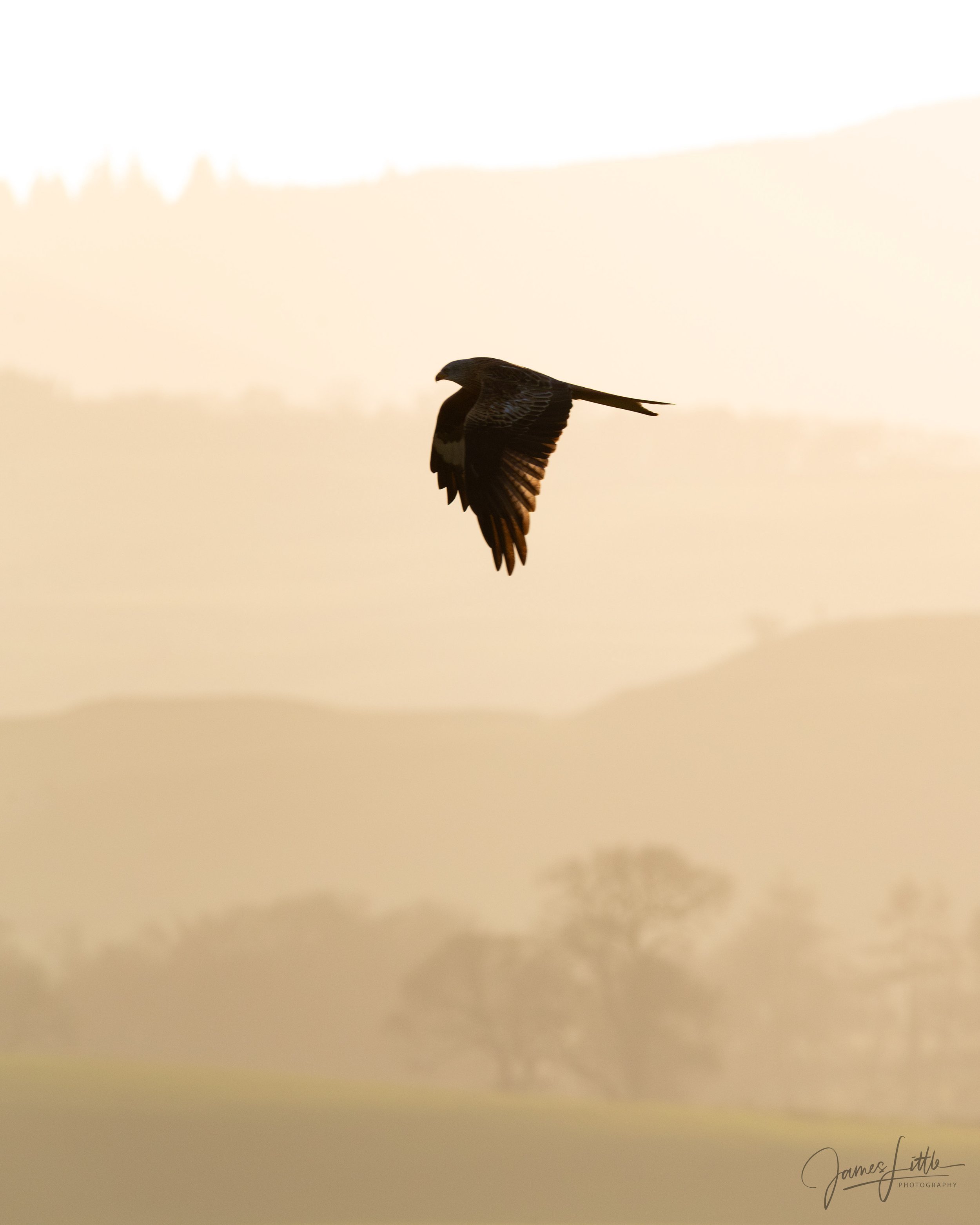
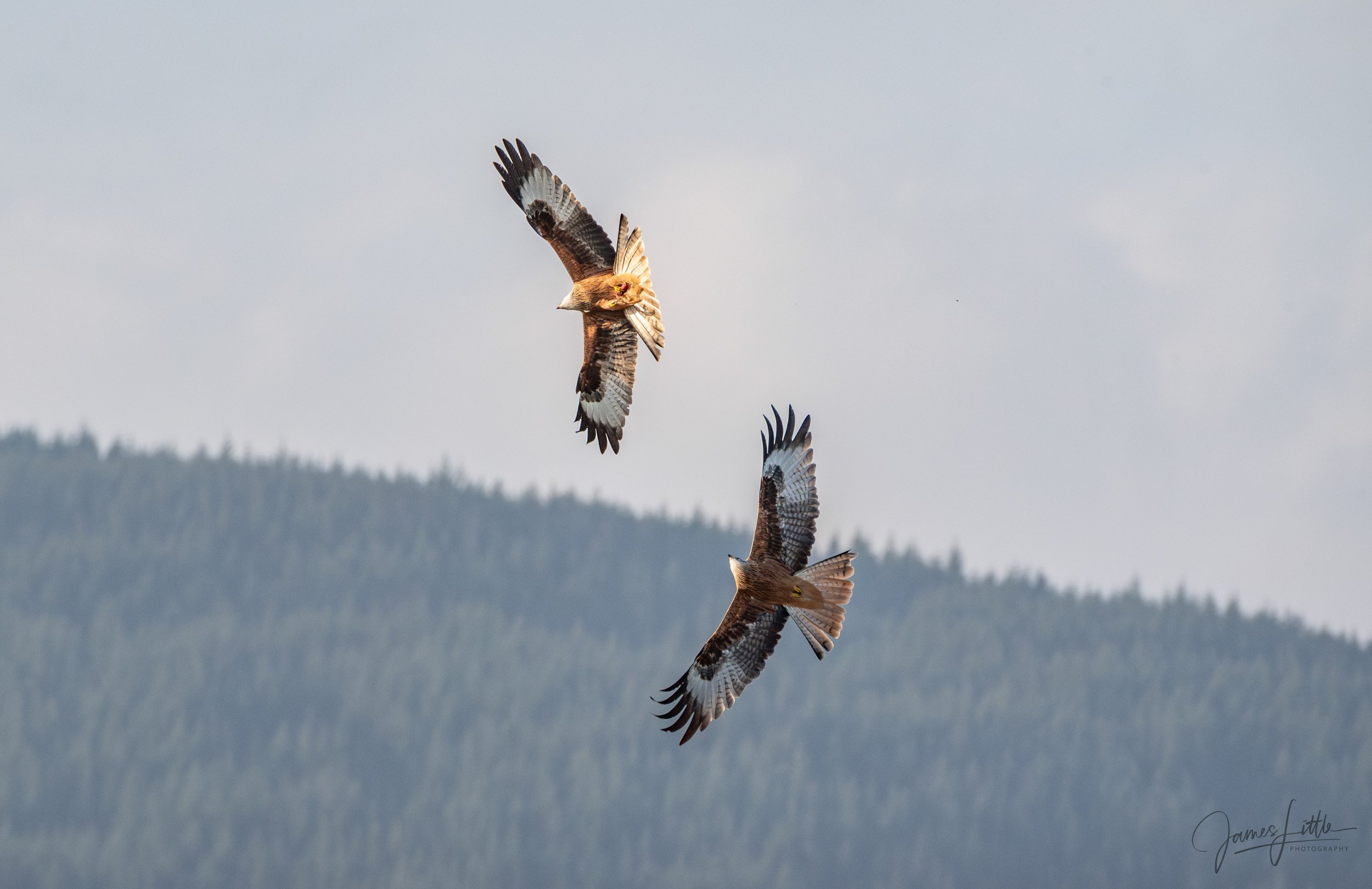
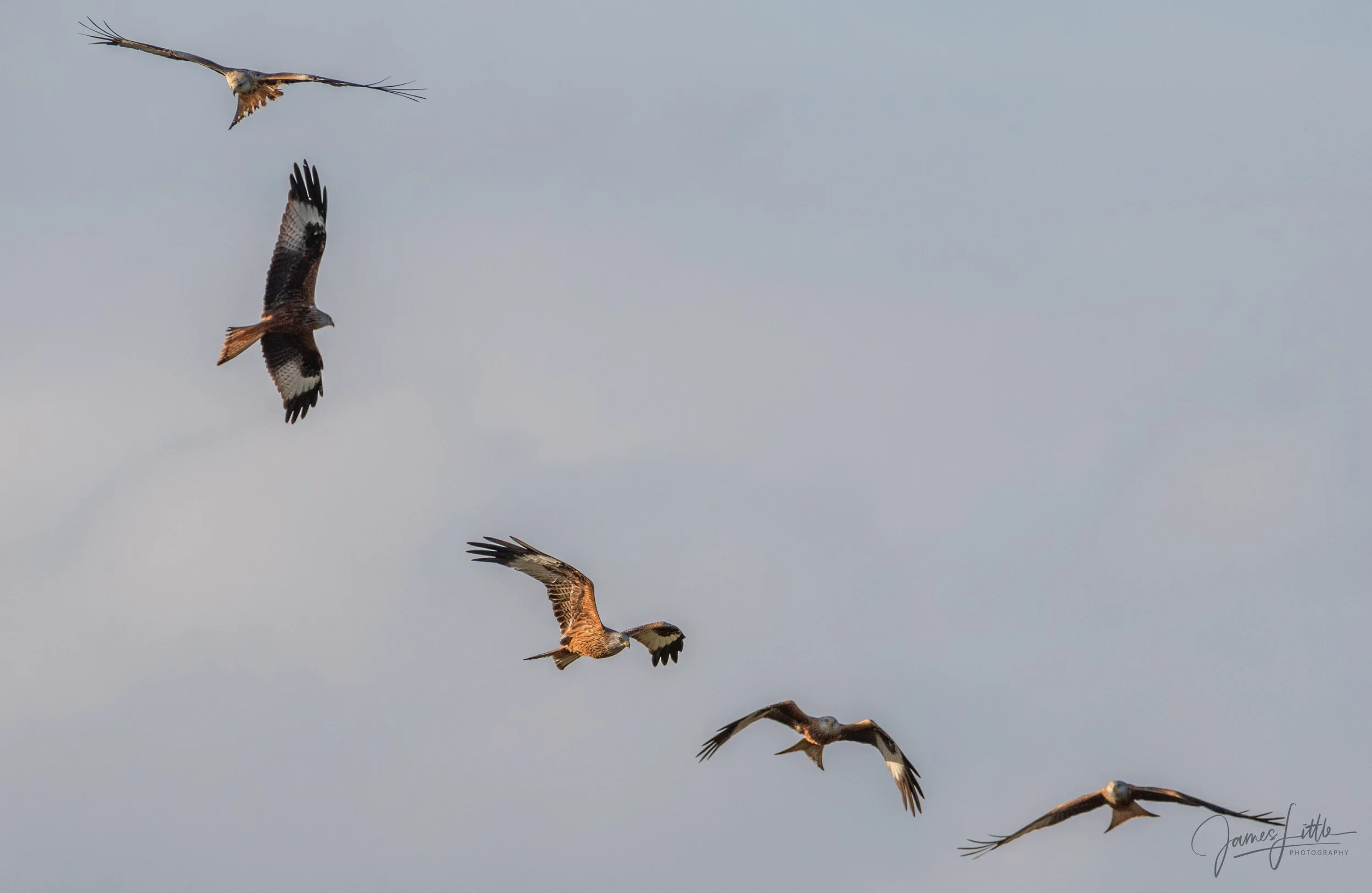
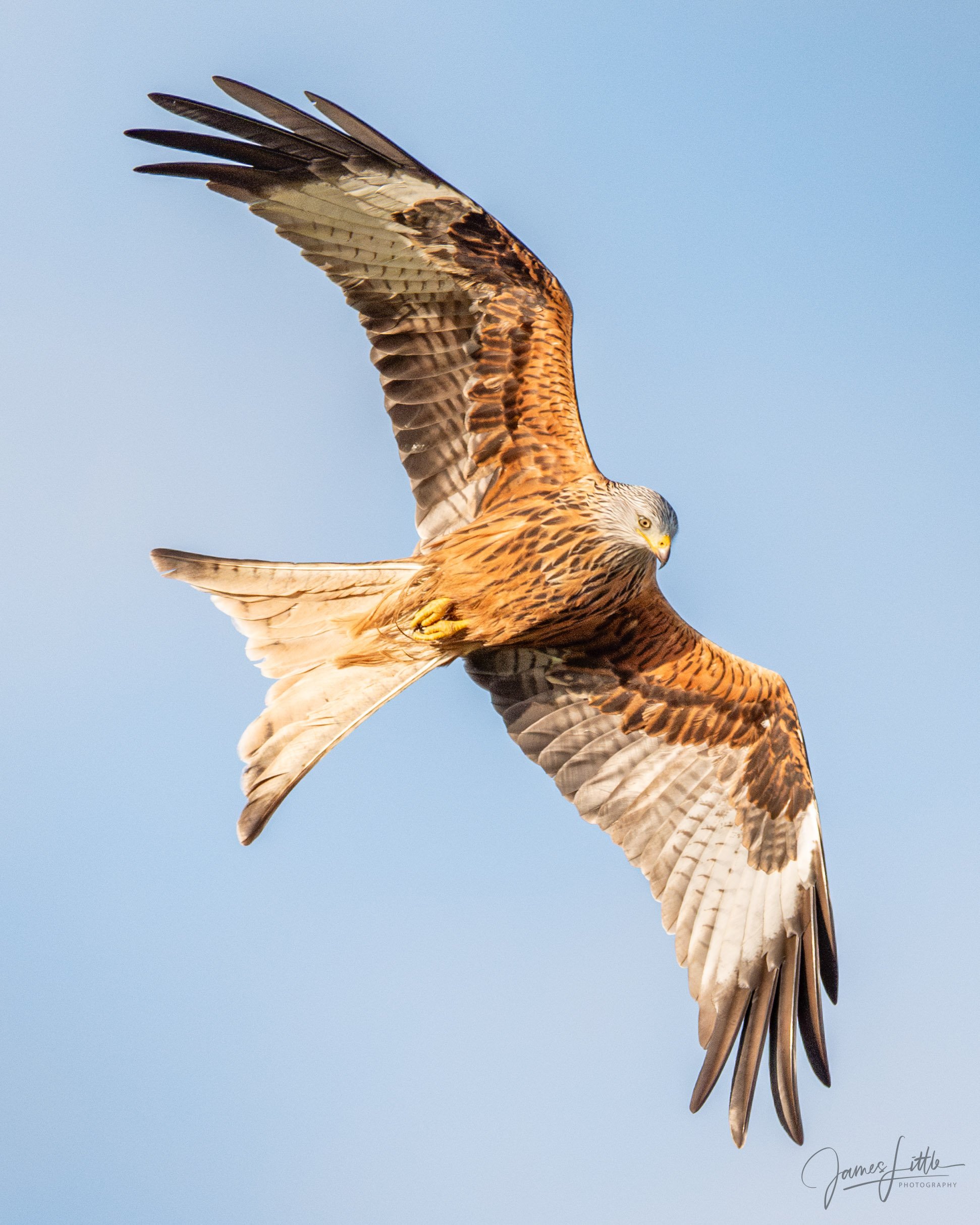
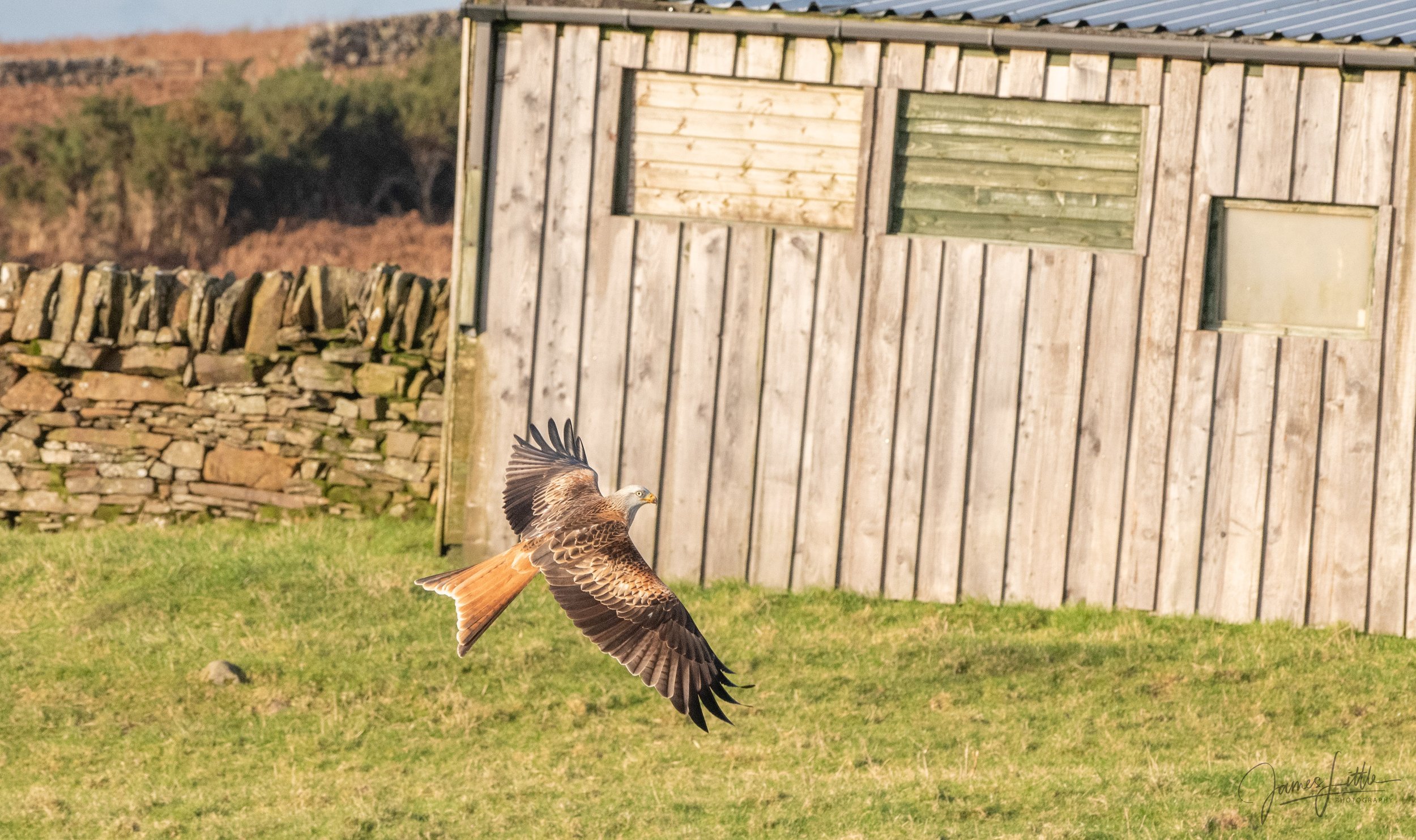
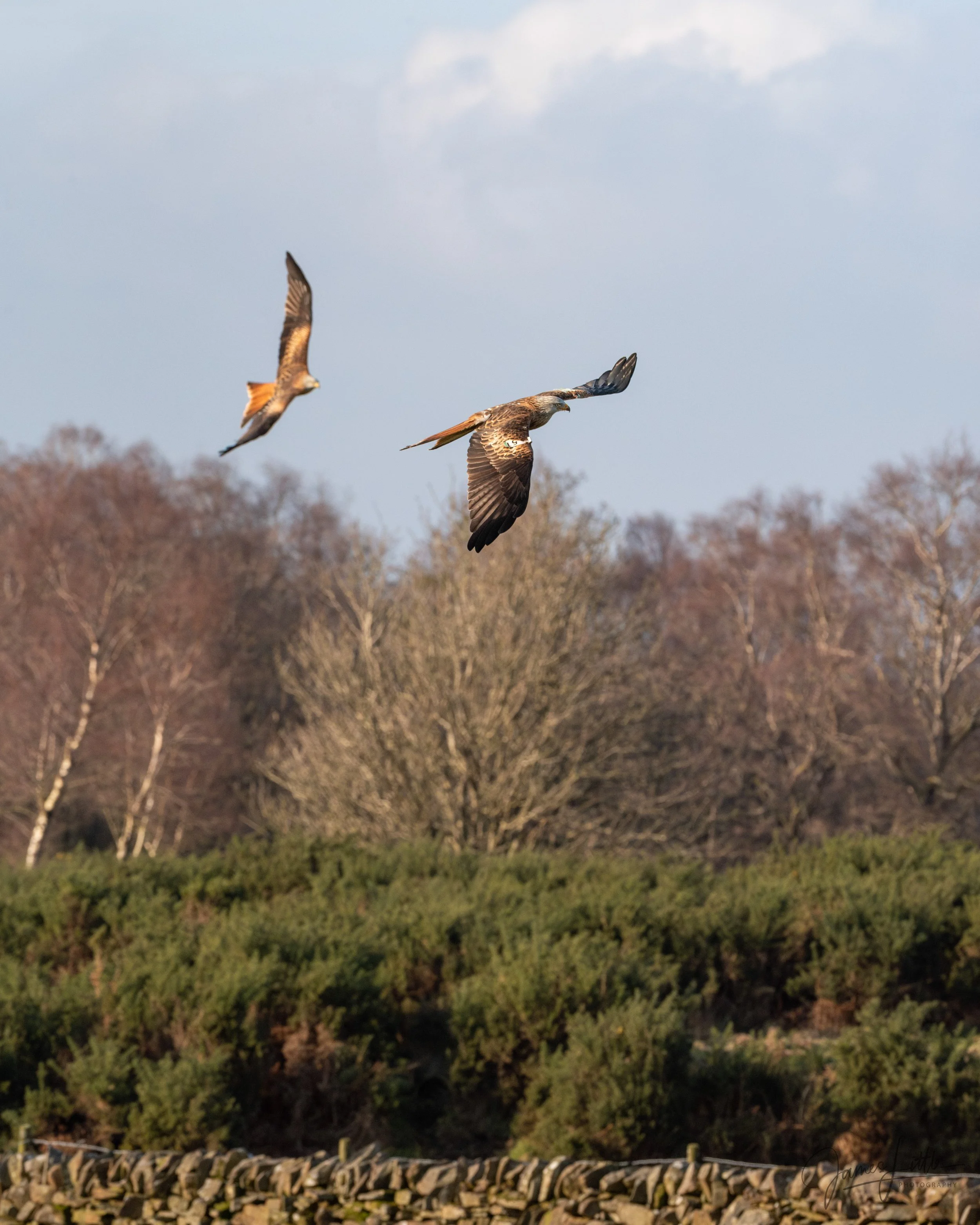
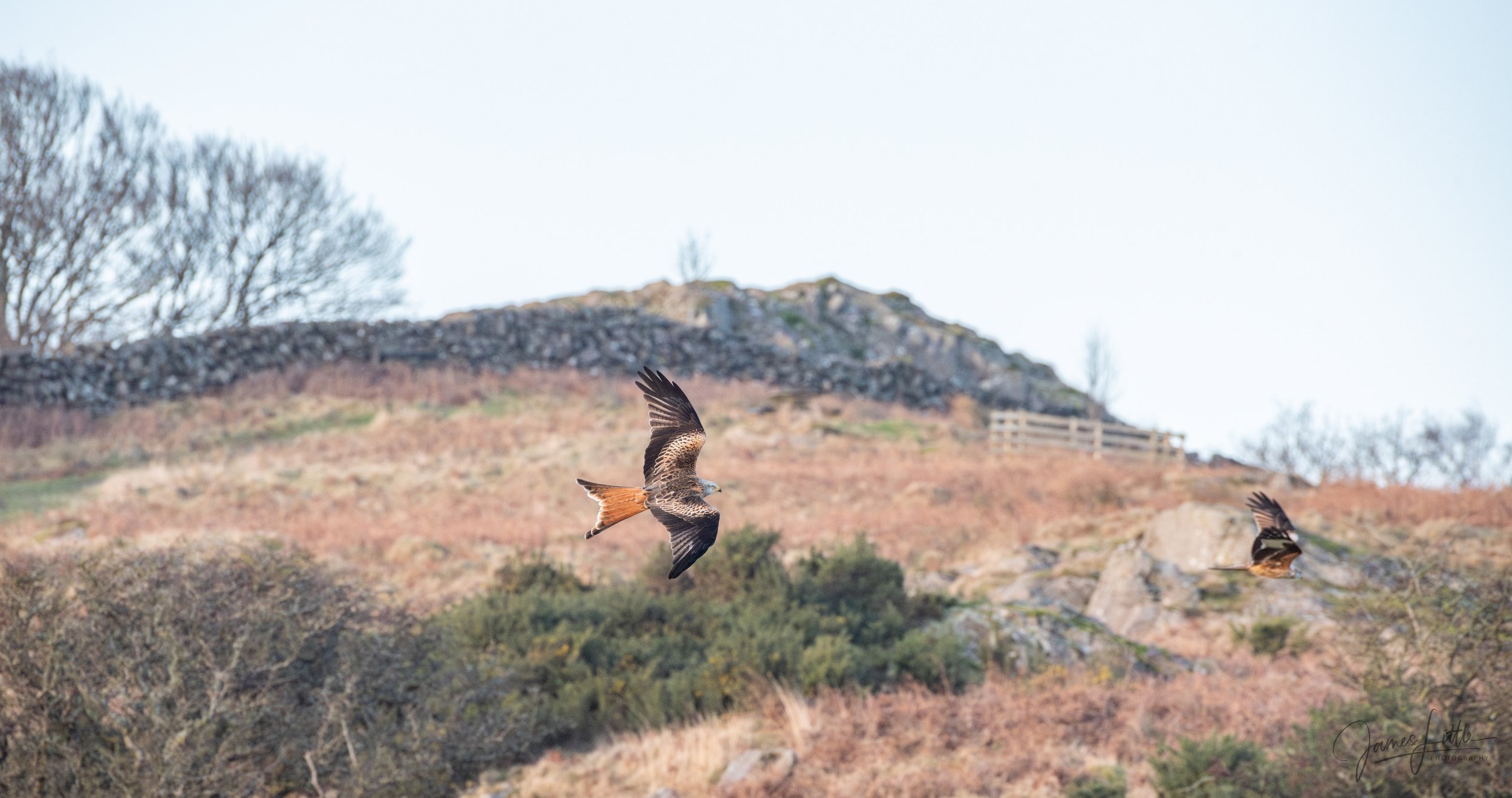
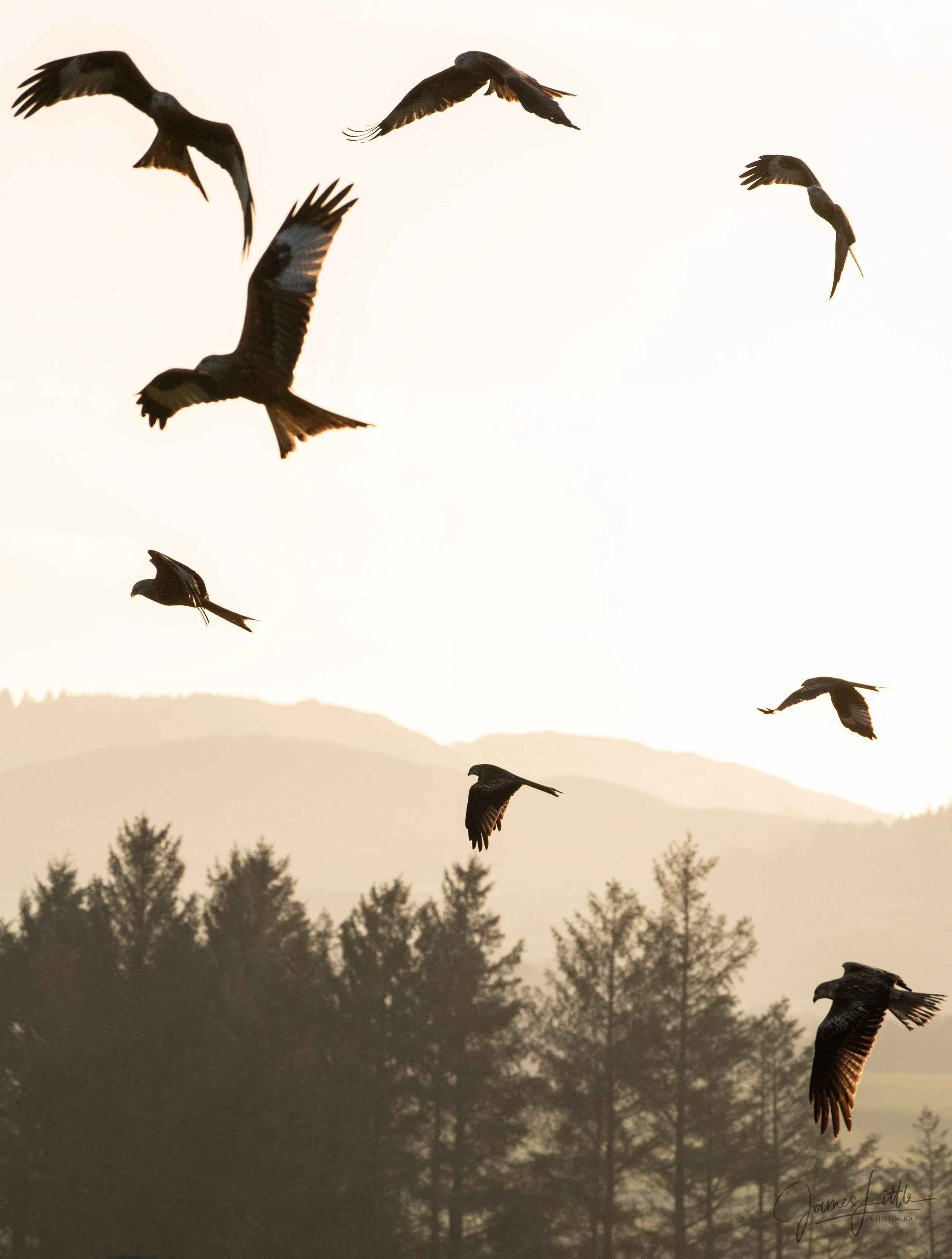
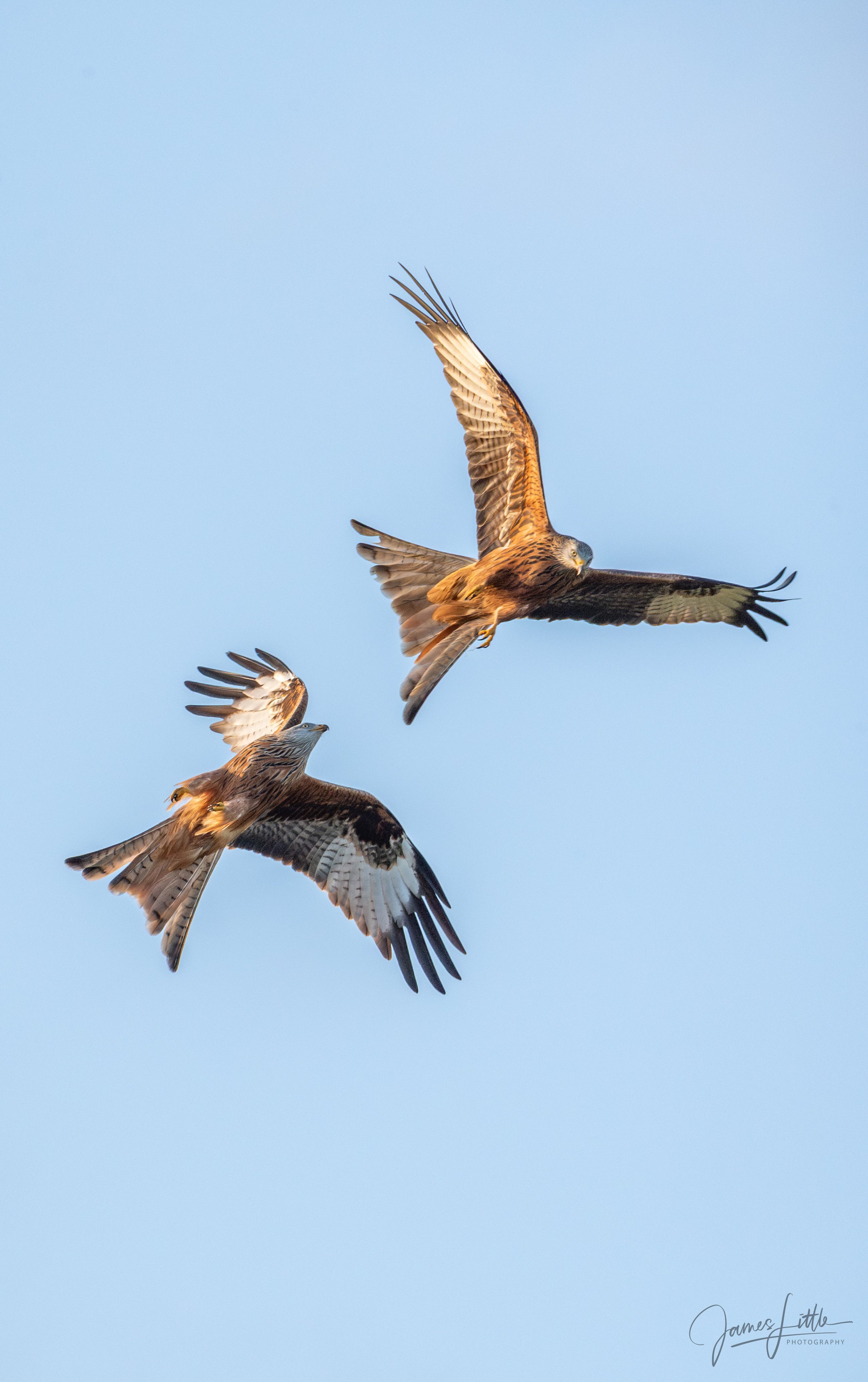
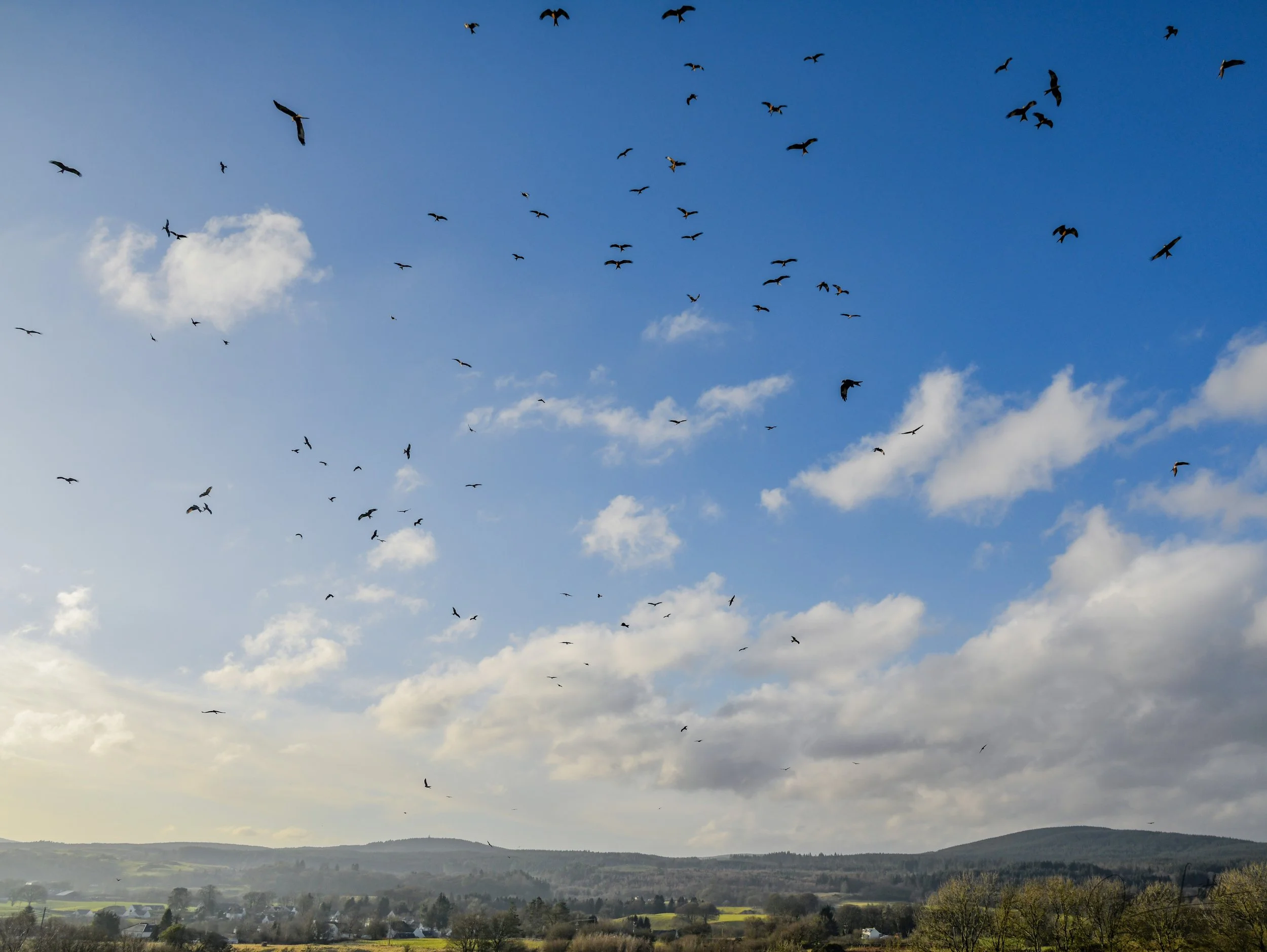
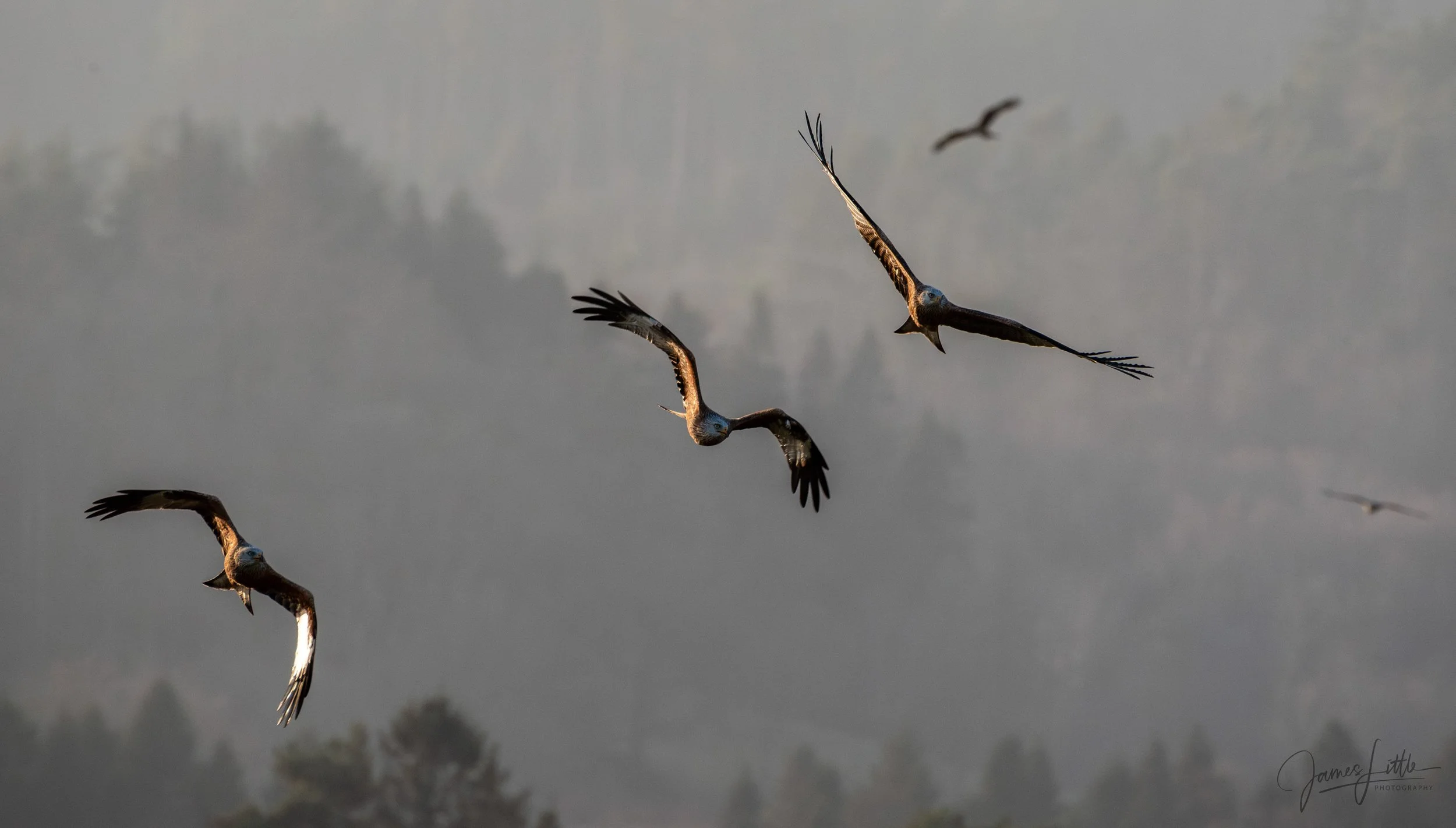
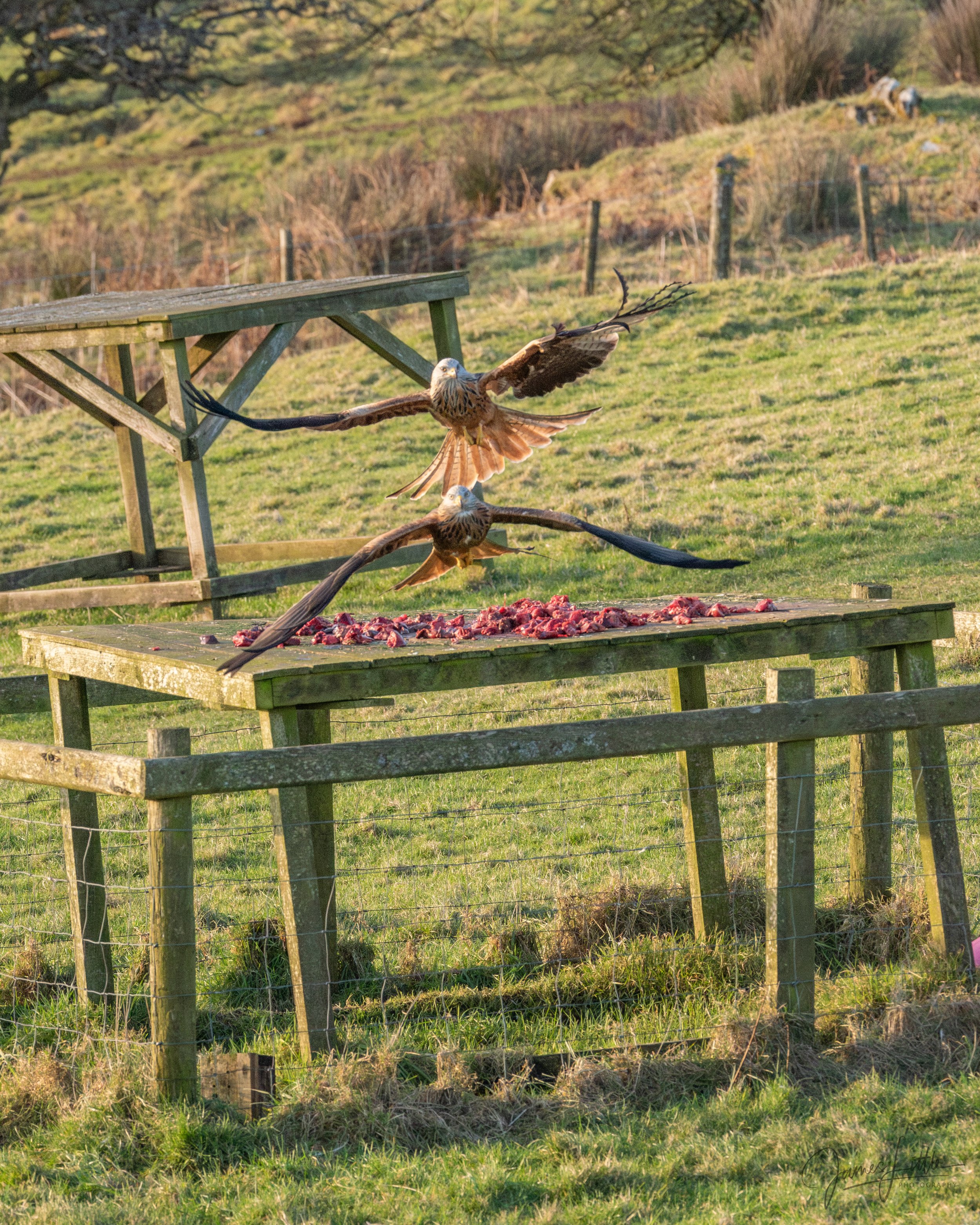
At around 2pm, the farm owner appeared with a bucket of meat, scattering some onto the grass and placing the rest on a raised stand in the middle of the field. Almost instantly, the sky filled with birds. There must have been well over a hundred red kites, swooping, diving and circling gracefully before dropping down to snatch food. The spectacle was incredible, the kind of scene that keeps your finger glued to the shutter.
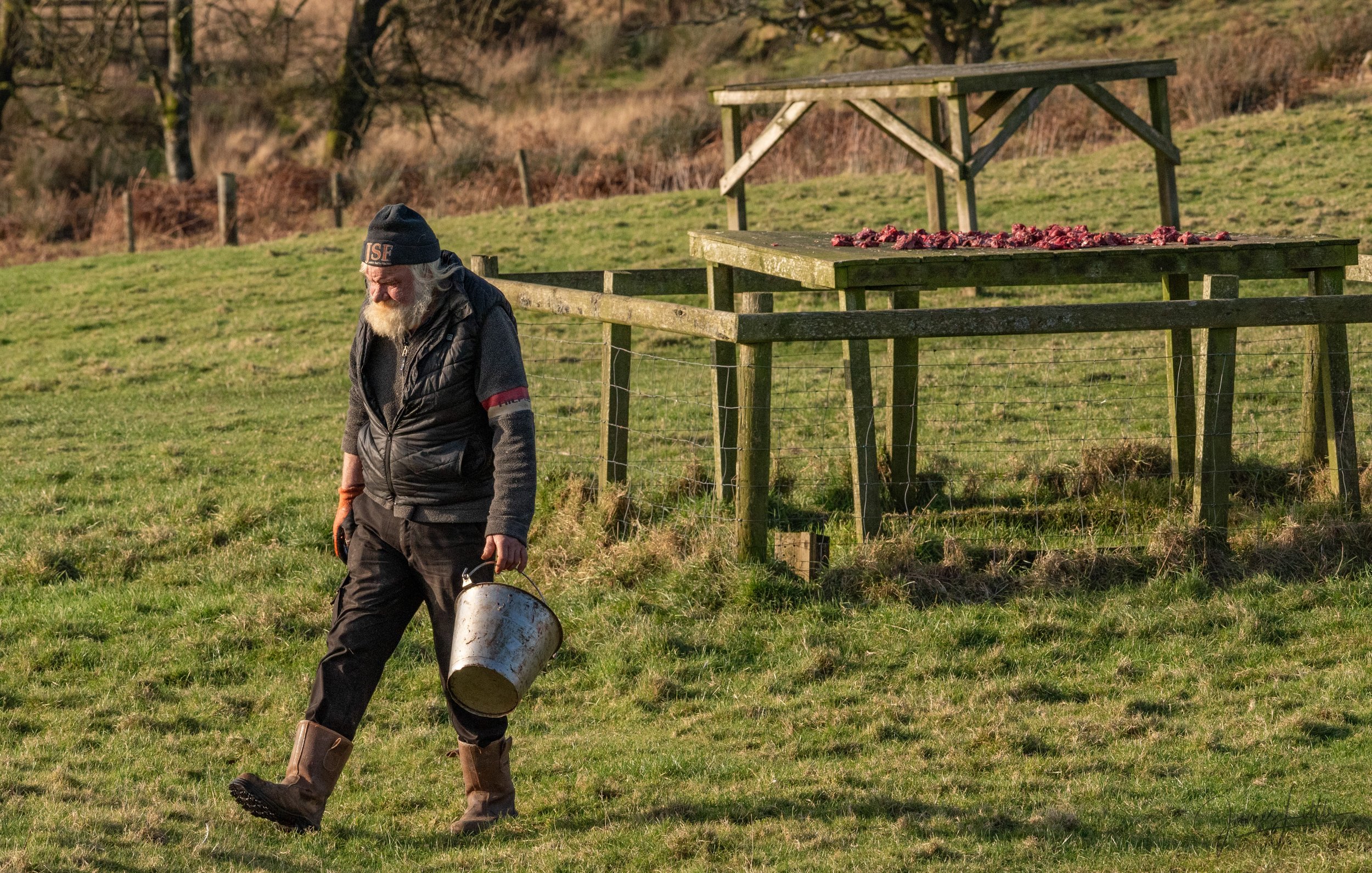
Interestingly, the food on the ground disappeared quickly, while the meat on the stand went untouched for quite some time. It took nearly an hour before a few of the bolder kites finally approached and helped themselves, which only added to the sense that these birds still make their own decisions.
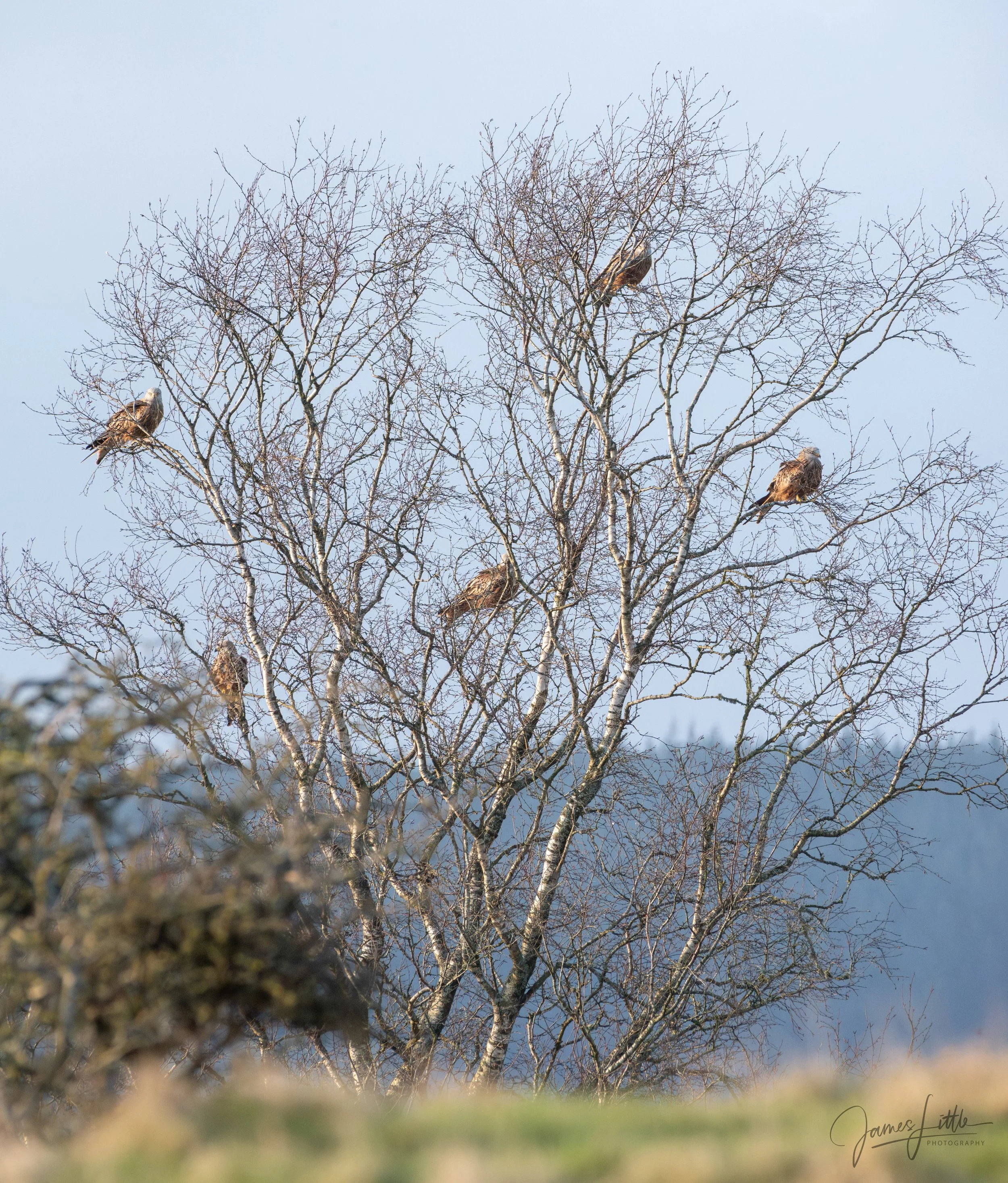
Overall, it was a thoroughly enjoyable visit. While it may not offer the full challenge of tracking down wildlife entirely unaided, you’re still encountering genuinely wild animals in a natural landscape. For photographers, it’s a fantastic opportunity to practice flight shots, improve tracking skills and study behaviour all while witnessing one of Scotland’s great conservation success stories.